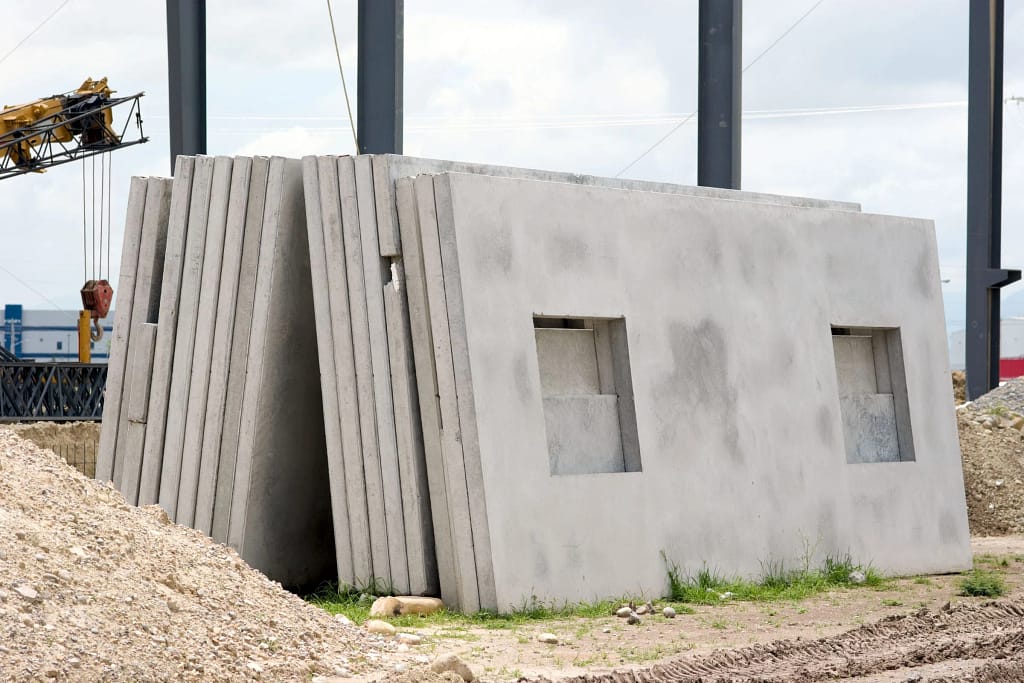
Insulated Precast Wall Panels in Alberta: Hitting the Energy Code Number
NECB 2020 has been in force in Alberta since May 2024. What an insulated precast wall panel must hit, and what the drawings have to state.

NECB 2020 has been in force in Alberta since May 2024. What an insulated precast wall panel must hit, and what the drawings have to state.
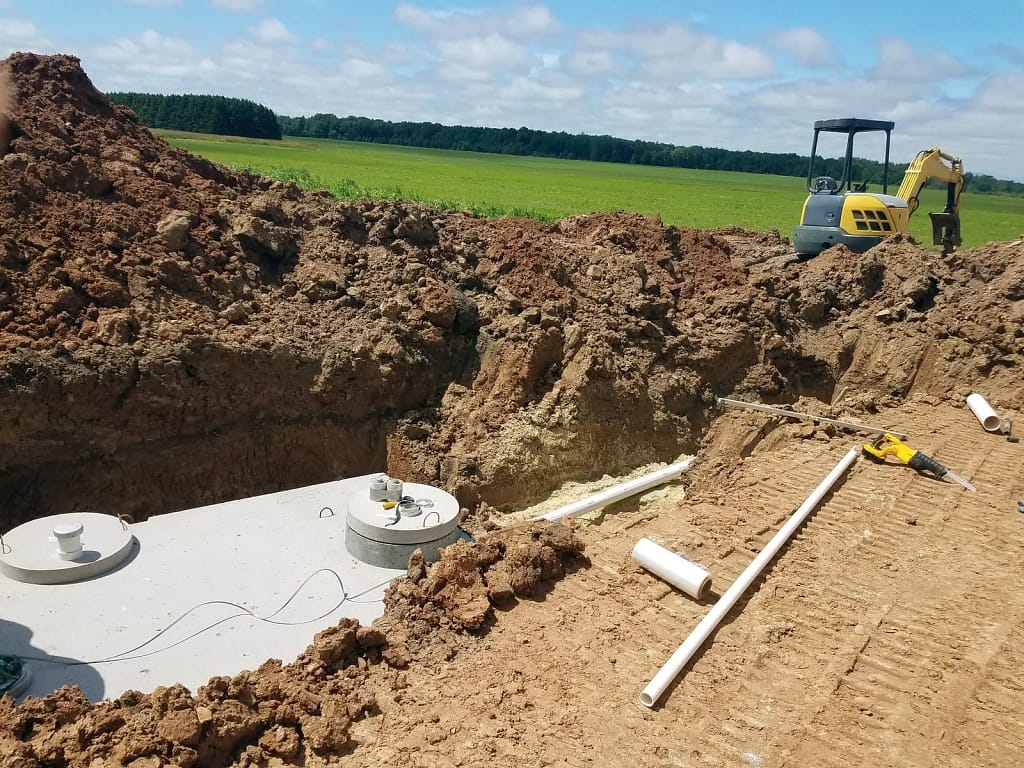
How Alberta’s 2021 private sewage standard sets tank size, where a tank can sit, and the lines a precaster needs on the order.

Precast concrete barrier in Alberta is a TL-3 system. Heights, deflection room, embedment, standard plates and the spec lines to order from.
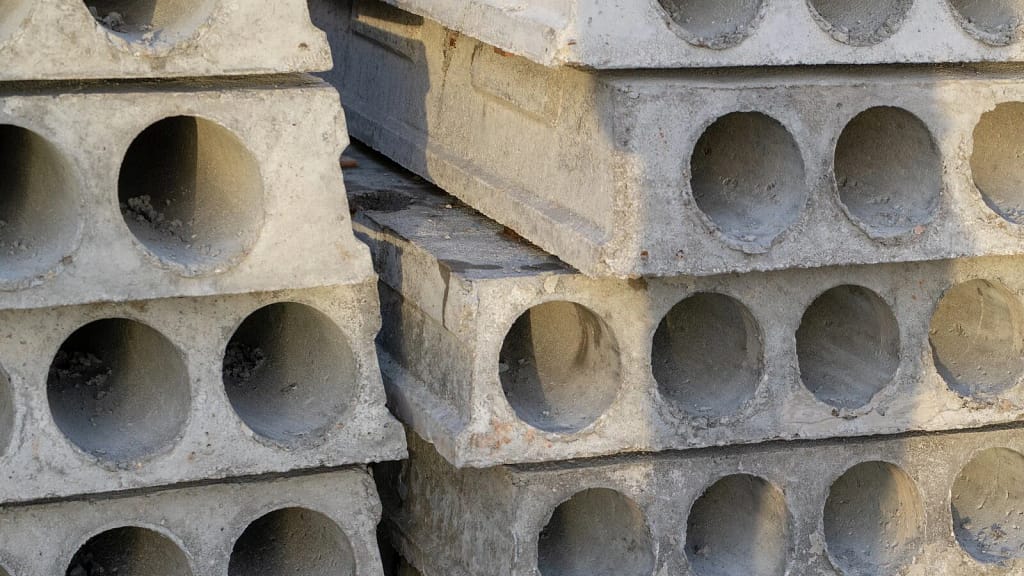
What a hollow core slab drawing must state, what the plant determines, and the six decisions that move price and lead time on an Alberta project.
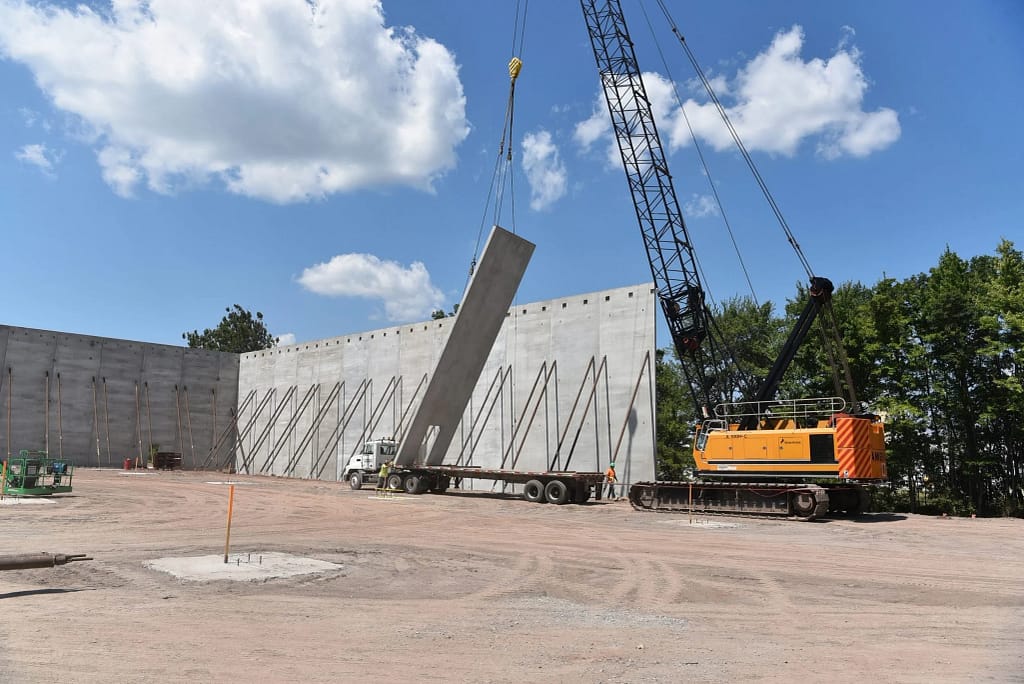
What paperwork closes a precast erection scope in Alberta: the record set, who issues each document, and why a plant certificate does not cover the crew.

Alberta treats installing a sewage tank as a permitted undertaking, not equipment replacement. Permit holders, clearances, sizing and timing, in one page.
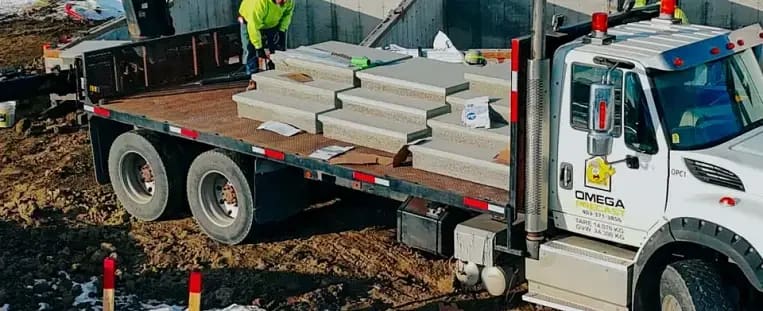
Alberta legal load width is 2.6 metres. Past that, precast moves on an overdimensional permit. The thresholds, the escort rules and the 24-foot ceiling.
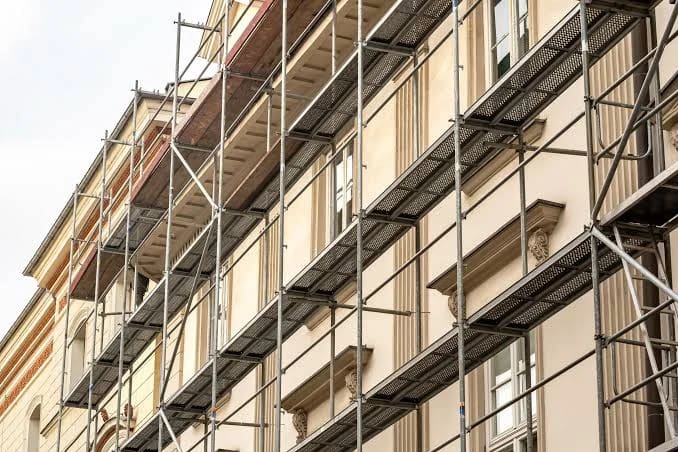
Canada’s code sets no prescriptive tie force for precast. Here is what it does require, where the tie numbers come from, and what belongs on the drawings.
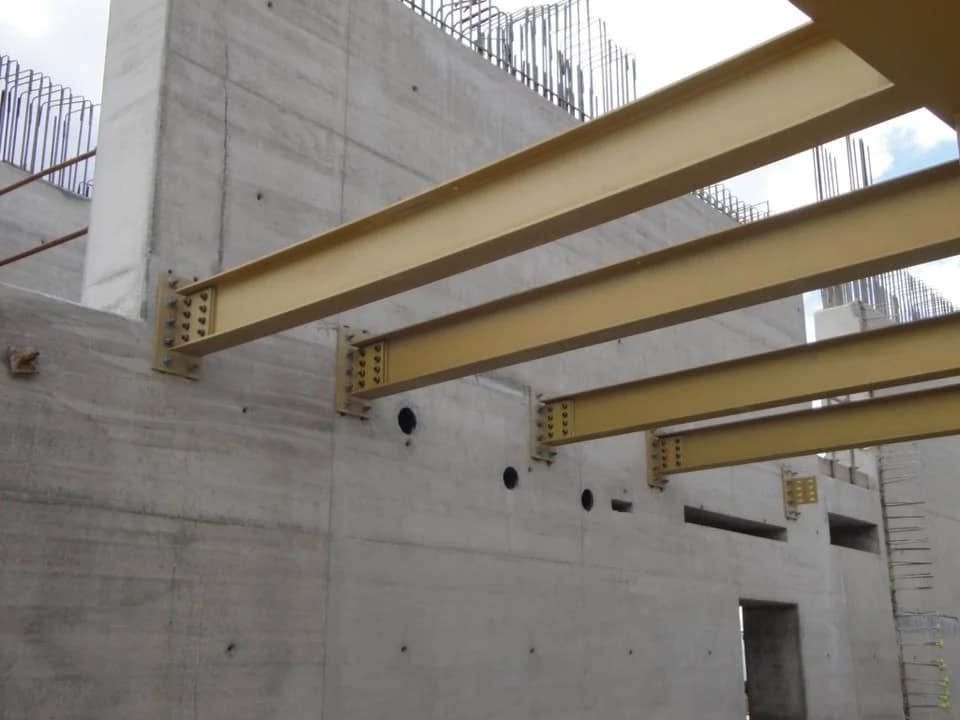
Alberta’s code lists no precast SFRS. A precast lateral system is declared ductile, moderately ductile or conventional, and that choice sets height.
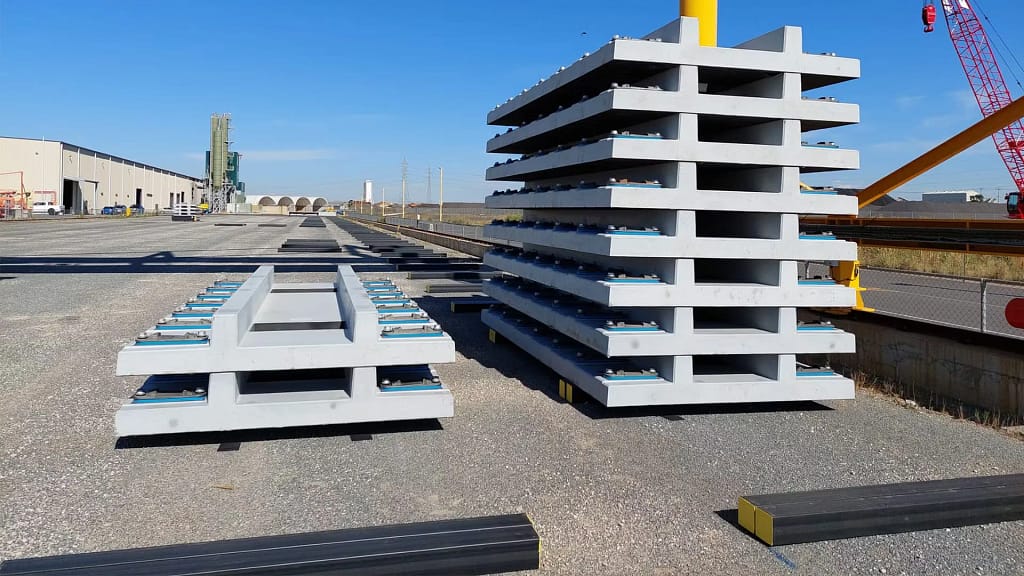
Where precast sits before erection, on what, and how high. Dunnage placement, stacking limits, ground bearing and Alberta’s rule on stored material.