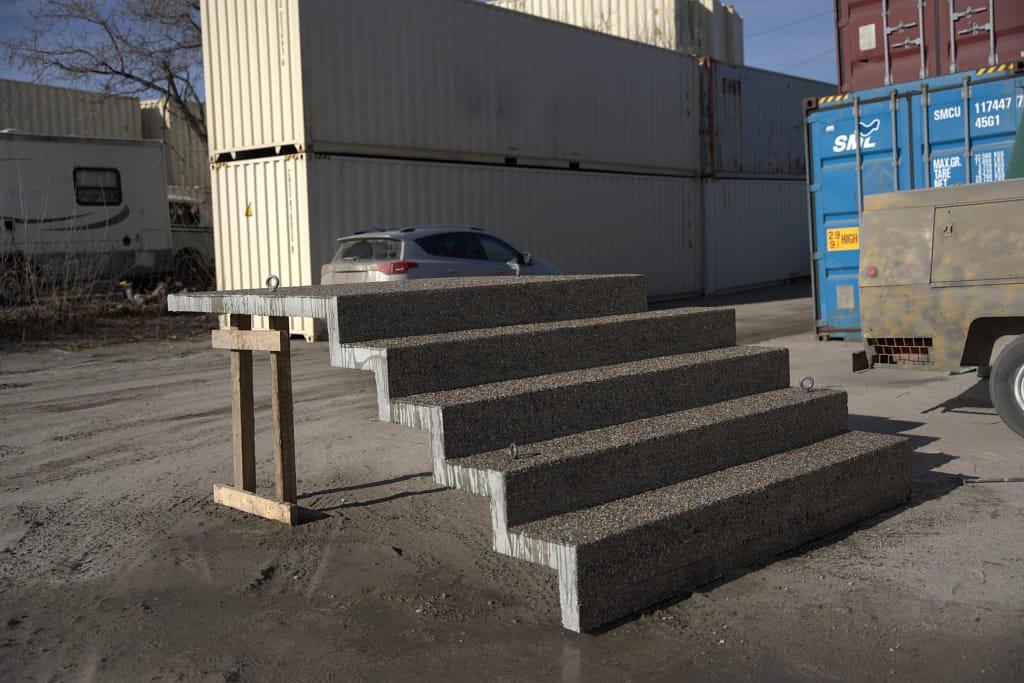
Calgary egress window-well code (2026): the legal-suite checklist
To be a legal egress window for a Calgary bedroom or basement suite in 2026, the opening must give at […]

To be a legal egress window for a Calgary bedroom or basement suite in 2026, the opening must give at […]
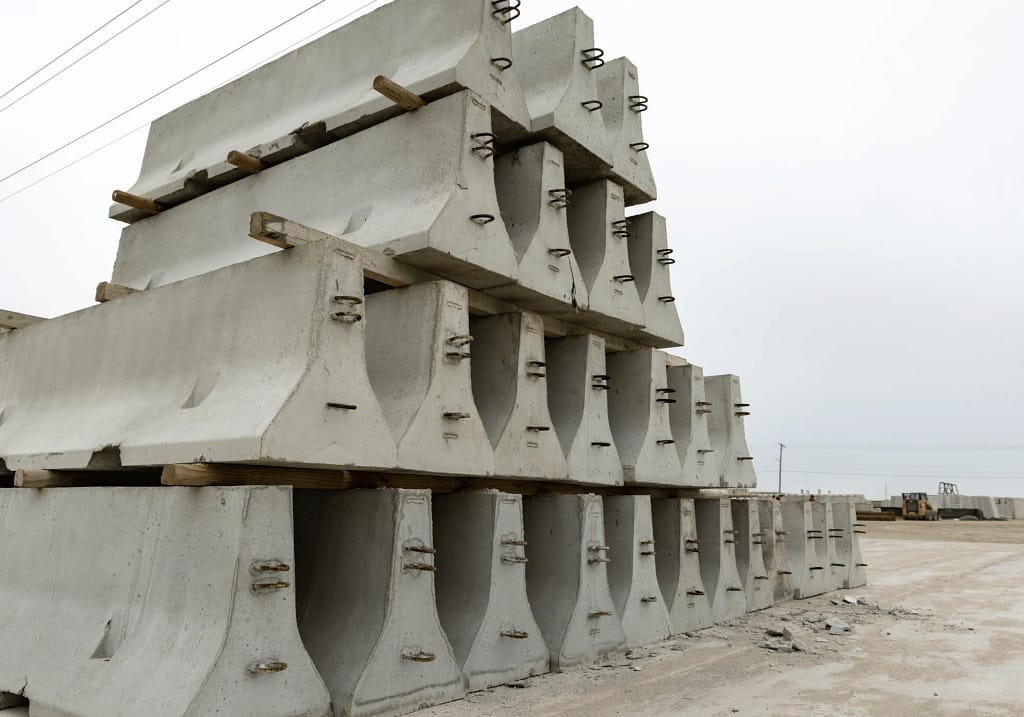
Precast concrete in Calgary is helping builders and developers reduce construction timelines, control costs, and build year-round despite harsh weather conditions. This guide explains what precast concrete is, how it compares to cast-in-place methods, and why it’s increasingly used in residential, commercial, and infrastructure projects across Alberta.
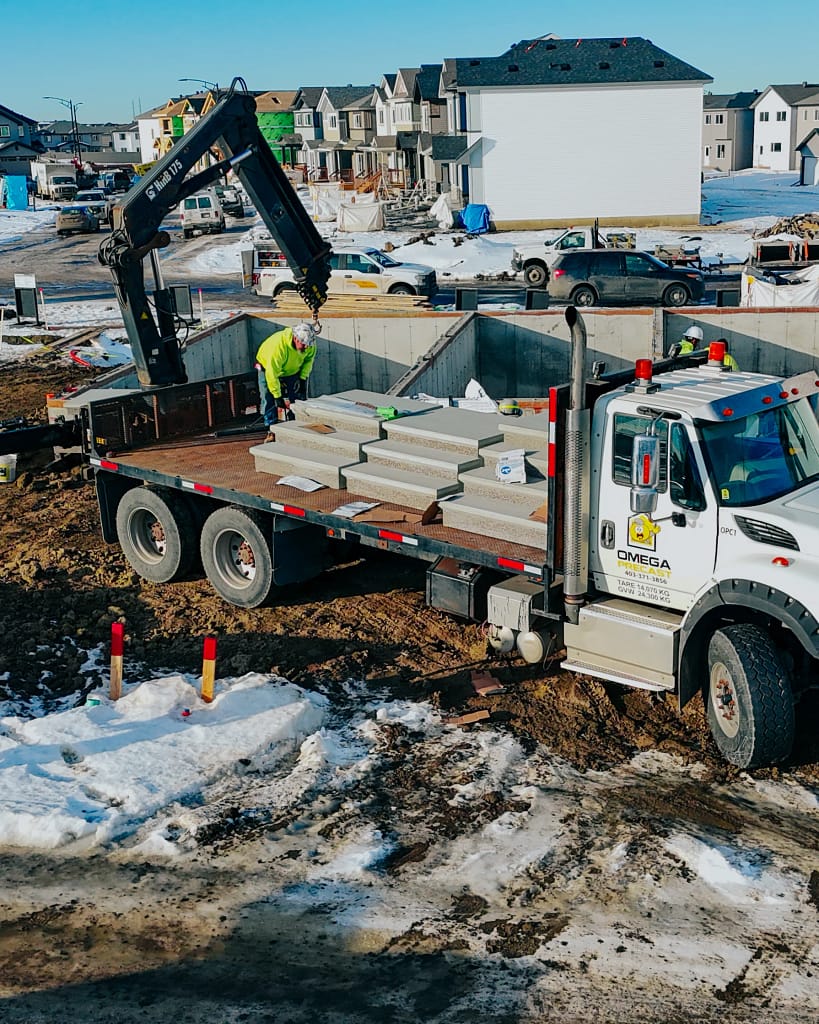
Choosing the right precast concrete supplier in Calgary plays a critical role in project timelines, structural quality, and overall cost control. This guide outlines the key factors contractors, developers, and engineers should evaluate to ensure reliable precast manufacturing, delivery, and installation across commercial and industrial projects.
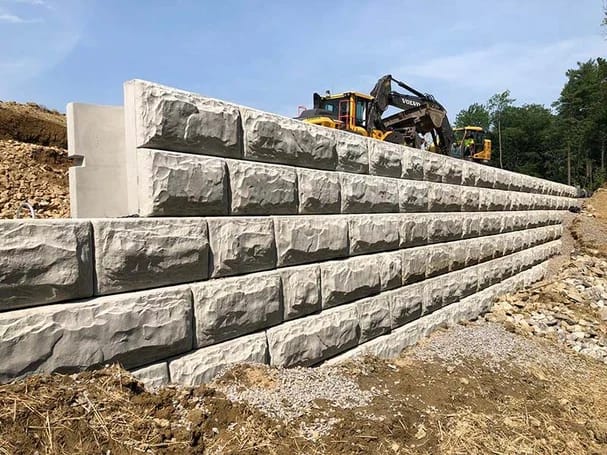
Quick Answer Precast concrete is made by casting and curing concrete elements in a factory, then delivering them to site
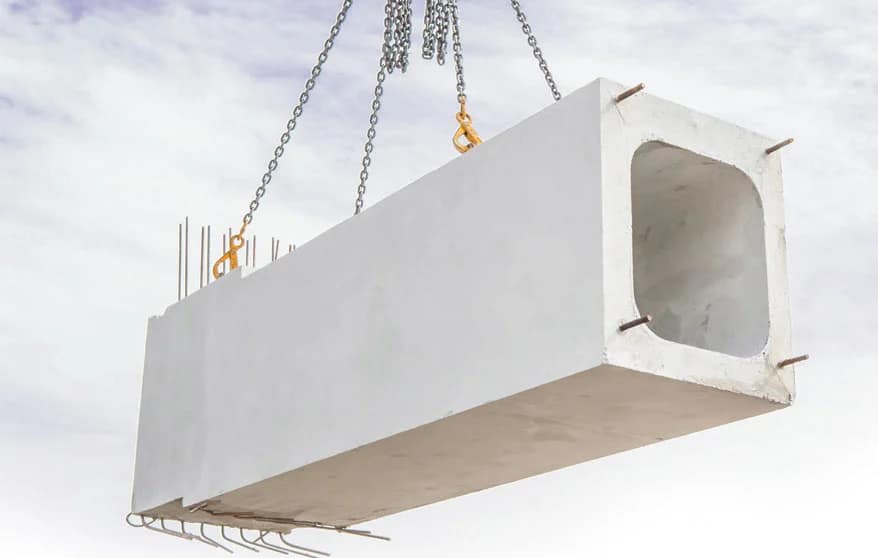
Quick Answer This glossary explains common precast concrete terms — like hollow-core, double-tee, embed, blockout, camber, lifting insert, and shop
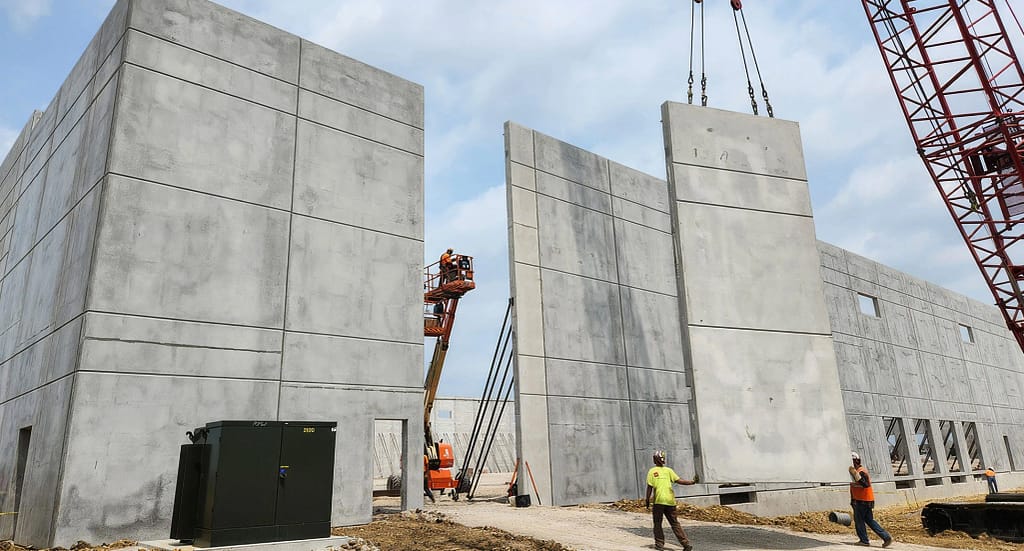
Quick Answer Common precast concrete products for Alberta projects include wall panels, foundations, stairs, septic tanks, window wells, beams, columns,
Quick Answer Precast concrete wall panels come in several types — solid structural, insulated sandwich, architectural, and cladding panels. Each
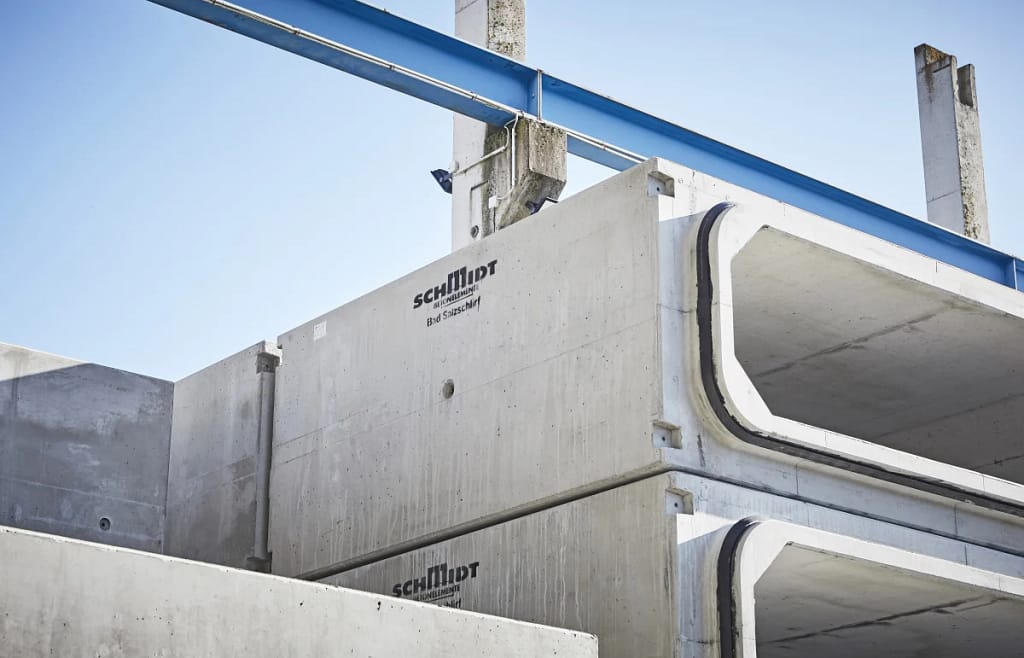
Quick Answer For commercial construction, precast concrete delivers faster schedules, factory-controlled quality, long-term durability, fire resistance, and lower lifecycle costs.
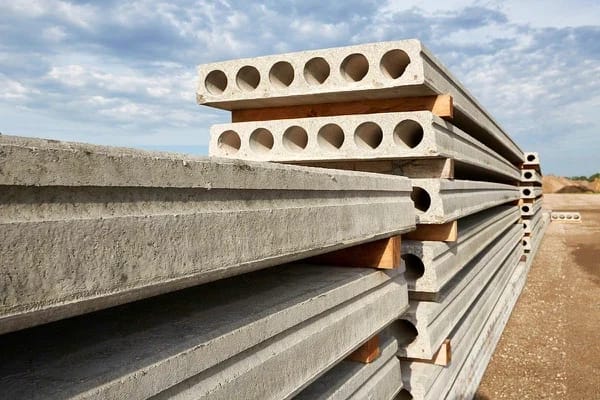
Quick Answer Precast concrete beams and columns form the structural frame of many buildings and parkades. Cast off-site to engineered
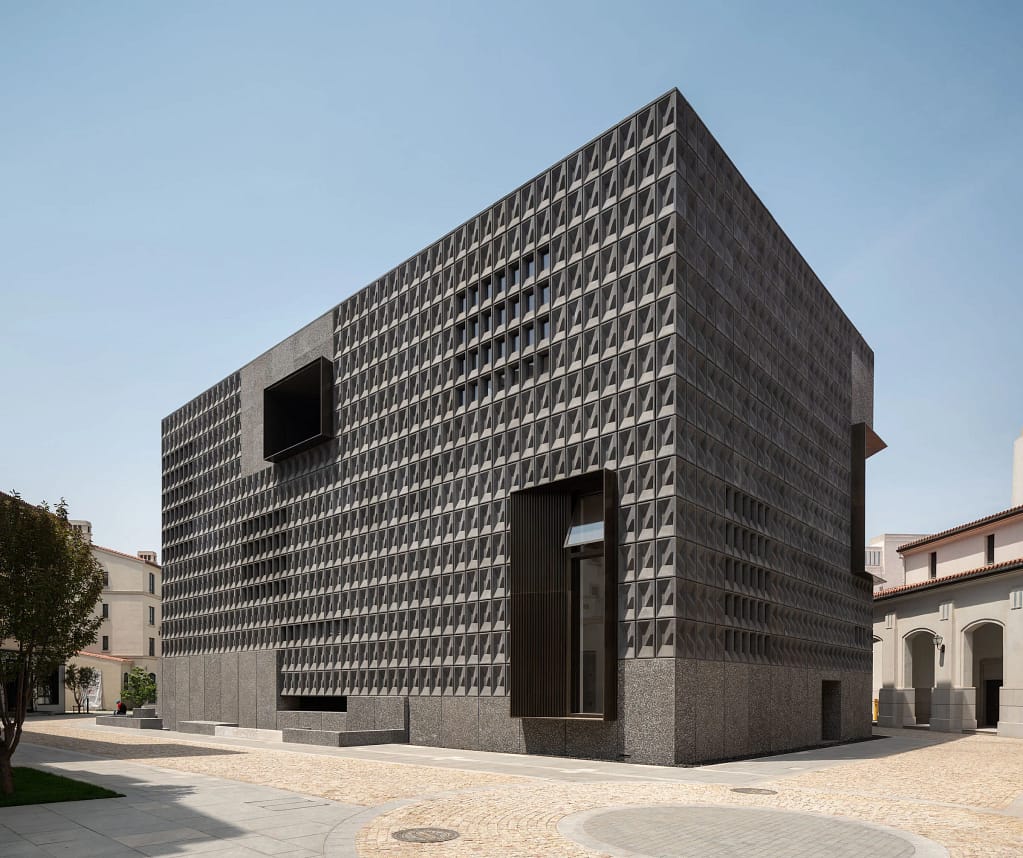
Quick Answer Designing precast concrete means planning how each element is manufactured, shipped, lifted, and connected — not just its