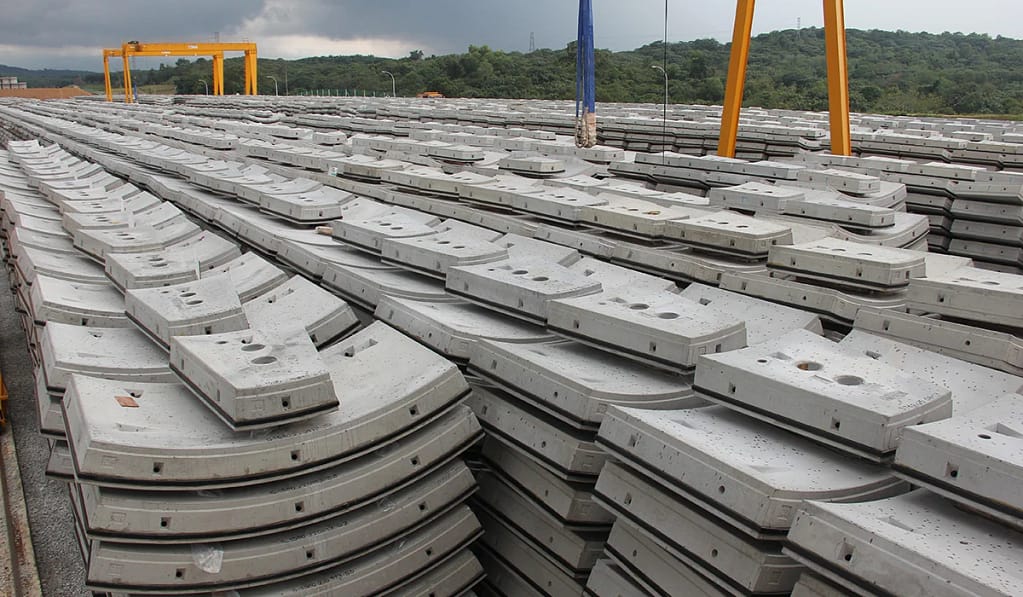
Precast Concrete in Canada: Trends, Opportunities, Challenges
Quick Answer Canada’s precast concrete industry is expanding as housing shortages, aging infrastructure, labour constraints, and rising costs push builders […]


Quick Answer Canada’s precast concrete industry is expanding as housing shortages, aging infrastructure, labour constraints, and rising costs push builders […]
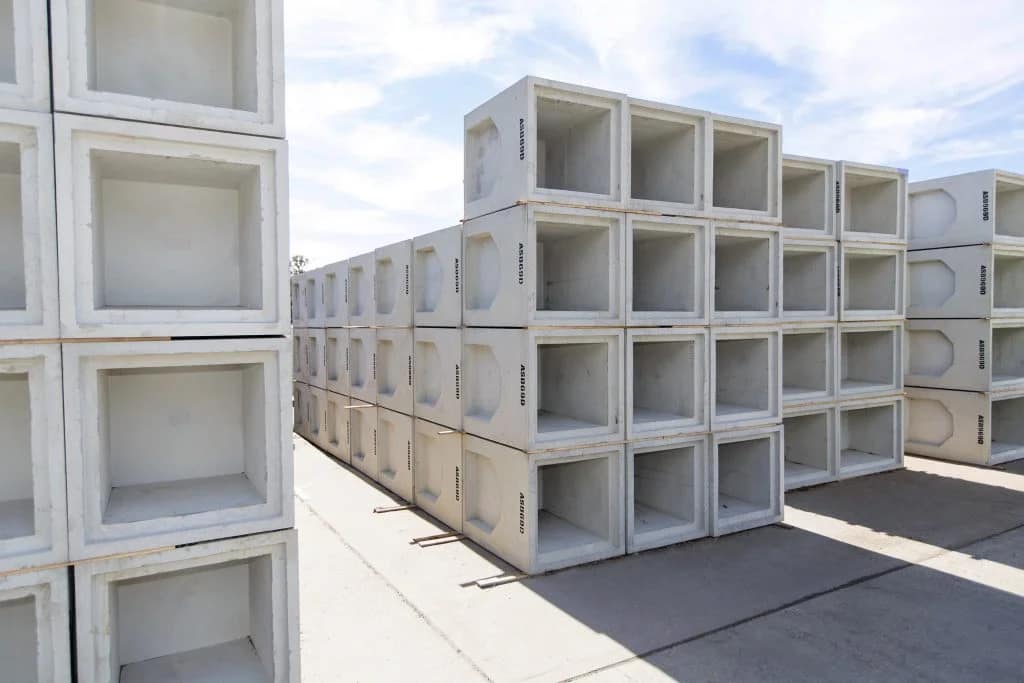
Quick Answer Precast concrete logistics covers scheduling, transport, and on-site lifting of large, heavy elements. Success depends on route and
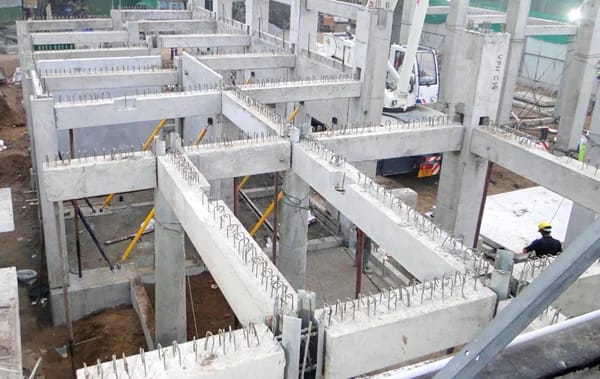
Quick Answer Common precast concrete risks include design or coordination errors, transport and lifting damage, connection or joint failures, and
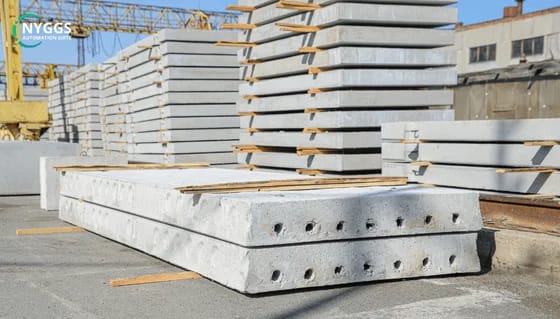
Quick Answer Quality control in precast concrete production covers approved mix designs, calibrated batching, proper consolidation and curing, dimensional inspection,

Quick Answer Designing precast concrete means planning how each element is manufactured, shipped, lifted, and connected — not just its
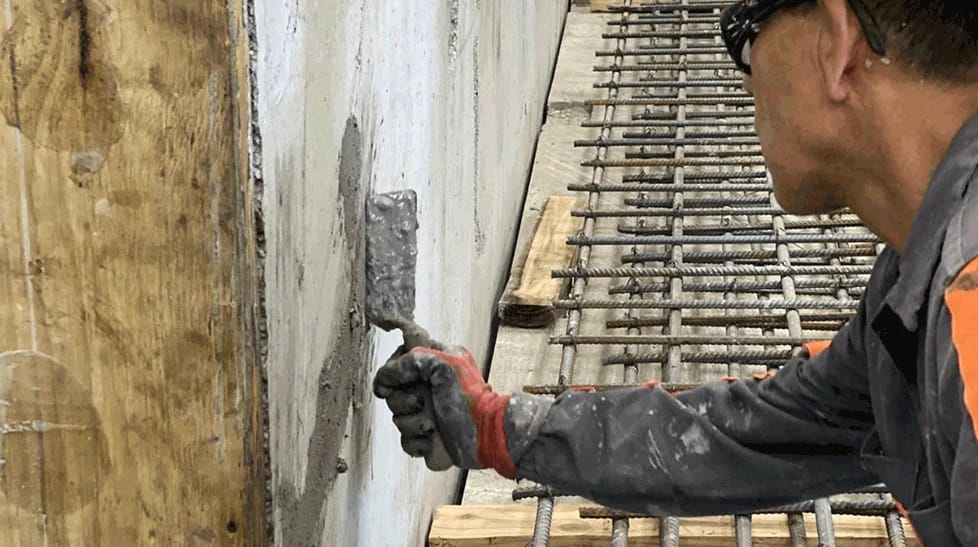
Quick Answer Precast concrete is durable but not maintenance-free. In Canada’s freeze-thaw climate, routine inspection plus prompt repair of failed

Explore the latest innovations in precast concrete technology, from embedded IoT sensors to smart infrastructure systems, and discover how they are building faster, smarter, and more sustainable structures across Canada.

Quick Answer Precast concrete is relatively eco-friendly: factory production minimizes material waste, optimized mixes lower cement use, long lifespans reduce

The precast concrete market outlook for 2025 shows strong global growth driven by infrastructure investment, urbanization, and demand for faster, more sustainable construction methods. This guide explores market size, key trends, and what builders and developers should expect next.
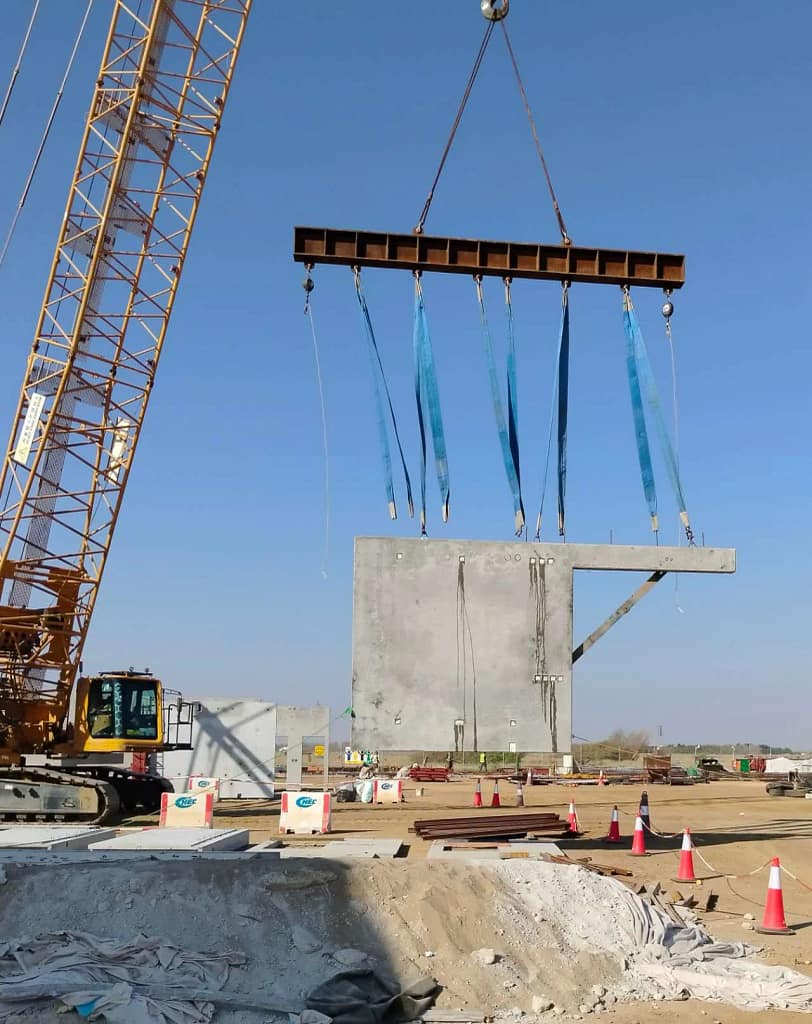
Discover essential strategies for precast concrete maintenance and repair. This guide covers inspection, common deterioration causes, and proven methods to extend the service life of your structures in the Canadian climate.