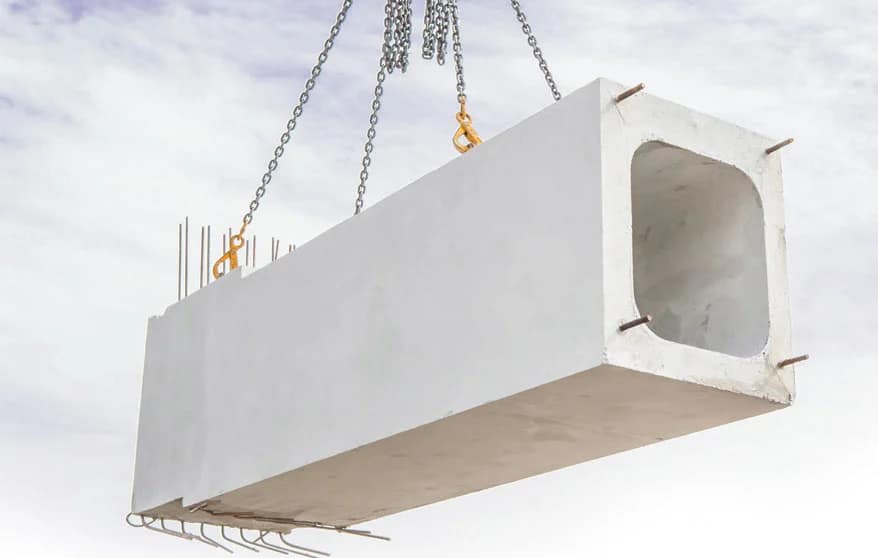
Precast Concrete Terminology: Glossary for Builders
Quick Answer This glossary explains common precast concrete terms — like hollow-core, double-tee, embed, blockout, camber, lifting insert, and shop […]

Quick Answer This glossary explains common precast concrete terms — like hollow-core, double-tee, embed, blockout, camber, lifting insert, and shop […]
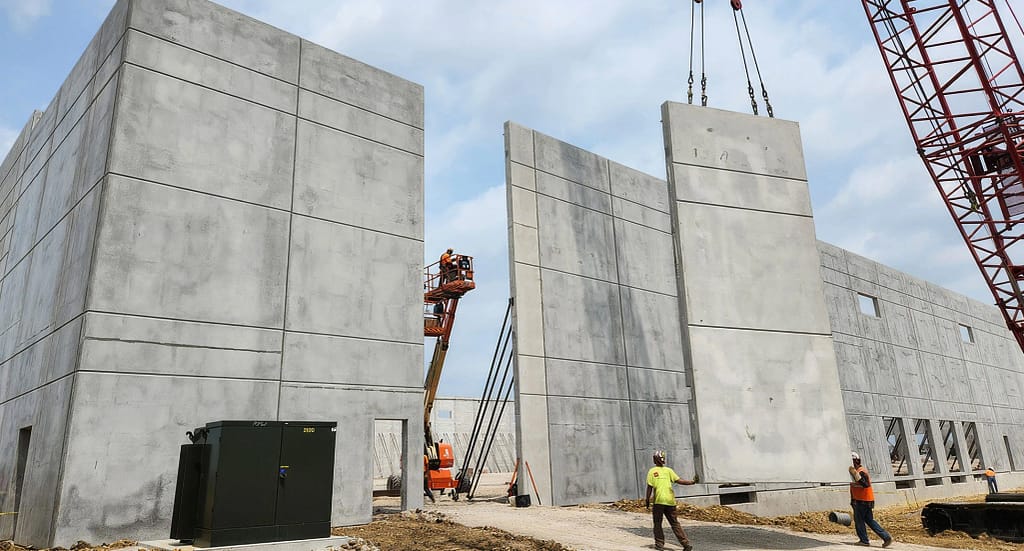
Quick Answer Common precast concrete products for Alberta projects include wall panels, foundations, stairs, septic tanks, window wells, beams, columns,
Quick Answer Precast concrete wall panels come in several types — solid structural, insulated sandwich, architectural, and cladding panels. Each
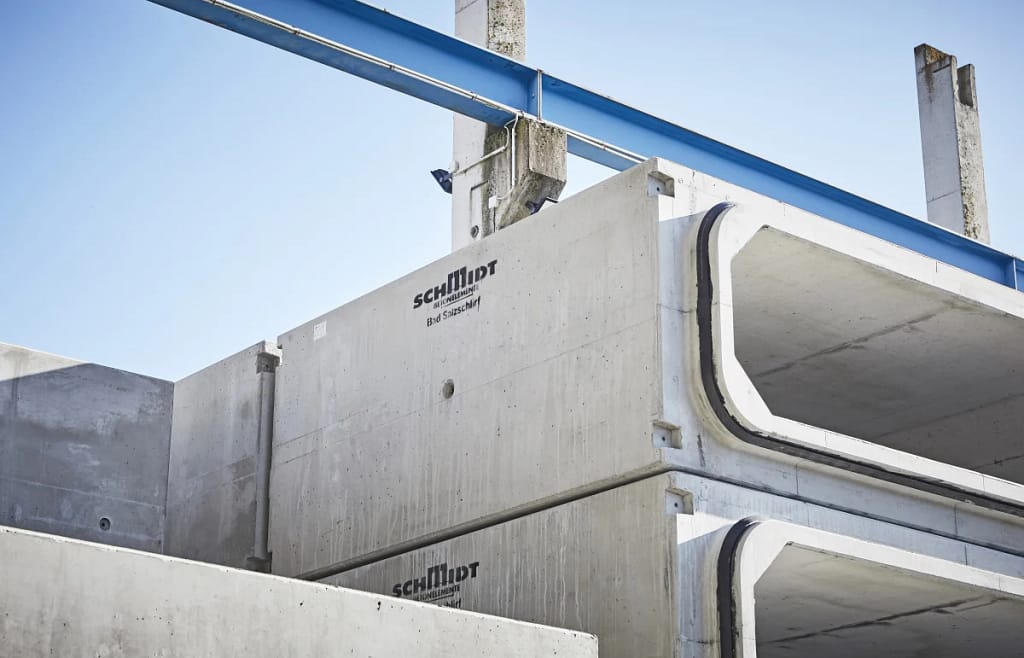
Quick Answer For commercial construction, precast concrete delivers faster schedules, factory-controlled quality, long-term durability, fire resistance, and lower lifecycle costs.
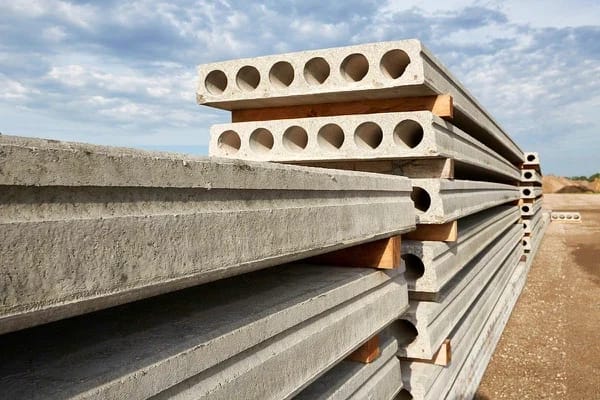
Quick Answer Precast concrete beams and columns form the structural frame of many buildings and parkades. Cast off-site to engineered

Quick Answer Lightweight precast concrete uses lower-density aggregates or optimized mixes to cut weight while keeping strength. Benefits include easier
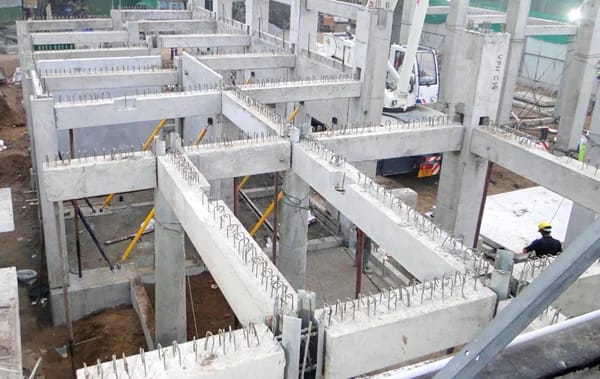
Quick Answer Common precast concrete risks include design or coordination errors, transport and lifting damage, connection or joint failures, and
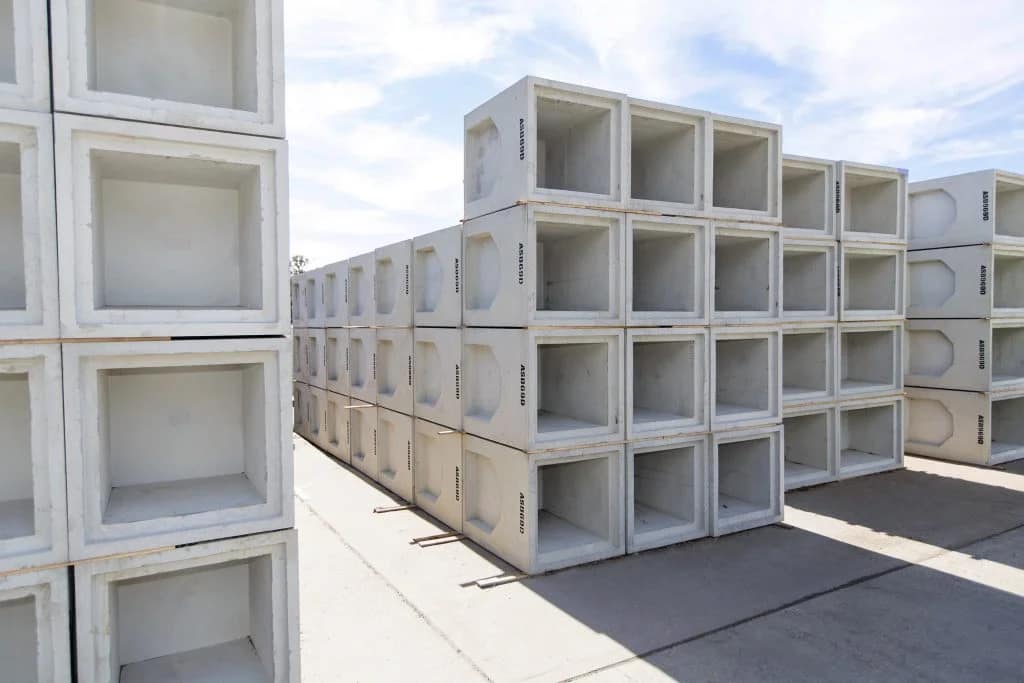
Quick Answer Precast concrete logistics covers scheduling, transport, and on-site lifting of large, heavy elements. Success depends on route and
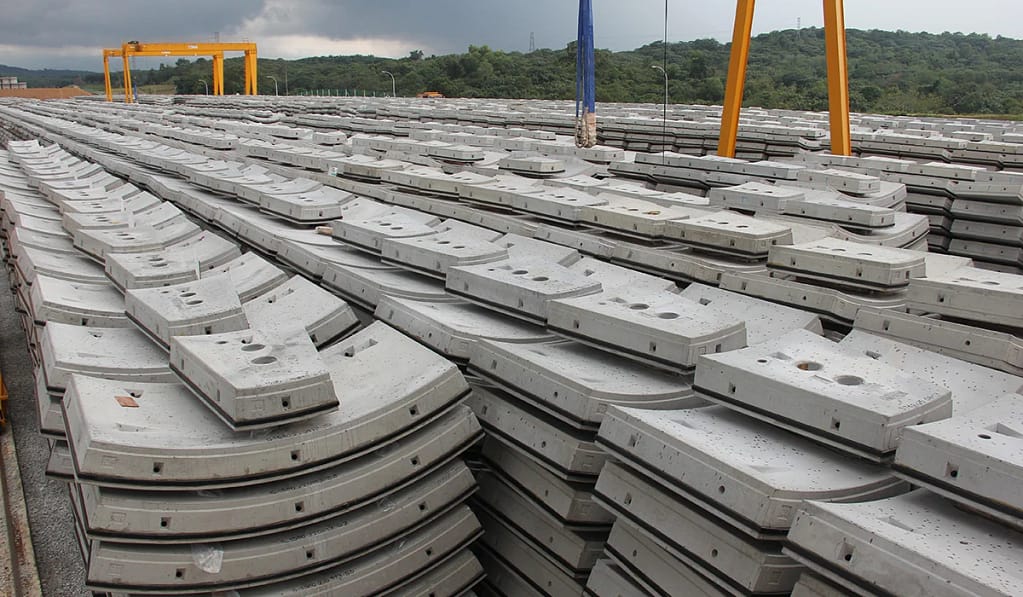
Quick Answer Canada’s precast concrete industry is expanding as housing shortages, aging infrastructure, labour constraints, and rising costs push builders
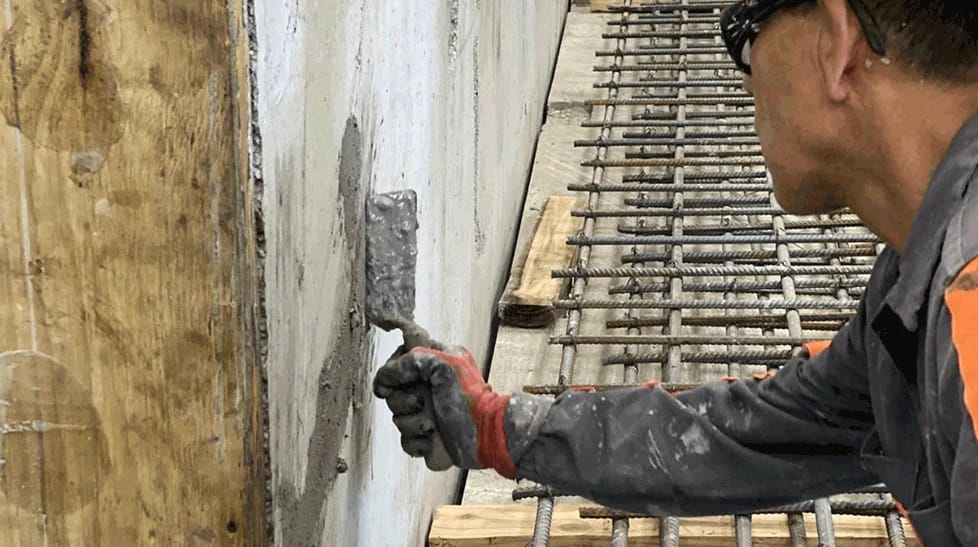
Quick Answer Precast concrete is durable but not maintenance-free. In Canada’s freeze-thaw climate, routine inspection plus prompt repair of failed