
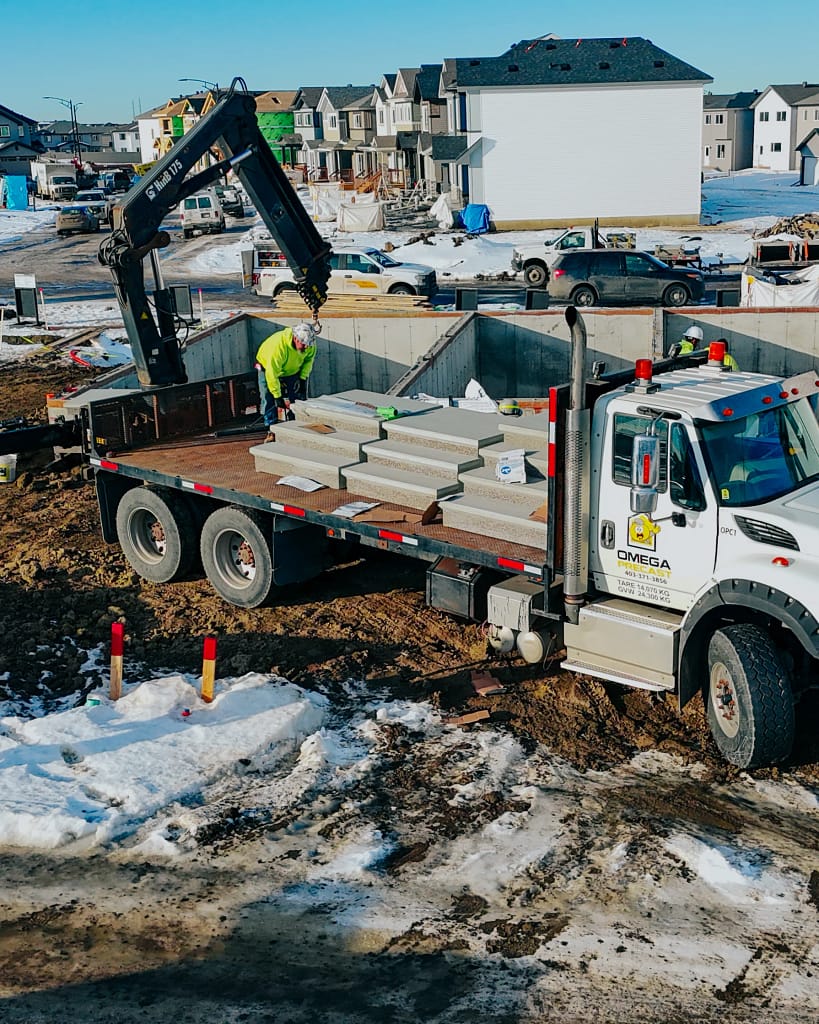
Choosing the right precast concrete supplier in Calgary can be the difference between a smooth, on-time build and a project plagued by delays, quality issues, and unexpected costs. With tighter construction schedules, complex designs, and Calgary’s demanding climate, precast concrete has become a preferred solution for many commercial, industrial, and infrastructure projects. However, not all precast suppliers are created equal.
This guide is designed to help contractors, developers, architects, and engineers make an informed decision. We’ll break down what precast concrete is, why it matters in Calgary, the types of products you should expect, and the critical factors to evaluate before selecting a supplier. By the end, you’ll have a clear framework for choosing a precast partner you can trust.
What Is Precast Concrete and Why It Matters in Calgary
What Is Precast Concrete?
Precast concrete is a construction method where concrete elements are manufactured in a controlled plant environment rather than poured on-site. These elements are cast in reusable molds, cured under controlled conditions, and then transported to the job site for installation.
Common precast elements include wall panels, beams, columns, stairs, landings, and architectural features. Because production takes place in a dedicated facility, precast concrete benefits from consistent quality, precise tolerances, and repeatable results.
According to industry data from the Canadian Precast/Prestressed Concrete Institute (CPCI), precast construction can reduce on-site labor requirements by up to 50% compared to traditional cast-in-place methods, while also improving overall quality control.
Why Precast Is Ideal for Calgary and Western Canada
Calgary’s construction environment presents unique challenges, including cold winters, short building seasons, and increasing pressure to deliver projects faster. Precast concrete directly addresses these challenges.
- Cold-weather reliability: Because precast components are produced indoors, weather delays are minimized.
- Faster project timelines: While site preparation is underway, precast elements can be manufactured simultaneously.
- Consistent quality: Controlled curing leads to higher strength and durability.
- Improved safety: Less on-site forming and pouring reduces jobsite hazards.
For Calgary builders facing tight schedules and variable weather, precast concrete is often the most predictable and efficient solution.
Types of Precast Concrete Products You Should Expect from Top Suppliers
Structural Precast Products
Structural precast concrete forms the backbone of many commercial and industrial buildings. A qualified precast supplier in Calgary should be capable of producing high-performance structural components that meet strict engineering requirements.
Typical structural precast products include:
- Load-bearing wall panels
- Beams and girders
- Columns and piers
- Precast floor and roof systems
These components are engineered to handle significant loads while maintaining dimensional accuracy. For large-scale projects such as warehouses, parkades, and industrial facilities, structural precast offers strength, speed, and reliability.
Architectural Precast Products
Architectural precast combines structural performance with aesthetic flexibility. Leading precast concrete suppliers in Calgary offer architectural solutions that enhance visual appeal without sacrificing durability.
Architectural precast options may include:
- Custom textures and form liners
- Integral colors and stains
- Exposed aggregate finishes
- Decorative façade panels
This versatility allows architects and developers to achieve distinctive designs while maintaining consistent quality across large surface areas.
Specialty and Custom Precast Solutions
Beyond standard structural and architectural elements, experienced precast suppliers should also provide specialty and fully custom solutions. These products are often tailored to specific site conditions or functional requirements.
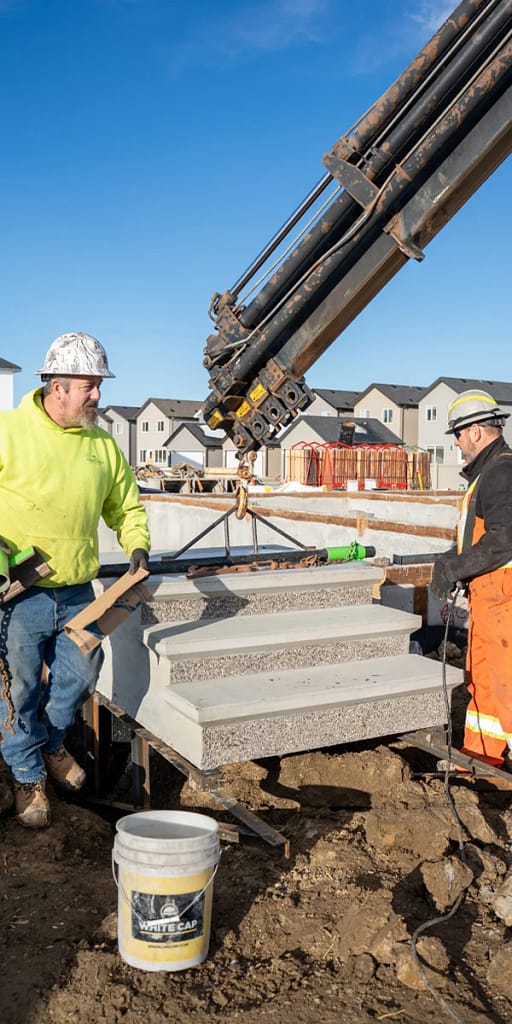
Common specialty precast products include:
- Precast stairs and landings
- Window wells and retaining elements
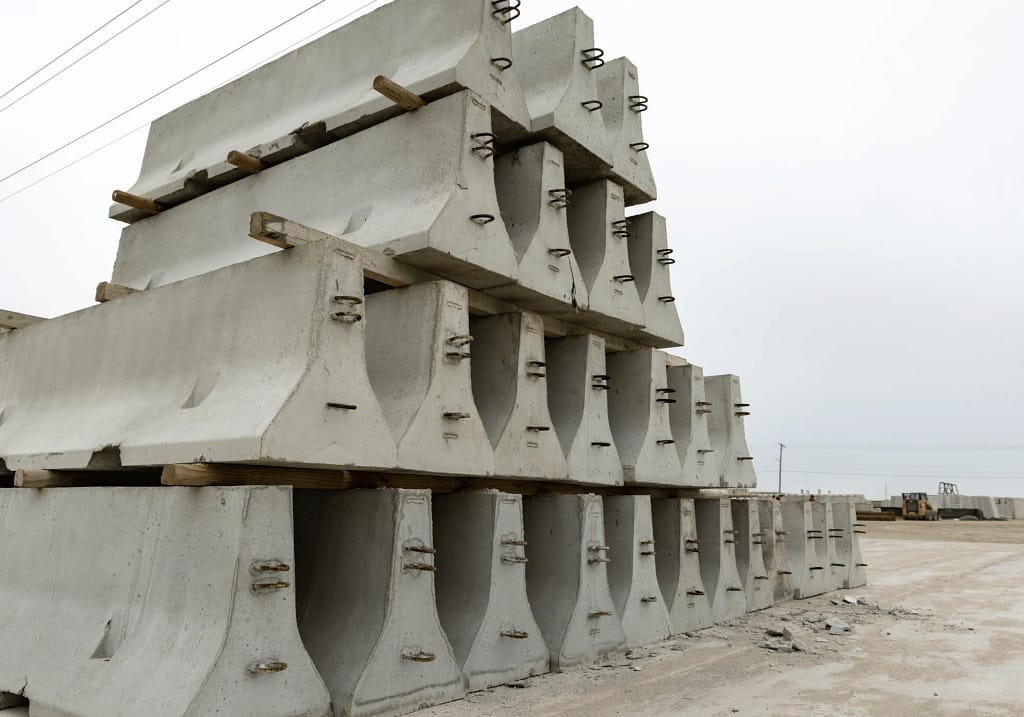
- Site furnishings and barriers
- Utility and infrastructure components
Custom precast requires strong collaboration between the supplier, engineers, and project teams. The ability to design, prototype, and manufacture custom molds is a key indicator of a capable precast partner.
Key Factors to Consider When Choosing a Precast Concrete Supplier in Calgary
Manufacturing Quality and Standard
Quality should be the first and most important consideration when evaluating precast concrete suppliers. Reputable manufacturers operate under strict quality control programs and follow recognized industry standards.
Look for suppliers that demonstrate:
- Consistent material testing and mix design control
- Documented quality assurance and inspection processes
- Compliance with CSA and Canadian building standards
High-quality precast components not only perform better structurally but also reduce long-term maintenance and lifecycle costs.
Experience and Proven Track Record
Experience matters in precast manufacturing. Suppliers with a strong track record understand how to anticipate challenges, optimize production schedules, and deliver reliable results.
When assessing experience, consider:
- Years of operation in the precast industry
- Range of completed projects (commercial, industrial, municipal)
- Ability to handle both small and large-scale production runs
A supplier with diverse project experience is better equipped to adapt to unique design requirements and tight timelines.
Engineering and Design Support
Top precast concrete suppliers in Calgary go beyond manufacturing by offering engineering and design support. Early collaboration during the design phase can significantly improve constructability and cost efficiency.
Value-added design services may include:
- Design-assist and constructability reviews
- Shop drawings and detailed connection design
- Coordination with architects and structural engineers
Engaging a precast supplier early often leads to better outcomes, fewer revisions, and smoother installation.
Production Capacity and Lead Times
Production capacity directly affects your project schedule. A reliable precast supplier should have the equipment, workforce, and systems in place to meet your required volumes without compromising quality.
Important questions to ask include:
- What is the supplier’s typical lead time?
- How do they manage peak seasonal demand?
- Do they have contingency plans for large or fast-track projects?
In Calgary’s competitive construction market, predictable lead times are essential for keeping projects on track.
Delivery, Logistics, and Installation Coordination
Precast concrete does not end at the plant gate. Transportation, handling, and site coordination play a critical role in project success.
Strong precast suppliers provide:
- Clear delivery scheduling and logistics planning
- Experience with oversized and heavy-load transport
- Coordination with cranes and erection crews
Well-planned logistics reduce the risk of site congestion, damage, and installation delays.
Mid-Article Takeaway
At this point, one key message should be clear: choosing the right precast concrete supplier in Calgary is about far more than price. Quality systems, experience, engineering support, capacity, and logistics all work together to determine whether your project runs smoothly or encounters costly setbacks.
In the next section of this guide, we’ll dive deeper into certifications, safety, pricing factors, and the critical questions you should ask before making your final decision.
Certifications, Compliance, and Safety You Should Never Ignore
CSA and Industry Certifications
Certifications are not just formalities—they are proof that a precast concrete supplier operates to recognized standards. In Canada, compliance with CSA (Canadian Standards Association) requirements is essential for structural integrity, safety, and long-term performance.
Certified precast suppliers follow standardized procedures for:
- Concrete mix design and testing
- Dimensional tolerances and reinforcement placement
- Curing, stripping, and finishing processes
Working with a certified precast concrete supplier in Calgary reduces risk for contractors, engineers, and owners alike. It also simplifies inspections, approvals, and insurance requirements.
Safety Programs and Risk Management
Safety is a direct reflection of professionalism. Established precast manufacturers invest heavily in safety training, documented procedures, and continuous improvement.
Key safety indicators to look for include:
- Formal health and safety programs
- Regular employee training and certifications
- Safe lifting, rigging, and transport practices
A strong safety culture protects workers, reduces liability, and ensures uninterrupted production and delivery.
Precast Concrete Cost in Calgary: What Affects Pricing
Material and Design Complexity
Precast concrete pricing varies depending on design requirements. Simple, repetitive components are generally more cost-effective than highly customized elements.
Cost drivers include:
- Custom molds and formwork
- Complex reinforcement or embedded items
- Special finishes or architectural details
While custom precast may carry higher upfront costs, it often delivers long-term savings through reduced installation time and maintenance.
Volume, Repetition, and Scale
One of the biggest advantages of precast concrete is scalability. Larger production runs allow suppliers to optimize molds, labor, and materials.
Projects with repeated elements—such as stairs, panels, or barriers—typically benefit from lower per-unit costs as volume increases.
Transportation and Logistics Costs
Because precast components are manufactured off-site, transportation is a significant factor in pricing. Weight, size, distance, and delivery coordination all influence total cost.
An experienced supplier will help optimize shipping strategies to minimize unnecessary expenses.
Precast vs Cast-in-Place Cost Comparison
| Factor | Precast Concrete | Cast-in-Place Concrete |
|---|---|---|
| Schedule | Faster, parallel production | Weather-dependent |
| Quality Control | High, controlled environment | Variable, site-dependent |
| Labor | Reduced on-site labor | Higher on-site labor |
| Lifecycle Cost | Lower maintenance | Higher long-term upkeep |
Questions to Ask Before Hiring a Precast Concrete Supplier
Technical and Quality Questions
- What quality control procedures do you follow?
- How do you ensure consistent strength and finishes?
- Can you provide recent test results or certifications?
Scheduling and Delivery Questions
- What are your current lead times?
- How do you handle schedule changes or accelerations?
- Do you assist with delivery and erection planning?
Commercial and Contract Questions
- How are change orders managed?
- What warranties do you offer?
- Who is the primary point of contact throughout the project?
Red Flags to Watch Out for When Choosing a Precast Supplier
Lack of Certifications or Documentation
Suppliers who cannot clearly demonstrate compliance with standards should be approached with caution.
Unrealistically Low Pricing
Extremely low bids often indicate shortcuts in materials, quality control, or safety—issues that can become costly later.
Limited Project References
A reputable precast supplier should be able to share relevant project examples and references.
Poor Communication
Slow responses, unclear timelines, or vague answers early on often signal problems down the line.
Why Working with a Canada-Wide Precast Manufacturer Matters
Scalability Across Provinces
Canada-wide precast suppliers bring standardized processes and the ability to support multi-location projects with consistent quality.
Consistency and Reliability
Centralized production standards ensure predictable outcomes, even as project scope expands.
Long-Term Partnership Value
Developing a relationship with a national precast manufacturer can streamline future projects and reduce procurement complexity.
Why Omega Precast Is a Trusted Precast Concrete Supplier in Calgary and Canada
Proven Manufacturing Expertise
Omega Precast combines modern production equipment with experienced teams to deliver high-quality precast concrete products across Canada.
Custom and Large-Scale Capabilities
From custom architectural elements to high-volume structural components, Omega Precast is equipped to handle projects of all sizes.
Commitment to Quality, Speed, and Reliability
With a focus on controlled manufacturing, clear communication, and dependable delivery, Omega Precast helps clients build with confidence.
Step-by-Step Checklist for Choosing the Right Precast Supplier
- Define your project scope and technical requirements
- Verify certifications and quality standards
- Review experience and past projects
- Confirm production capacity and lead times
- Evaluate total value—not just price
Frequently Asked Questions About Precast Concrete Suppliers in Calgary
How long does precast concrete take to manufacture?
Lead times vary by project size and complexity, but many precast elements are ready within weeks rather than months.
Is precast concrete more expensive than poured concrete?
While initial costs may be similar or slightly higher, precast often delivers savings through faster schedules and reduced maintenance.
Can precast concrete be customized?
Yes. Modern precast manufacturing supports custom shapes, finishes, and integrated features.
Do precast suppliers deliver outside Calgary?
Many suppliers, including Canada-wide manufacturers, provide delivery and logistics support across provinces.
When should a precast supplier be involved?
Early involvement during design often leads to better constructability, pricing, and scheduling outcomes.
Conclusion: Choosing the Right Precast Partner Sets Your Project Up for Success
Selecting the right precast concrete supplier in Calgary is a strategic decision that impacts cost, schedule, quality, and long-term performance. By focusing on experience, certifications, capacity, and collaboration, you can significantly reduce project risk and improve outcomes.
The right precast partner doesn’t just supply concrete—they contribute expertise, reliability, and confidence throughout the build.
Call to Action
If you’re planning a project and want dependable quality, clear timelines, and expert support, work with a precast concrete supplier you can trust.
Contact Omega Precast today to discuss your project requirements, request a quote, or explore custom precast solutions tailored to your needs.