
Precast concrete maintenance and repair play a critical role in preserving the strength, durability, and long service life of precast concrete structures.. From commercial buildings and parking structures to industrial facilities and infrastructure projects across Canada, precast concrete plays a critical role in modern construction. However, a common misconception persists: that precast concrete is virtually maintenance-free. In reality, even the highest-quality precast elements require planned maintenance and, in some cases, timely repair to ensure long-term performance, safety, and value.
Without proper maintenance, small defects such as hairline cracks, joint failures, or surface scaling can develop into serious structural concerns. The cost of neglect is often far greater than the cost of preventive care. This article provides an in-depth, practical guide to the maintenance & repair of precast concrete structures, drawing on real-world experience, industry standards, and proven best practices. Whether you are a property owner, engineer, contractor, or facility manager, this guide will help you make informed decisions and protect your investments.
Understanding Precast Concrete Structures
What Is Precast Concrete?
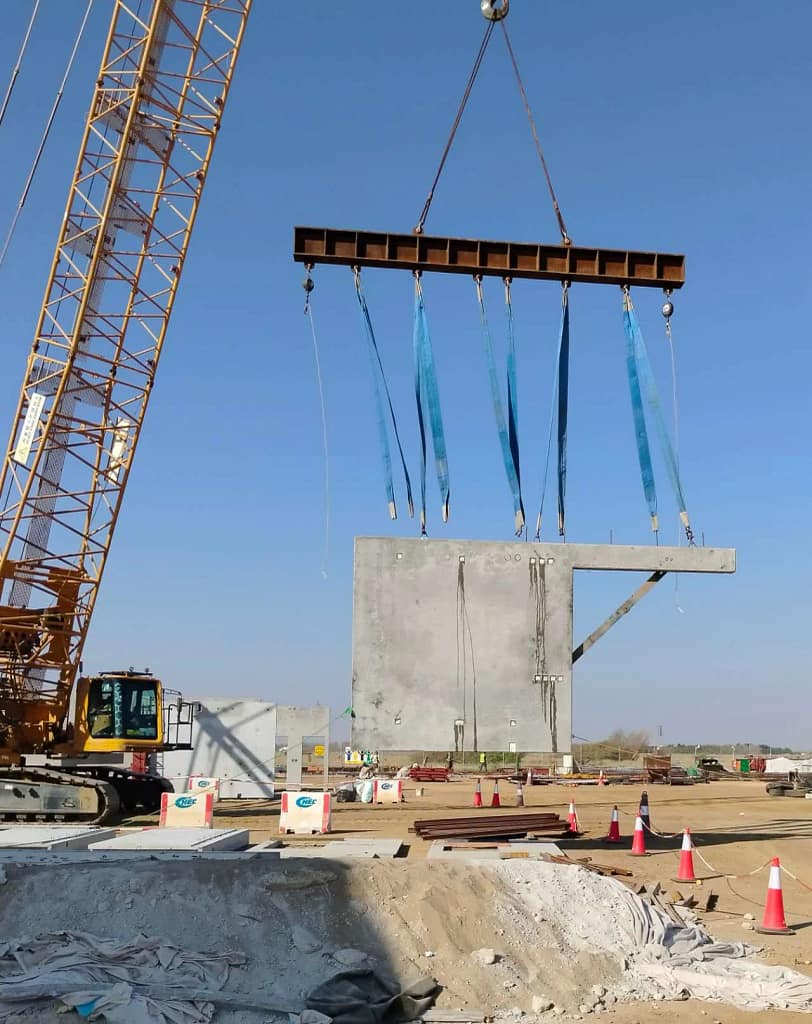
Precast concrete refers to concrete components that are manufactured in a controlled factory environment and then transported to the construction site for installation. Unlike cast-in-place concrete, which is poured and cured on site, precast elements are produced using precision molds, carefully controlled curing conditions, and rigorous quality control processes.
This manufacturing approach allows for:
- Consistent material quality and strength
- Improved surface finishes and dimensional accuracy
- Faster on-site construction timelines
- Reduced weather-related risks during production
At Omega Precast, modern equipment and experienced technicians ensure that each precast component meets strict performance and durability standards before leaving the facility.
Common Applications of Precast Concrete
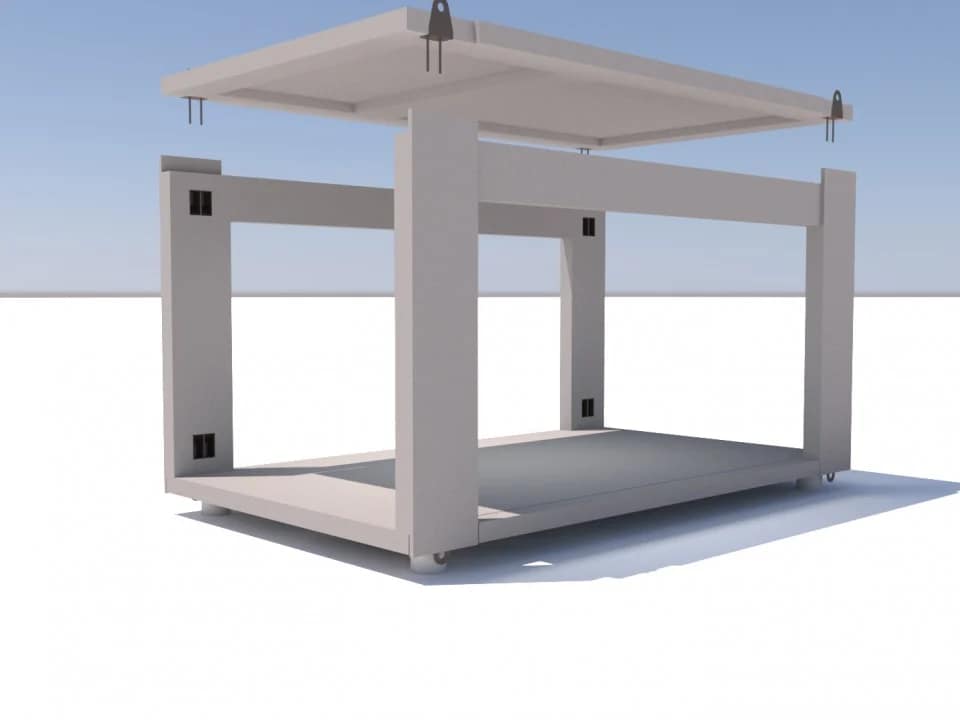
Precast concrete structures are used across a wide range of sectors throughout Canada. Common applications include:
- Commercial and industrial buildings
- Parking garages and parkades
- Bridges and transportation infrastructure
- Precast stairs, landings, and balconies
- Architectural façade panels and cladding systems
- Retaining walls and sound barriers
Each application is exposed to different environmental and loading conditions, which directly influence maintenance needs and repair strategies.
Why Precast Concrete Is Durable — But Not Immune
Precast concrete is inherently durable due to its dense mix design, controlled curing, and embedded reinforcement. According to the Canadian Standards Association (CSA), well-designed precast concrete structures can achieve service lives of 50 to 75 years or more when properly maintained.
However, durability does not mean invulnerability. Environmental exposure, design detailing, installation quality, and ongoing use all affect long-term performance. Over time, even high-quality precast elements can experience wear, cracking, or reinforcement corrosion if maintenance is ignored.
Why Precast Concrete Maintenance and Repair Is Critical
Structural Safety and Public Protection
The primary purpose of maintenance is to ensure structural safety. Small defects such as surface cracks or joint failures may appear cosmetic at first, but they can allow water and chlorides to penetrate the concrete. This moisture intrusion accelerates reinforcement corrosion, which can compromise load-bearing capacity.
In public structures such as parking garages or commercial buildings, neglected deterioration can lead to falling concrete fragments, posing serious safety risks. Proactive maintenance significantly reduces these hazards.
Extending Service Life and Performance
Regular maintenance directly extends the service life of precast concrete structures. Industry studies consistently show that preventive maintenance can increase a structure’s usable lifespan by 20–30% compared to reactive, repair-only approaches.
For asset owners, this means:
- Delayed need for major rehabilitation
- Improved structural reliability
- Better long-term performance under Canadian climate conditions
Reducing Long-Term Repair Costs
From a financial perspective, maintenance is one of the most cost-effective investments an owner can make. The National Research Council of Canada (NRC) reports that preventive maintenance typically costs only a fraction of major structural repairs or replacements.
Addressing minor issues early—such as resealing joints or repairing small cracks—helps avoid costly interventions like full-depth concrete replacement or structural strengthening.
Common Causes of Deterioration in Precast Concrete
Environmental Exposure and Climate Effects
Canada’s climate presents unique challenges for precast concrete structures. Repeated freeze-thaw cycles, especially when combined with moisture, can cause surface scaling and internal cracking. De-icing salts used in winter further accelerate deterioration by introducing chlorides into the concrete.
Structures such as parking garages, bridge components, and exterior stairs are particularly vulnerable to these conditions.
Reinforcement Corrosion
Steel reinforcement corrosion is one of the most common causes of precast concrete damage. Chloride penetration from road salts or marine environments breaks down the protective alkaline environment surrounding the steel.
As corrosion progresses, the steel expands, leading to:
- Cracking along reinforcement lines
- Concrete spalling and delamination
- Loss of structural capacity
Cracking and Joint Failure
Cracks in precast concrete may result from thermal movement, differential settlement, or structural loading. While not all cracks are structural, they often act as pathways for moisture and contaminants.
Joint systems between precast elements are equally critical. Failed sealants or damaged bearings can allow water ingress and compromise the performance of the entire structural system.
Poor Drainage and Water Management
Inadequate drainage is a hidden but significant contributor to deterioration. Ponding water on horizontal precast elements accelerates freeze-thaw damage and increases chloride exposure.
Effective maintenance programs always include regular drainage inspections and cleaning to ensure water is properly directed away from the structure.
Inspection and Condition Assessment of Precast Concrete Structures
Visual Inspection: The First Line of Defense
Routine visual inspections are the foundation of any effective maintenance strategy. Trained inspectors look for early signs of distress, including:
- Cracks, spalls, and surface scaling
- Rust staining or exposed reinforcement
- Joint sealant deterioration
- Water leakage or efflorescence
These inspections are often performed annually or biannually, depending on the structure’s exposure and use.
Non-Destructive Testing (NDT) Methods
When visual inspections indicate potential issues, non-destructive testing provides deeper insight without damaging the structure. Common NDT methods include:
- Rebound hammer testing to estimate surface strength
- Ultrasonic pulse velocity testing to detect internal flaws
- Cover meter surveys to locate reinforcement and assess concrete cover
These tools help engineers determine the severity of deterioration and prioritize maintenance actions.
Engineering Evaluation and Maintenance Planning
A comprehensive condition assessment often concludes with an engineering review. This evaluation considers load demands, material condition, and environmental exposure to develop a prioritized maintenance and repair plan.
According to experienced structural engineers, “Early assessment and targeted maintenance are the most effective ways to avoid disruptive and expensive structural repairs later in a building’s life.”
In the next section, we will explore preventive maintenance strategies and proven repair methods that help precast concrete structures perform reliably for decades. Contact Omega Precast to discuss the best concrete solution for your project requirements.