
Across Canada, the construction industry is under unprecedented pressure. Rapid population growth, a nationwide housing shortage, aging infrastructure, labour constraints, and rising material costs are forcing builders, engineers, and governments to rethink how projects are delivered. In this environment, precast concrete in Canada has moved from a niche solution to a critical construction strategy.
Manufactured in controlled plant environments and delivered ready for installation, precast concrete offers speed, consistency, and durability that traditional cast-in-place methods often struggle to match—especially in Canada’s demanding climate. This article explores the current state of the Canadian precast concrete industry, the major trends driving its growth, and why precast is becoming a cornerstone of modern construction across the country.
Overview of the Canadian Precast Concrete Industry
What Is Precast Concrete?
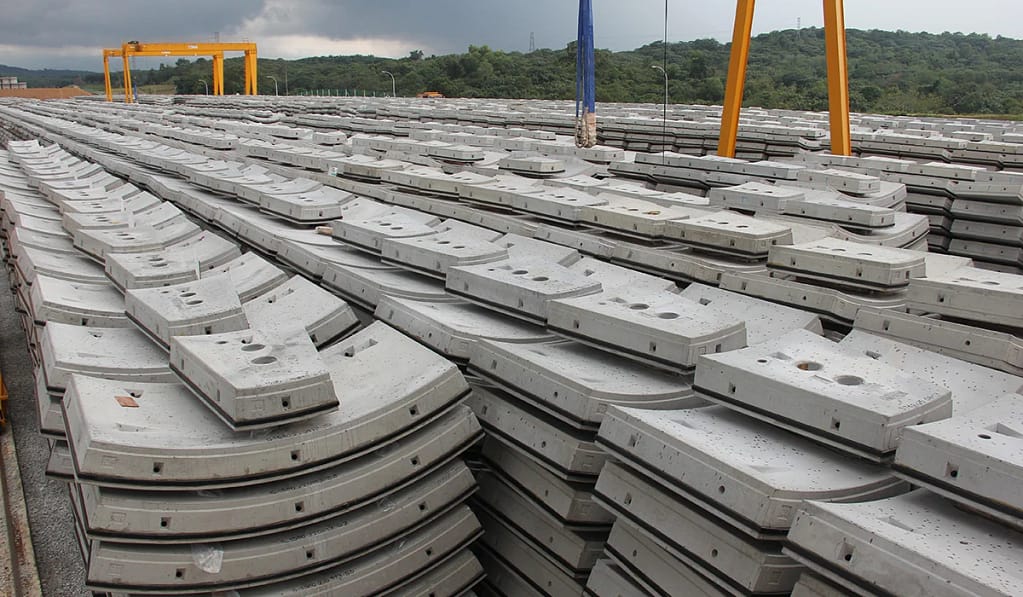
Precast concrete refers to structural and architectural concrete components that are produced in a manufacturing facility rather than poured on the job site. These elements—such as walls, columns, beams, stairs, panels, and utility structures—are cast using reusable forms, cured under controlled conditions, and then transported to site for installation.
Unlike cast-in-place concrete, which is subject to weather delays, variable workmanship, and inconsistent curing, precast concrete benefits from factory-level quality control. This distinction is especially important in Canada, where temperature swings, short construction seasons, and winter conditions can severely affect on-site concrete performance.
In practical terms, precast allows multiple project phases to happen at once. While foundations are being prepared on site, concrete components are already being produced in the plant—compressing schedules and improving predictability.
Size and Growth of the Canadian Precast Market
The Canadian precast concrete market is experiencing steady growth, supported by infrastructure renewal, urban densification, and industrial expansion. Independent market research consistently shows the global precast sector growing at a healthy compound annual growth rate, with Canada closely tracking this trend due to its infrastructure-heavy economy.
Key growth drivers in Canada include:
- Federal and provincial investments in transportation and public infrastructure
- Accelerated demand for multi-residential housing
- Increased adoption of modular and off-site construction methods
- Rising focus on lifecycle durability and long-term asset performance
From bridges and transit systems to data centres and residential buildings, precast concrete manufacturing in Canada is no longer limited to specialized applications—it has become mainstream.

Key Applications Across Canada
Precast concrete is used across virtually every construction sector in Canada, offering flexibility in both structural and architectural roles.
- Residential and Multi-Family: Wall panels, floor systems, stairs, and balconies for apartments, condos, and townhomes.
- Commercial and Institutional: Schools, hospitals, offices, and parking structures that require speed and durability.
- Industrial: Warehouses, manufacturing plants, and data centres where precision and load capacity are critical.
- Civil Infrastructure: Bridges, culverts, retaining walls, sound barriers, and utility vaults.
In remote or northern regions, precast is often the only practical solution due to limited labour availability and short construction windows.
Major Trends Shaping Precast Concrete in Canada
Infrastructure Renewal and Government Investment
Canada’s infrastructure deficit is well documented. Many bridges, highways, water systems, and public facilities are reaching or exceeding their design life. Government funding programs at both federal and provincial levels are accelerating replacement and rehabilitation projects, creating strong demand for precast concrete solutions.
Precast components are particularly well suited to infrastructure work because they:
- Reduce on-site construction time and traffic disruption
- Provide consistent quality for long-term durability
- Allow year-round manufacturing, even when site work is limited
For municipalities and transportation authorities, precast concrete offers predictable performance and lower lifecycle maintenance costs—key considerations for public assets expected to last decades.
Growth of Modular and Off-Site Construction
One of the most significant trends influencing precast concrete in Canada is the rise of modular and off-site construction. Faced with labour shortages and schedule pressure, developers are increasingly turning to factory-built solutions that minimize on-site complexity.
Precast concrete plays a foundational role in this shift. Structural precast panels, floor systems, and stair cores integrate seamlessly with modular building techniques, allowing projects to move faster without sacrificing quality.
Real-world results show that modular projects using precast elements can reduce overall construction timelines by 20–40%, while also improving site safety and reducing material waste.

Sustainability and Low-Carbon Construction
Sustainability is no longer optional in Canadian construction—it is a requirement driven by regulations, investor expectations, and long-term operating costs. Precast concrete aligns well with these goals when properly designed and manufactured.
Environmental advantages of precast include:
- Reduced material waste through reusable forms
- Optimized mix designs that lower cement content
- Improved thermal performance in building envelopes
- Long service life, reducing replacement frequency
Many Canadian precast producers are incorporating supplementary cementitious materials (SCMs) and continuously improving production efficiency to lower embodied carbon. Over a building’s lifecycle, durable precast systems often outperform lighter alternatives that require more frequent repair or replacement.
Digital Design, BIM, and Automation
Digital transformation is reshaping how precast concrete is designed and manufactured in Canada. Building Information Modeling (BIM) allows engineers, architects, and precast manufacturers to collaborate earlier and with greater precision.
With BIM-driven workflows, precast components are modeled down to the connection level before production begins. This reduces clashes, minimizes rework, and ensures that what is manufactured fits perfectly on site.
Automation within precast plants—such as advanced batching systems, precision forms, and digital quality control—further improves consistency and traceability. For clients, this means fewer surprises, tighter tolerances, and higher confidence in the final product.
As these technologies continue to mature, the gap between traditional site-built construction and modern precast manufacturing will only widen—positioning precast as a preferred solution for complex Canadian projects.
Opportunities in the Canadian Precast Concrete Market
Residential Housing and Multi-Unit Developments
Canada’s housing shortage has become one of the most pressing economic and social challenges in the country. With population growth outpacing housing supply, governments and private developers are under pressure to deliver high-density residential projects faster and more efficiently. This is where precast concrete in Canada presents a major opportunity.
Precast wall panels, floor systems, and stair assemblies allow multi-family buildings to rise quickly once foundations are complete. Entire floors can be erected in days rather than weeks, helping developers reduce financing costs and bring units to market sooner. For occupants, precast structures offer excellent sound insulation, fire resistance, and long-term durability—critical qualities in dense urban housing.
In some residential and retrofit scenarios, lightweight precast concrete systems offer additional benefits by reducing structural loads, improving thermal performance, and simplifying transportation without sacrificing durability.
Transportation and Civil Infrastructure
Transportation infrastructure remains one of the strongest growth segments for precast concrete manufacturing in Canada. Bridges, culverts, retaining walls, sound barriers, and transit stations all benefit from the strength and consistency of precast components.
Because precast elements are manufactured off-site, installation time is dramatically reduced—minimizing road closures, rail disruptions, and public inconvenience. For civil authorities, this translates into safer construction zones and predictable project timelines.
Successful projects account for logistics early in the design phase, as logistics and transport of precast concrete elements directly influence panel sizing, delivery schedules, permitting requirements, and overall project feasibility—especially for oversized or long-span components.
Industrial, Energy, and Utility Projects
Industrial construction is another major opportunity for the Canadian precast sector. Warehouses, logistics hubs, data centres, substations, and energy facilities all demand structures that can handle heavy loads, tight tolerances, and aggressive schedules.
Precast concrete excels in these environments due to its precision and repeatability. For example, data centres often require rapid enclosure and strict dimensional control—both of which are well suited to factory-produced concrete systems.
Remote, Northern, and Indigenous Communities
In remote and northern regions of Canada, construction is constrained by limited labour availability, short building seasons, and challenging logistics. Precast concrete provides a practical solution by shifting most labour-intensive work into the plant.
By delivering ready-to-install components, precast reduces on-site manpower requirements and improves construction reliability in areas where delays can be extremely costly. This makes it an increasingly attractive option for housing, utilities, and community infrastructure in remote locations.

Challenges Facing Precast Concrete in Canada
Transportation and Logistics Constraints
Despite its advantages, precast concrete is not without challenges. Transportation remains one of the most significant constraints, particularly for large or heavy components. Oversized loads may require special permits, escorts, and route planning—adding complexity and cost.
Successful precast projects account for logistics early in the design phase, ensuring that component sizes align with transportation realities and site access conditions.
Labour Shortages and Skilled Workforce Gaps
While precast reduces on-site labour, it still relies on skilled workers in manufacturing facilities. Across Canada, shortages of experienced formwork specialists, reinforcement installers, and quality control technicians present ongoing challenges.
Forward-thinking precast manufacturers invest heavily in training, standardized processes, and automation to maintain quality and capacity despite workforce pressures.
Rising Material and Energy Costs
Fluctuations in cement, steel, aggregate, and fuel prices directly affect precast concrete manufacturing in Canada. Energy-intensive curing processes and transportation costs further add to pricing volatility.
To manage this challenge, leading producers focus on mix optimization, efficient production planning, and transparent communication with clients to maintain cost predictability.
Climate and Seasonal Installation Limits
Although precast production can continue year-round, installation may still be affected by extreme weather. Cold temperatures, snow, and ice require careful planning to ensure safe lifting and proper connections.
Experienced precast teams mitigate these risks through winter installation strategies, appropriate equipment selection, and detailed sequencing plans.
Reputable manufacturers follow strict quality control processes and comply with CSA standards for precast concrete, ensuring structural performance, durability, and long-term safety.
While precast offers significant advantages, project teams must also understand the risks and limitations of precast concrete, including design coordination gaps, transportation constraints, and installation sequencing errors that can impact cost and timelines if not addressed early.
Precast vs Cast-in-Place Concrete in Canada
When evaluating construction methods, many project teams compare precast concrete with traditional cast-in-place approaches. Each has its place, but the differences are increasingly clear.
| Criteria | Precast Concrete | Cast-in-Place Concrete |
|---|---|---|
| Construction Speed | Fast installation with parallel production | Slower, sequential on-site processes |
| Quality Control | Factory-controlled consistency | Variable site conditions |
| Weather Impact | Minimal during manufacturing | High exposure to delays |
| Cost Predictability | Higher upfront clarity | Greater risk of overruns |
| Lifecycle Performance | Excellent durability and longevity | Dependent on site execution |
Best Practices for Successful Precast Projects in Canada
Early Collaboration with Precast Manufacturers
The most successful precast projects involve manufacturers early in the design process. Design-assist collaboration allows structural systems, connection details, and logistics to be optimized before drawings are finalized.
Detailed Logistics and Installation Planning
Crane access, site staging, delivery sequencing, and lifting points must all be coordinated well in advance. This level of planning ensures smooth installation and minimizes on-site disruptions.
Strict Quality Control and Compliance
Adherence to Canadian Standards Association (CSA) requirements, documented testing, and traceable production records are essential for trust and long-term performance. Reputable precast suppliers maintain rigorous quality management systems to meet these expectations.
Why Omega Precast Is Positioned for the Canadian Market
At Omega Precast, we bring real-world experience and modern manufacturing expertise to projects across Canada. Our team understands the unique demands of Canadian construction—from climate considerations to logistical challenges—and designs precast solutions accordingly.
- Nationwide service capability for residential, commercial, and infrastructure projects
- Modern equipment and precision-controlled production environments
- Reliable turnaround times aligned with demanding schedules
- Commitment to quality, safety, and long-term performance
By combining technical knowledge with responsive service, Omega Precast acts not just as a supplier, but as a strategic partner throughout the project lifecycle.
According to the Canadian precast concrete industry, growing investment in infrastructure and housing continues to accelerate adoption of off-site manufactured concrete systems nationwide.

Future Outlook for Precast Concrete in Canada
Looking ahead, the outlook for precast concrete in Canada remains strong. Infrastructure renewal, housing demand, and industrial expansion will continue to drive growth. At the same time, advances in low-carbon concrete, automation, and digital design will further enhance precast’s value proposition.
As the industry evolves, precast concrete is expected to play an even greater role in delivering resilient, efficient, and sustainable buildings across the country.
Frequently Asked Questions (FAQ)
Is precast concrete more expensive in Canada?
While initial costs may appear higher, precast often delivers lower total project costs through faster schedules, reduced labour, and fewer delays.
Can precast concrete be installed year-round?
Yes. Manufacturing continues year-round, and with proper planning, installation can proceed safely even in colder conditions.
What types of projects benefit most from precast?
Multi-residential, infrastructure, industrial, and remote-location projects typically see the greatest benefits.
When should a precast supplier be involved?
Ideally during early design stages, allowing systems and logistics to be optimized from the start.
Conclusion and Call to Action
Precast concrete in Canada is no longer just an alternative—it is a proven, forward-looking construction solution. From faster project delivery to improved quality and sustainability, the advantages are clear when projects are planned and executed correctly.
If you are considering precast for your next project, Omega Precast is ready to help. Contact us to discuss your requirements, explore design options, and discover how precast concrete can add value to your build.