
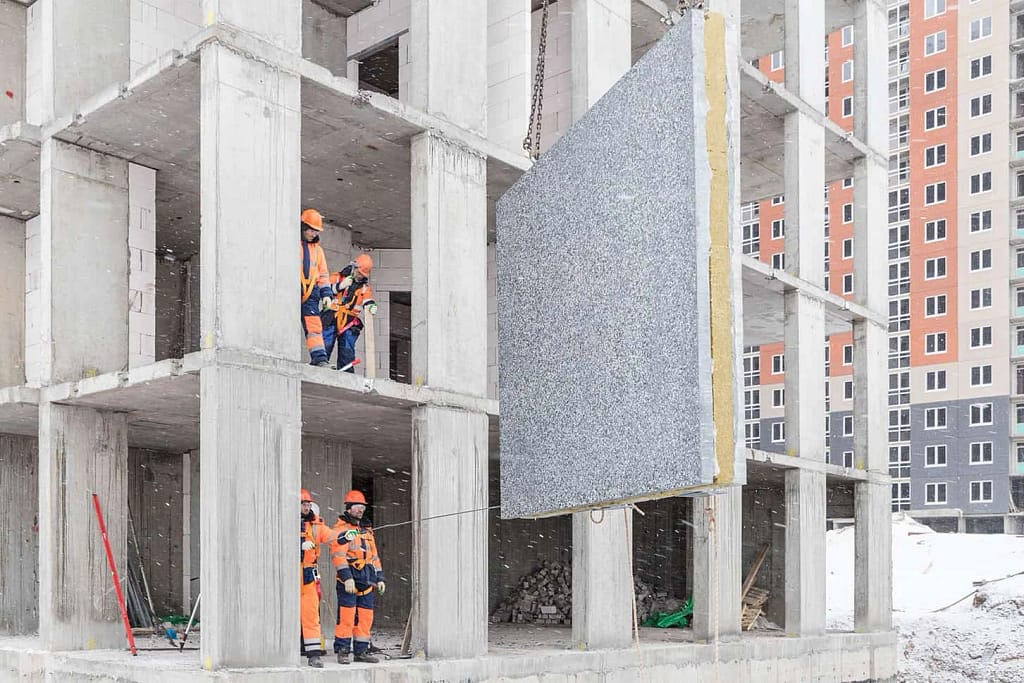
Understanding total precast concrete cost requires looking beyond upfront pricing to include schedule efficiency, labour savings, and long-term performance.
Precast concrete is often perceived as a “premium” construction option—strong, precise, and durable, but expensive. That assumption stops many developers, contractors, and project owners from seriously considering it. The reality is more nuanced. While precast concrete can carry a higher upfront price than traditional cast-in-place methods, its total project cost, return on investment (ROI), and long-term value often tell a very different story.
This guide breaks down precast concrete cost in a clear, practical way. We’ll explore real pricing ranges in Canada, the key factors that influence cost, and how precast compares financially to poured-in-place concrete. Most importantly, we’ll show how smart budget planning and lifecycle thinking can turn precast from a perceived expense into a strategic investment.
What Is Precast Concrete and Why Cost Matters
What Qualifies as Precast Concrete
Precast concrete refers to structural or architectural concrete elements that are manufactured in a controlled plant environment rather than formed and poured directly on the job site. These components are cast using reusable molds, cured under monitored conditions, and then transported to site for installation.
Common precast concrete products include wall panels, structural beams and columns, stairs and landings, foundation elements, parking structures, and architectural features. Because production happens indoors, manufacturers can tightly control mix design, curing, reinforcement placement, and dimensional tolerances.
This controlled process directly affects cost. Unlike site-poured concrete, precast pricing reflects manufacturing efficiency, repetition, quality assurance, and logistics—not just raw materials and labour.
Why Precast Costs Are Often Misunderstood
One of the biggest mistakes in cost comparison is evaluating precast concrete using only line-item pricing. Many budgets compare the material cost of precast panels against the concrete and forming cost of cast-in-place work, without accounting for schedule compression, reduced labour, or lower risk.
According to the National Precast Concrete Association (NPCA), precast systems frequently reduce overall project schedules by 20–40%, which can translate into significant savings in general conditions, financing, and early occupancy revenue. These downstream benefits rarely show up in early-stage cost comparisons, leading to the misconception that precast is “too expensive.”
Average Precast Concrete Cost in Canada
Typical Precast Concrete Price Ranges
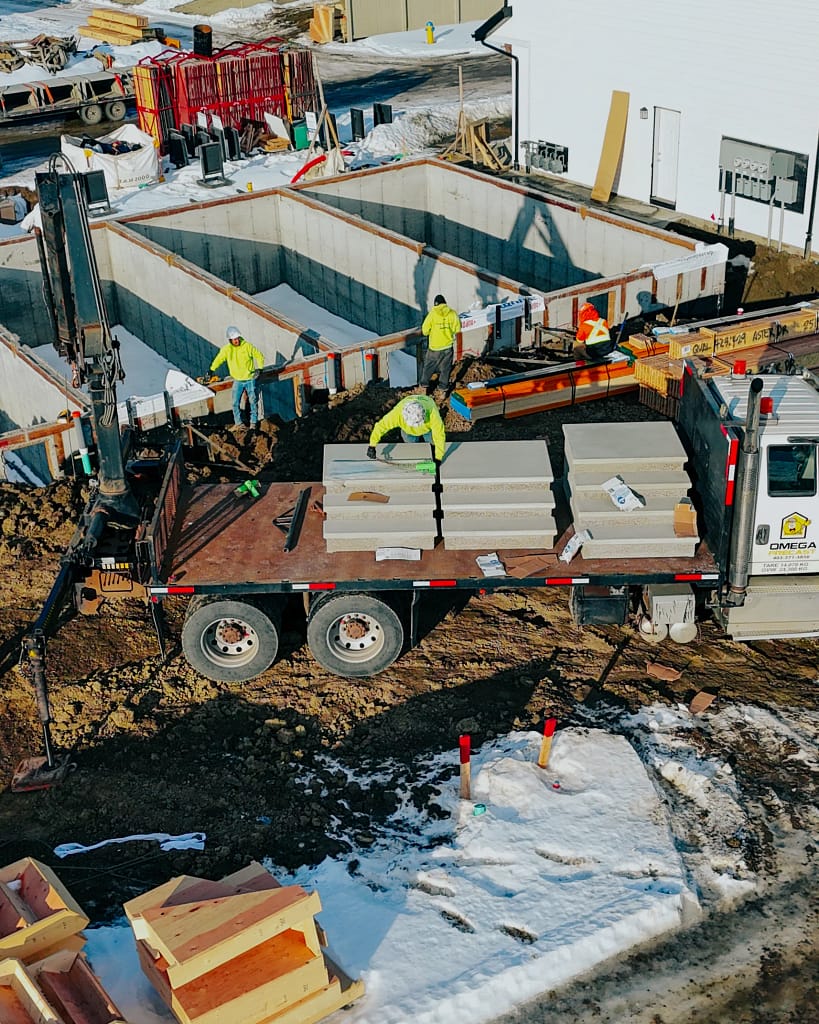
Average precast concrete cost varies widely depending on product type, project scale, and regional market conditions across Canada.. Precast concrete costs vary widely depending on the product type, project size, and specifications. In Canada, typical budgetary ranges include:
- Architectural wall panels: $45–$90 per square foot
- Structural precast elements: $1,000–$2,500 per cubic metre
- Precast stairs and landings: $3,000–$8,000 per unit
- Foundation or utility components: $1,500–$4,000 per unit
These figures generally include manufacturing and basic quality control but may exclude transportation, crane time, and installation. For accurate budgeting, precast should always be priced as a system rather than a single material line.
Regional Pricing Differences Across Canada
Geography plays a major role in precast concrete pricing. Projects in Western Canada may benefit from proximity to manufacturing facilities but face higher transportation costs for remote sites. In Central Canada, competition among precast producers can help stabilize pricing, while Atlantic projects may see higher logistics costs due to longer hauling distances.
Labour availability, local regulations, and climate conditions also influence pricing. For example, regions with shorter construction seasons often see greater value in precast because winter production can continue uninterrupted inside a plant.
Precast Manufacturing vs Installation Costs
Precast concrete cost is typically split into three main categories:
- Manufacturing: materials, molds, reinforcement, labour, curing, and QA/QC
- Transportation: hauling, permits, and scheduling
- Installation: crane time, rigging, and setting crews
While installation requires specialized equipment, it is usually faster and more predictable than site forming and pouring. Many projects find that higher manufacturing costs are offset by lower on-site labour and fewer weather-related delays.
Key Factors That Influence Precast Concrete Pricing
Design Complexity and Customization
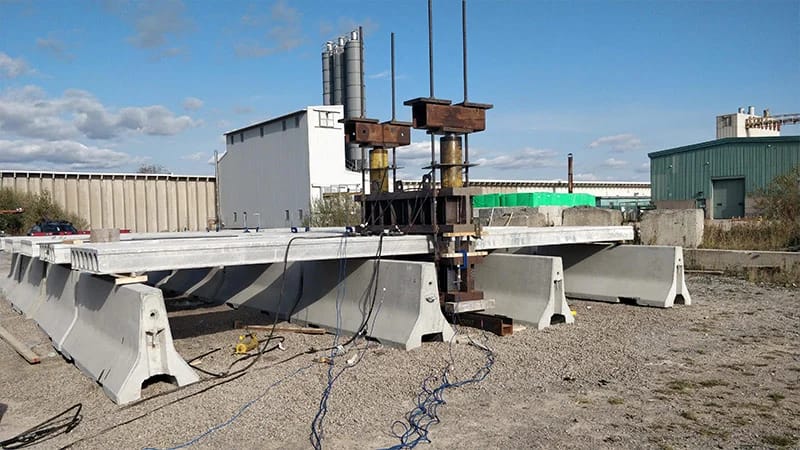
Simple, repetitive designs are the most cost-efficient for precast concrete. Custom shapes, architectural finishes, or complex embeds increase mold fabrication time and labour, which can raise unit costs. However, even highly customized precast elements often deliver better consistency and finish quality than site-poured alternatives.
Volume, Scale, and Repetition
Economies of scale play a major role in precast pricing. Projects with repeated components—such as multi-residential buildings or industrial facilities—benefit from reusable molds and streamlined production. As volume increases, the cost per unit typically decreases.
This is why precast is especially attractive for developers planning phased or multi-building projects.
Material Specifications
Concrete strength, reinforcement density, and specialty additives all affect cost. Higher-strength mixes, corrosion-resistant reinforcement, or architectural finishes increase material and production expenses but often reduce long-term maintenance and repair costs.
Logistics, Transportation, and Crane Time
Distance from the precast plant to the job site directly impacts transportation costs. Site access and crane selection also matter—tight urban sites or limited staging areas may require additional coordination, which should be factored into early budgeting.
Schedule and Lead Time
Precast concrete excels in schedule-driven projects. Because production can occur concurrently with site preparation, overall timelines are reduced. Faster schedules lower financing costs, minimize weather risk, and allow earlier building occupancy—financial benefits that often outweigh higher upfront pricing.
Precast Concrete vs Cast-In-Place Cost Comparison
Upfront Cost Comparison
At first glance, cast-in-place concrete often appears cheaper due to lower material costs. However, it typically requires more on-site labour, longer schedules, and higher exposure to weather delays. Precast shifts much of that labour into a controlled environment, where productivity and quality are higher.
Schedule and Labour Cost Savings
Reduced site labour is one of precast concrete’s biggest financial advantages. Fewer trades, less formwork, and faster installation mean lower labour risk—especially in markets where skilled labour is scarce or expensive.
Quality, Risk, and Rework Reduction
Plant-controlled production significantly reduces variability and defects. According to industry studies, rework costs can account for up to 5% of total construction budgets in traditional projects. Precast’s quality control processes help minimize this hidden expense.
Cost Comparison Table
| Cost Category | Precast Concrete | Cast-In-Place |
|---|---|---|
| Material Cost | Moderate to High | Low to Moderate |
| Labour Cost | Low | High |
| Schedule Duration | Shorter | Longer |
| Quality Risk | Low | Moderate to High |
| Total Lifecycle Cost | Lower | Higher |
Summary so far: Precast concrete cost cannot be evaluated on upfront pricing alone. When manufacturing efficiency, schedule savings, and risk reduction are considered, precast frequently delivers a lower total project cost and stronger long-term value.
Understanding Precast Concrete ROI
How Precast Concrete Delivers Long-Term Value
Return on investment (ROI) is where precast concrete truly separates itself from traditional construction methods. While initial pricing is important, ROI considers how precast affects the entire lifecycle of a project—from construction speed to long-term durability.
Precast concrete shortens construction schedules by allowing site work and component fabrication to happen simultaneously. Faster enclosure means interior trades can start earlier, projects reach completion sooner, and owners can generate revenue faster. For commercial and multi-residential developments, even a few weeks of schedule savings can translate into significant financial gains.
Lifecycle Cost Analysis: Looking Beyond Upfront Price
When evaluated over decades of use, precast concrete cost often proves lower than traditional cast-in-place systems due to reduced maintenance and longer service life. Lifecycle cost evaluates how a building performs over decades, not just during construction. Precast concrete excels in this area due to its durability, consistency, and resistance to weathering.
- Lower maintenance and repair costs due to dense, high-quality concrete
- Improved durability in harsh Canadian climates
- Reduced likelihood of cracking, spalling, or premature failure
- Longer service life compared to many cast-in-place applications
Studies by infrastructure and building authorities consistently show that higher-quality concrete systems reduce long-term ownership costs by minimizing repairs and extending service life.
ROI Example: Real-World Scenario
Consider a mid-rise commercial project requiring exterior wall systems. Using precast wall panels increased upfront structural costs by approximately 8%. However, the project achieved a six-week schedule reduction, reduced on-site labour by 30%, and eliminated winter protection costs.
When financing, labour savings, and early occupancy were factored in, the total project cost was lower than the cast-in-place alternative—resulting in a measurable ROI within the first year of operation.
Budget Planning for Precast Concrete Projects
How to Estimate Precast Costs Accurately
Accurate precast budgeting starts early. Involving a precast manufacturer during the design phase allows for realistic pricing, value engineering, and design optimization. Budget estimates should include manufacturing, transportation, crane time, and installation—not just unit costs.
Early collaboration also helps identify opportunities for repetition, standardization, and simplified details that reduce costs without compromising performance.
Hidden Costs to Watch For
While precast reduces many risks, certain factors can affect final pricing if not addressed early:
- Late-stage design changes that require new molds
- Restricted site access increasing crane or handling time
- Uncoordinated delivery schedules
- Incomplete embed or connection details
Clear communication and early coordination are the most effective ways to avoid these issues.
When Precast Saves the Most Money
Precast concrete delivers the strongest financial advantage in projects with tight schedules, repetitive components, labour shortages, or cold-weather constraints. In these scenarios, the predictability and speed of precast production provide measurable cost control.
Is Precast Concrete Worth the Cost?
When Precast Is the Best Financial Choice
Precast concrete is particularly well-suited for commercial, industrial, institutional, and multi-residential projects where quality, speed, and long-term durability are critical. It is also ideal for infrastructure and utility components requiring consistent performance and long service life.
When Cast-In-Place May Be More Suitable
Cast-in-place concrete may be a better option for very small, one-off elements, highly irregular shapes, or projects where transportation and crane access are severely limited. Even in these cases, hybrid solutions combining precast and cast-in-place can offer balanced cost and performance.
How Omega Precast Helps Control Cost and Maximize ROI
In-House Manufacturing and Quality Control
Omega Precast operates modern manufacturing facilities with strict quality control procedures. Controlled production environments ensure consistent strength, precise tolerances, and reliable finishes—reducing waste, rework, and delays.
Early Collaboration and Cost Engineering
By working with project teams early, Omega Precast helps identify cost-saving opportunities through design-assist and value engineering. This proactive approach allows budgets to be optimized before drawings are finalized, reducing surprises later in the project.
National Reach with Local Expertise
Serving projects across Canada, Omega Precast combines national logistics capability with local project knowledge. Efficient scheduling, coordinated deliveries, and responsive communication help keep projects on budget and on schedule.
Precast Concrete Cost FAQs
How much does precast concrete cost per square foot in Canada?
Precast concrete typically ranges from $45 to $90 per square foot, depending on design complexity, volume, and location.
Is precast concrete more expensive than poured concrete?
While upfront costs may be higher, precast often delivers lower total project and lifecycle costs due to reduced labour, faster schedules, and improved quality.
Does precast concrete reduce construction time?
Yes. Precast production can occur alongside site work, often reducing overall project schedules by several weeks.
When should precast pricing be included in a project?
Ideally during early design or schematic phases. Early pricing allows for accurate budgeting and design optimization.
Can precast concrete lower long-term maintenance costs?
Yes. High-quality, plant-produced concrete typically requires less maintenance and offers longer service life.
Final Thoughts: Building Smarter with Precast Concrete
Precast concrete cost should never be judged on upfront pricing alone. When speed, quality, risk reduction, and lifecycle performance are considered, precast often proves to be one of the most cost-effective construction solutions available.
With proper planning, early collaboration, and an experienced manufacturing partner, precast concrete becomes a strategic investment—not an added expense.
Ready to plan your project with confidence? Contact Omega Precast to request budget pricing, explore design-assist options, or evaluate whether precast concrete is the right solution for your next build.