
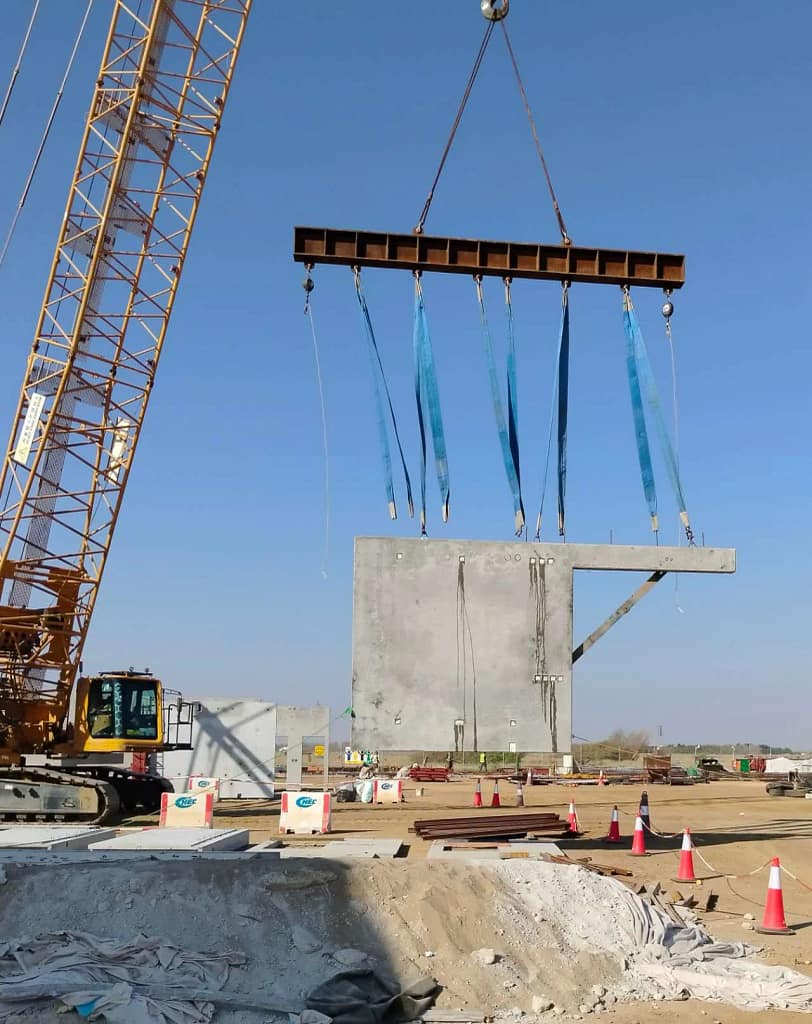
Selecting the right precast concrete supplier is one of the most important decisions you’ll make for any construction project—whether you’re building commercial facilities, municipal infrastructure, industrial structures, or residential developments. A reliable supplier ensures structural integrity, consistent quality, and on-time project delivery. A poor supplier, however, can cause delays, unexpected costs, safety risks, and long-term durability issues.
This guide gives you a practical, step-by-step checklist trusted by contractors, developers, and engineers across Canada. With real-world examples, expert insights, and quality standards, you’ll learn exactly what to evaluate before choosing a precast partner—and how a reputable manufacturer like Omega Precast can support your project from start to finish.
Why the Right Precast Concrete Supplier Matters
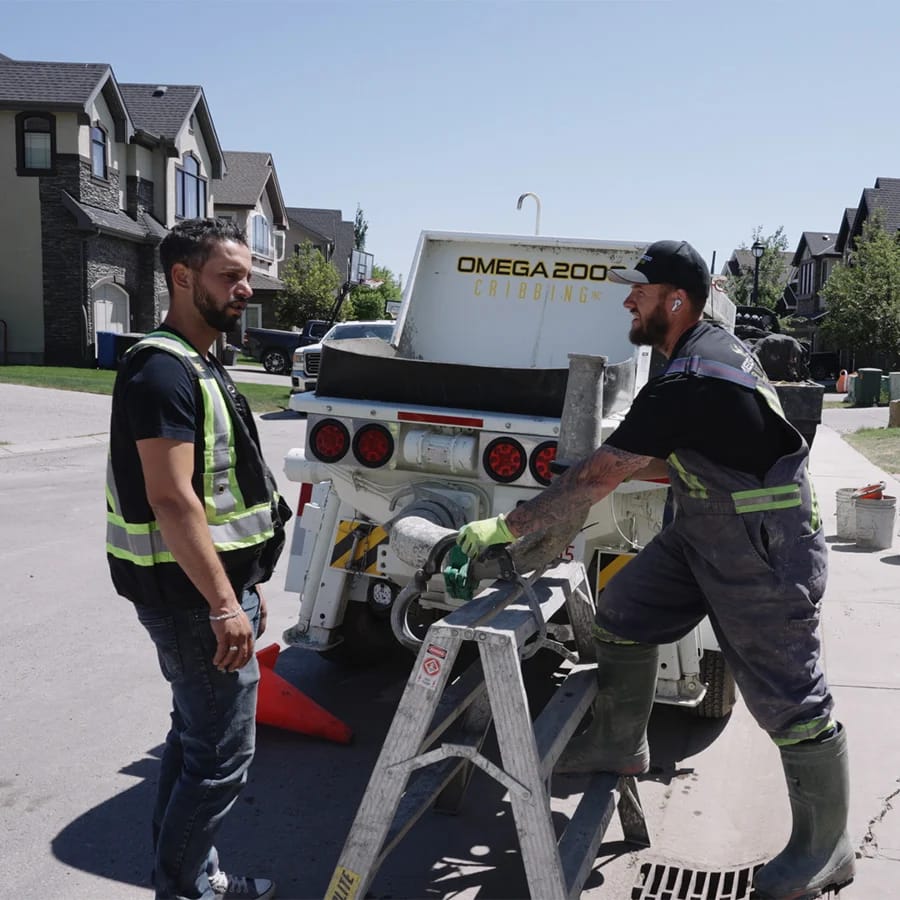
A precast supplier influences far more than just material cost. Their capabilities, production methods, and quality control systems will directly impact your project timeline, structural performance, and long-term maintenance costs—especially when comparing precast concrete vs cast-in-place construction methods.
Impact on Safety & Structural Performance
High-quality precast components can withstand harsh Canadian climates, heavy loads, and long-term wear. According to CSA A23.4 standards for precast concrete, manufacturers must follow strict curing, testing, and reinforcement guidelines to ensure structural safety.
Choosing a supplier with strong engineering expertise reduces risks such as:
- Premature cracking or spalling
- Weak compression strength
- Misaligned connections
- Structural instability under heavy or dynamic loads
“Quality precast doesn’t just save you money—it protects the entire lifecycle of your structure.” — Senior Structural Engineer, Western Canada
Impact on Cost Efficiency
Precast is widely chosen for its ability to reduce onsite labour and accelerate project timelines. But this benefit only works when the manufacturer has efficient production systems and reliable delivery schedules.
A dependable precast supplier offers:
- Lower overall labour costs
- Fewer delays due to weather or curing time
- Reduced site congestion
- Less rework thanks to accurate factory-controlled production
In contrast, poor manufacturing quality may lead to costly replacements or onsite adjustments—wiping out any savings.
Impact on Project Scheduling
Because precast is produced offsite, your project relies heavily on the supplier’s ability to deliver accurately and on time. Delayed deliveries or production bottlenecks can halt progress and cause chain reaction delays.
A trusted supplier provides:
- Realistic lead times
- Transparent production schedules
- Continuous communication and progress updates
- Delivery sequencing aligned with onsite workflow
Checklist #1 – Evaluate the Supplier’s Manufacturing Capabilities
The foundation of a good precast partnership is manufacturing strength. Not all precast plants have the same level of equipment, technology, or production capacity. Understanding what the supplier can produce—and at what scale—will help you determine if they’re the right fit.
Production Capacity & Facility Size
High-volume or complex projects require suppliers with large facilities, advanced equipment, and the ability to handle demanding schedules. Modern precast plants often include automated batching systems, controlled curing rooms, and precise reinforcement assembly areas.
Key factors to look for:
- Facility square footage and layout
- Automated or semi-automated production lines
- Capacity for large or custom moulds
- Ability to meet peak-season demand
Range of Precast Products Offered
A versatile supplier can provide standardized products as well as custom-engineered precast solutions. This ensures flexibility when adapting to different project types.
Common precast products include:
- Structural wall panels and slabs
- Beams, columns, and girders
- Precast stairs
- Utility vaults and precast manholes
- Retaining wall systems
- Architectural precast finishes
The more diverse the product line, the easier it becomes to streamline your project with a single supplier.
QC/QA Processes (Quality Control & Quality Assurance)
Reliable precast manufacturers follow strict quality control at every production stage. This ensures uniformity, strength, and dimensional accuracy—critical for safe installation and structural performance.
Look for suppliers that practice:
- Daily concrete mix testing
- Compressive strength tests
- Rebar and reinforcement inspections
- Dimensional verification and tolerance checks
- Controlled curing procedures
Questions to Ask Your Potential Supplier
- “What is your daily output capacity?”
- “Can you provide recent QC test results?”
- “Do you offer custom engineering and mould fabrication?”
- “How do you ensure dimensional accuracy in complex pieces?”
These evaluation steps will help you choose the right precast concrete supplier for your project in Canada.
Checklist #2 – Review Engineering & Technical Expertise
Precast is not just about manufacturing—it requires strong engineering knowledge to ensure safe load transfer, structural integrity, and smooth installation. A qualified precast supplier should have an experienced in-house engineering team that collaborates closely with contractors, architects, and project managers.
In-House Engineers & Drafting Team
A strong technical team can support your project with:
- 3D modelling and detailed shop drawings
- Load calculations and reinforcement design
- Connection detailing
- Structural optimization for cost and efficiency
Having engineers on staff also means faster revisions, better communication, and fewer delays during the design approval process.
Compliance With Local Standards
In Canada, high-quality precast suppliers must follow strict national and provincial guidelines. These standards ensure product safety, durability, and long-term performance.
Important standards include:
- CSA A23.4 – Precast Concrete Materials & Construction
- ASTM C150 / C618 – Cement and supplementary cementing materials
- Provincial Building Codes – Alberta, BC, Ontario, etc.
Suppliers who follow these standards demonstrate real commitment to engineering excellence.
Past Project Portfolio
A reputable precast supplier will showcase completed projects across multiple sectors. Reviewing their portfolio gives you insight into their capabilities, creativity, and consistency.
Strong portfolios often include:
- Industrial warehouses
- Commercial buildings
- Municipal water and utility structures
- Infrastructure and transportation projects
- Residential multi-family developments
If the supplier has worked on projects similar to yours, it’s a strong indicator of compatibility.
Working with an experienced precast concrete supplier ensures your structural design is optimized from the start.
These evaluation steps will help you choose the right precast concrete supplier for your project in Canada.
Checklist #3 – Evaluate Quality Standards & Certifications
Certifications are one of the fastest ways to evaluate whether a precast supplier meets—or exceeds—industry quality expectations. They prove the company follows strict manufacturing guidelines, conducts regular inspections, and maintains consistent production quality.
Third-Party Certifications
Look for recognized certifications such as:
- PCI Certified Plant (Precast/Prestressed Concrete Institute)
- ISO 9001 – Quality Management Systems
- CSA Certification
These third-party audits ensure that materials, production methods, and final products meet strict safety and performance standards.
Material Sourcing Transparency
Top suppliers are transparent about their material sourcing. They provide documentation for aggregates, cement, reinforcement, and admixtures—ensuring long-term durability and performance.
Durability Testing Records
Precast components must endure freeze-thaw cycles, moisture exposure, heavy loads, and extreme temperatures. Requesting recent durability test results will reveal the level of quality and consistency the manufacturer provides.
Red Flags to Avoid
- No documentation or test reports
- Inconsistent dimensions in previous projects
- Lack of an on-site QA manager
- Visible cracking or honeycombing in samples
These evaluation steps will help you choose the right precast concrete supplier for your project in Canada.
Checklist #4 – Assess Delivery, Logistics & Installation Support
Even the highest-quality precast components can cause costly issues if delivery and installation are not handled properly. A professional precast concrete supplier should provide safe transportation, predictable delivery schedules, and on-site installation support to keep your project running smoothly.
Fleet Capability
Reliable precast suppliers manage their own transport fleet or work with trusted logistics partners experienced in moving oversized loads. This ensures components arrive safely and on schedule.
- Heavy-duty flatbed trailers designed for long spans
- Mobile cranes for lifting larger precast elements
- Permits for oversized loads across Canadian provinces
- GPS tracking and delivery coordination
A strong logistics team ensures that each precast element—whether beams, panels, or utility structures—arrives without damage and exactly when needed.
Jobsite Coordination
A dependable supplier has a clear process for coordinating installation with your project manager or site superintendent. This includes:
- Delivery sequencing aligned with construction workflow
- Safe onsite handling procedures
- Onsite technical support or installation guidance
- Pre-installation meetings to confirm crane requirements
Good jobsite coordination reduces downtime, avoids miscommunication, and helps crews install components quickly and safely.
Lead Times & Scheduling Accuracy
Lead times vary depending on product type, project size, and season. Winter production, for example, may include controlled curing environments to prevent delays.
Top suppliers offer:
- Clear production timelines
- Transparent updates during manufacturing
- Realistic scheduling aligned with project milestones
- Contingency planning for weather or transport restrictions
Reliable delivery systems are one of the strongest indicators of a high-quality precast concrete supplier.
These evaluation steps will help you choose the right precast concrete supplier for your project in Canada.
Checklist #5 – Compare Pricing, Quotes & Transparency
Cost is always a major factor, but the cheapest precast concrete supplier isn’t always the best choice. Transparent pricing helps you understand what you’re paying for—and whether you’re receiving real value.
Price Breakdown to Request
A professional supplier provides itemized quotes that include:
- Raw material and manufacturing costs
- Custom engineering fees
- Mould fabrication costs
- Delivery charges
- Optional installation support
This level of detail helps you compare suppliers fairly and avoid unexpected expenses later.
Avoiding Hidden Fees
- Charges for design revisions
- Re-delivery fees
- Special lifting requirements not disclosed upfront
- Fuel surcharges or oversized load permits
Ensure everything is clearly outlined before signing a contract.
Cost vs Quality Comparison Table
| Criteria | High-Quality Supplier | Poor-Quality Supplier |
|---|---|---|
| Pricing Transparency | Detailed, itemized quote | Unclear, incomplete costs |
| Quality of Materials | Certified, tested materials | Low-cost, inconsistent materials |
| QC/QA Process | Regular strength testing & inspections | Minimal or no documented QC |
| Delivery Reliability | On-time, well-coordinated delivery | Frequent delays or scheduling issues |
| Engineering Support | In-house engineers & 3D modelling | Limited or outsourced support |
These evaluation steps will help you choose the right precast concrete supplier for your project in Canada.
Checklist #6 – Customer Support, Communication & Responsiveness
A top-tier precast concrete supplier provides clear communication from the first quote to project completion. Poor communication creates confusion, delays, and unnecessary cost.
Account Manager Availability
Look for a supplier who assigns a dedicated account manager. This ensures consistent, personalized updates and quick responses to questions or design revisions.
Response Time Standards
Professionals typically respond within 24–48 hours. During active projects, updates may be daily or weekly depending on production stages.
Project Updates & Reporting
Reliable suppliers offer:
- Progress reports during manufacturing
- Updated timelines if changes occur
- Clear communication during delivery and installation
These evaluation steps will help you choose the right precast concrete supplier for your project in Canada.
Checklist #7 – Reviews, Reputation & Case Studies
A precast supplier’s reputation is one of the strongest indicators of quality. Reviews, testimonials, and case studies reveal how well the company performs in real-world conditions.
Google Reviews & Independent Ratings
Look for consistent 4–5 star ratings, especially from contractors, engineers, and municipalities. Pay attention to comments about:
- Product quality
- Delivery timeliness
- Professionalism
- Customer service
Client Testimonials & References
Strong suppliers provide references and allow you to speak directly with past clients. This is especially useful for large municipal or commercial projects.
Government & Municipal Projects
If the supplier has experience with city infrastructure or public works, it demonstrates strong compliance with regulatory standards.
These evaluation steps will help you choose the right precast concrete supplier for your project in Canada.
Checklist #8 – Sustainability, Environmental Responsibility & Innovation
Modern construction increasingly values sustainability. Many contractors and developers actively seek suppliers who incorporate eco-friendly practices into their manufacturing processes.
Eco-Friendly Mix Designs
High-quality precast suppliers often use:
- GGBS (Ground Granulated Blast-Furnace Slag)
- Fly ash
- Recycled aggregates
- Low-carbon cement blends
Energy-Efficient Manufacturing
Energy-efficient curing systems and waste-reduction strategies reduce environmental impact while improving product consistency.
Recyclability of Materials
Many precast products can be recycled or repurposed at the end of their lifecycle, reducing long-term waste.
These evaluation steps will help you choose the right precast concrete supplier for your project in Canada.
How Omega Precast Delivers Industry-Leading Precast Solutions
At Omega Precast, we combine cutting-edge manufacturing technology with strong engineering expertise to deliver durable, high-performance precast products across Canada. From fast-turnaround commercial projects to complex municipal structures, our team provides end-to-end support—from design to delivery.
Advanced Manufacturing Facilities
Our facilities are equipped with modern batching systems, controlled curing environments, and high-capacity moulding areas, ensuring precision and efficiency.
Engineering Expertise
Our in-house engineering and drafting team provides detailed shop drawings, connection designs, 3D modelling, and load calculations for safe and seamless installation.
Canada-Wide Delivery
With a robust logistics network, we deliver precast components safely and on schedule to projects across Alberta, British Columbia, Saskatchewan, Manitoba, and beyond.
Request a Quote
Whether you’re building commercial facilities, utility structures, retaining systems, or municipal infrastructure, Omega Precast is ready to support your vision with industry-leading quality and service.
Conclusion – Choosing the Right Precast Supplier Sets Your Project Up for Success
A dependable precast concrete supplier plays a crucial role in the safety, durability, and efficiency of your construction project. By following this comprehensive checklist—covering manufacturing capabilities, quality control, engineering support, logistics, pricing, and sustainability—you can make a confident decision backed by real-world criteria.
Choosing the right precast concrete supplier directly impacts your project’s durability, cost efficiency, and long-term performance.
Call to Action
Ready to start your project? Contact Omega Precast today for a fast, accurate quote and expert guidance.
Explore Our Precast Services →
Frequently Asked Questions (FAQ)
What questions should I ask a precast supplier?
Ask about their production capacity, engineering capabilities, QC test results, delivery timelines, and relevant certifications.
How long does precast production take?
Production varies based on product type and project size. Standard items may take 2–4 weeks, while custom components may take 6–10 weeks.
What certifications should a precast manufacturer have?
Look for PCI, ISO 9001, CSA A23.4 compliance, and additional local building certifications.
What affects the cost of precast concrete?
Materials, custom moulds, labour, delivery distance, and complexity influence overall cost.
Is precast suitable for cold Canadian climates?
Yes. Precast is extremely durable and designed to withstand freeze-thaw cycles common across Canada, making it ideal for harsh environments.