
Last updated: August 6, 2026
To budget precast concrete for an Alberta multi-family project, account for element quantities and types, engineering and shop drawings, delivery and craning, installation labour, and contingency for site and weather. Planning total installed cost — not just material price — keeps multi-family budgets accurate and resilient.
Planning a multi-family build in West Springs or a major development in Inglewood? You know you need a budget that holds firm against Alberta’s tough economy and climate. Figuring out how to budget for precast concrete in multi-family Alberta projects isn’t about picking the cheapest option; it’s about understanding the true cost drivers and long-term value. Here’s exactly how to build a realistic and robust budget, from initial estimates to final savings.
Understanding Precast Concrete Costs
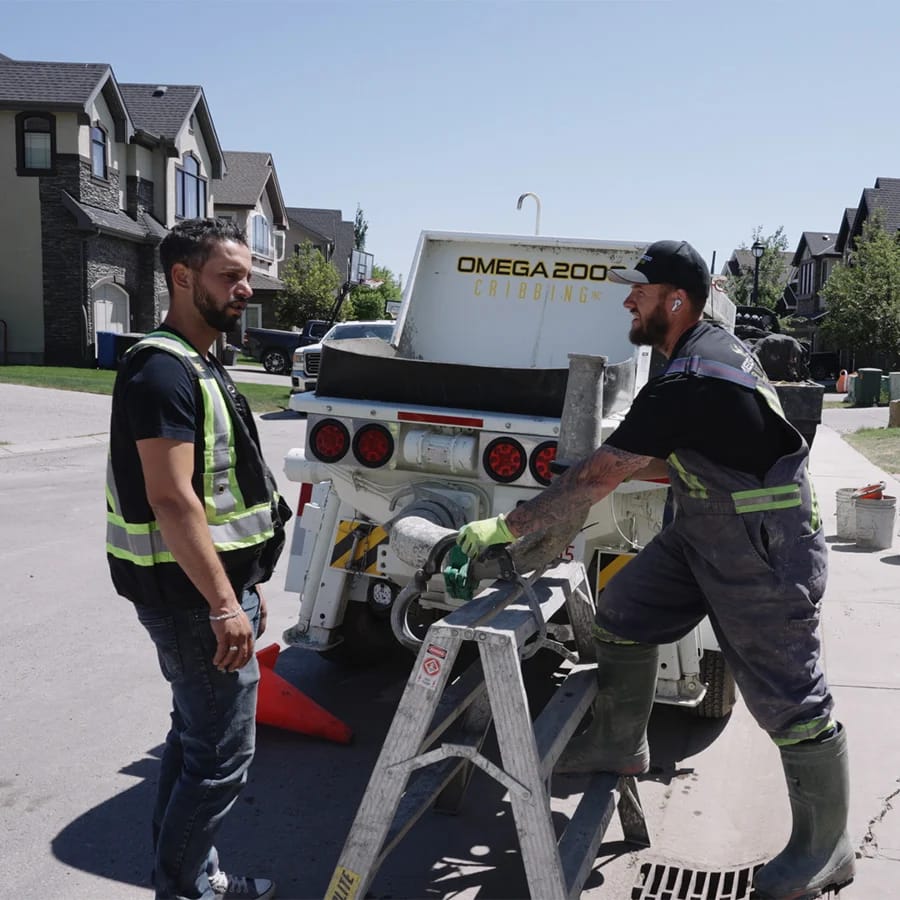
Start by shifting your mindset from just a material price to a total installed system cost. Precast concrete pricing isn’t a flat rate; it’s a dynamic equation that changes with your project’s specific needs and the regional market. This upfront clarity is what separates a smooth project from one riddled with change orders.
Local factors like Calgary’s seismic considerations and proximity to manufacturing plants have a real impact. Getting a handle on the common pricing metrics is your first step toward a budget that doesn’t have hidden surprises.
Cost per Square Foot
This is the most common metric you’ll hear, but it requires context. For standard architectural precast wall panels, expect a range of $45 to $85 per square foot, installed. That number encompasses the panel itself, basic finishes, structural connections, and crane installation.
The wide range reflects variables like panel thickness, insulation requirements, and facade complexity. A basic flat panel for a Beltline parkade will sit at the lower end, while a custom-textured panel for a high-end Quarry Park condo will command the higher price.
Cost per Cubic Yard
For structural components like beams, columns, and double-tees, the industry often quotes per cubic yard of concrete. This metric focuses more on the raw material volume and structural reinforcement. Prices typically range from $1,200 to $2,000 per cubic yard, manufactured and delivered to site.
This cost is highly sensitive to the complexity of the steel reinforcement cage and the use of high-performance concrete mixes. It’s a critical figure for your structural engineer and precast detailer to align on early in the design phase.
Cost Range by Product Type
Different precast elements have vastly different price points. Hollow-core floor and roof slabs are among the most cost-effective, often priced by the linear foot for quick installation. Architectural cladding panels are the premium option, where custom molds and intricate finishes drive the cost.
Parkade systems, a staple of multi-family builds, fall in the middle, balancing durability with repetitive, efficient production. Knowing which product types your project uses is key to building an accurate line-item budget.
Bottom line: always ask what’s included in a quoted price—manufacturing, delivery, crane time, and installation are separate budget lines.
Key Cost Components
To budget effectively, you need to dissect the total quote. A lump sum number is useless if you don’t know what it covers or what could change. Each component below represents a lever you can adjust to control your overall spend.
A detailed breakdown also gives you a powerful tool for comparing bids from different suppliers. You want to compare apples to apples, not a complete system to a bare-bones offer.
Material Costs
This isn’t just the concrete mix. Material costs include cement, aggregates, water, and the proprietary admixtures that give precast its strength and workability. Fluctuations in the global cement market or local aggregate supply can cause this line item to vary.
High-performance mixes for freeze-thaw durability, essential for our Calgary climate, will cost more than a standard mix. This is not an area to cut corners, as it directly impacts the longevity of your building envelope.
Manufacturing and Formwork Costs
The formwork—the mold into which concrete is poured—is a major upfront cost. Simple, reusable forms for repetitive elements like double-tees spread their cost over many units, keeping the per-piece price low.
Custom, one-off forms for unique architectural features are expensive. Every curve, reveal, or special texture requires engineered formwork that may only be used once. This cost is amortized into the price of those specific panels.
Steel Reinforcement and Admixtures
Steel rebar and prestressing strands are the skeleton of your precast components. The price and availability of steel are volatile, making this a significant variable cost. The complexity of the rebar cage, dictated by engineering loads, also affects labour during fabrication.
Chemical admixtures for faster curing, improved workability, or air-entrainment (vital for freeze-thaw resistance) add to the material cost but deliver essential performance benefits.
Transportation and Delivery Fees
This is where your project’s location in Alberta really matters. Transporting massive, heavy panels from the plant in Balzac or Airdrie to a site in downtown Calgary is one thing. Getting them to a project in Canmore or Cochrane involves different logistics, permits for oversized loads, and higher fuel costs.
These fees are typically calculated per load and per kilometre. Accurate site access planning can minimize costly delays or the need for additional crane moves on delivery day.
Labor and Installation Costs
This covers the skilled crew on site—the crane operator, ironworkers for connecting, and laborers for guiding and sealing. Union rates, project timelines, and site complexity (like tight urban sites near the Bow River) all influence this cost.
Efficient installation relies on perfect coordination between the delivery trucks and the crane. Delays due to weather or poor sequencing mean you’re paying a crew and crane to stand idle, which blows the budget quickly.
Equipment and Crane Expenses
The crane is often the single largest daily expense on site. You’re renting not just the machine, but the operator, fuel, and mobilization/demobilization. The size and reach of the crane needed for a 12-story tower in East Village is far greater than for a 4-story walk-up.
Specialized rigging, spreader beams, and lifting inserts are also part of this package. This is a fixed cost you must account for in your daily project schedule.
Sound familiar? A quote missing any of these components is a red flag for future budget overruns.
Factors Influencing Precast Costs in Alberta
Beyond the base components, regional and project-specific factors push your budget up or down. Alberta’s unique environment and market create a distinct cost landscape. Ignoring these factors is like budgeting for a garden shed when you’re building a fortress.
Project Size and Scale
Economies of scale are a huge advantage with precast. A 200-unit apartment complex allows the plant to optimize form use, batch concrete in huge volumes, and create efficient production runs. This significantly reduces the cost per unit compared to a 20-unit infill project.
The sheer volume also gives you more negotiating power with suppliers and installers. Your project’s scale is your biggest lever for achieving a competitive price per square foot.
Design Complexity and Customization
Simplicity saves money. A rectangular building footprint with standardized window openings and repetitive panels is the most cost-effective. Every deviation—curved walls, unique bay sizes, intricate rustication patterns—requires custom engineering and formwork.
Work with your architect and a local expert like Omega Precast during the design development phase. They can advise on how to achieve your aesthetic vision using more economical, standardized details.
Regional Market Conditions
The price of precast in Alberta is tied to the health of the construction sector. During a boom with multiple major projects vying for plant capacity, prices rise and lead times stretch. In a slower market, you may find more competitive pricing and faster scheduling.
Local competition between the handful of major precast suppliers in the Calgary region also affects pricing. Getting multiple detailed bids is not just a formality; it’s essential for market intelligence.
Panel Size and Finish Types
Larger panels mean fewer lifts, connections, and crane time, which can lower installation costs. However, they may require thicker cross-sections or more reinforcement to handle handling stresses, potentially increasing the manufacturing cost.
Finish type is a major cost driver. A standard off-the-form finish is included. Sandblasted, exposed aggregate, or painted finishes add $5-$15 per square foot. These choices are often value-engineered as the budget becomes clearer.
Your design decisions in the first 30 days set the cost trajectory for the entire project.
Upfront Costs vs. Long-Term Savings
Precast often has a higher initial price tag than some traditional methods. The real financial story, however, is told over the lifespan of the building. This is where the investment in quality and efficiency pays dividends for years, especially for rental or condo corporations.
Initial Investment Breakdown
The upfront premium pays for controlled factory production, faster enclosure of the building, and integrated insulation and finishes. You’re essentially paying for time and certainty. The cost is concentrated in the manufacturing and erection phases, with less spent on prolonged on-site labour.
This requires a different cash flow strategy. More capital is needed earlier to fund the panel production, but the overall project timeline—and therefore your financing costs—is significantly reduced.
Cost Savings Compared to Cast-in-Place
While cast-in-place might seem cheaper on a material basis, the hidden costs add up. You eliminate the need for on-site formwork, extensive concrete pumping, and the weather delays that plague Calgary’s short construction season. The reduction in on-site trades and sequencing conflicts is a massive saving.
For a project overlooking the Glenmore Reservoir, where weather can turn on a dime, the schedule certainty of precast is a direct financial benefit that offsets the upfront cost.
Time and Labor Reductions
Time is money, especially when carrying construction financing. Precast can cut months off the structural and enclosure phases. A building is weather-tight faster, allowing interior trades to start earlier and reducing heating costs during winter work.
You need fewer general labourers on site and reduce the complexity of site supervision. This labour efficiency is a hard cost savings that flows directly to your bottom line.
Durability and Maintenance Benefits
This is the long-term win. Precast concrete’s density and factory-cured quality make it exceptionally resistant to Calgary’s freeze-thaw cycles, moisture penetration, and corrosion. This translates to dramatically lower maintenance costs for the building envelope.
You’ll spend less on caulking repairs, paint, and dealing with water damage over the 50+ year life of the building. For a condo board or property manager, this predictable, low maintenance is a major selling point and a true cost-of-ownership saving.
Evaluating precast on initial cost alone misses 75% of its financial value.
Budgeting Strategies for Multi-Family Projects
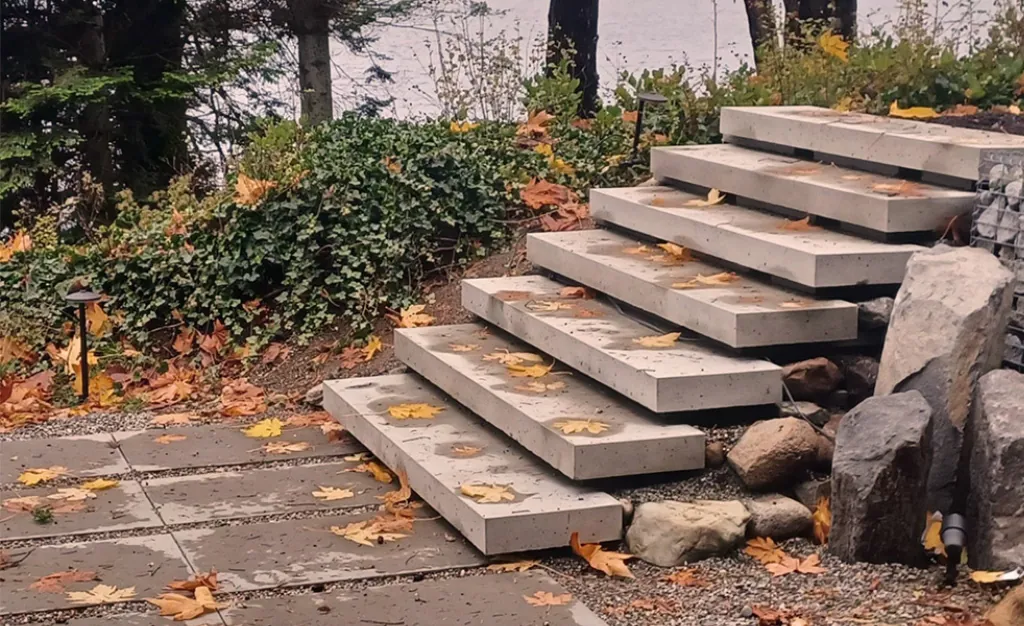
Now, let’s turn knowledge into action. A smart budget is a living document that anticipates reality. For a developer in McKenzie Towne or Seton, these strategies protect your profit margin and keep the project moving forward.
Accurate Cost Estimation Techniques
Move beyond rule-of-thumb pricing. Use historical data from similar local projects as a benchmark, but adjust for current market conditions. The most accurate estimates come from a preliminary design review with your precast supplier, who can provide budget pricing based on actual panel take-offs.
Build your estimate from the bottom up: quantify each element, apply current unit costs, and then add a clear contingency. This detailed approach reveals cost-saving opportunities early.
Avoiding Budget Overruns
The number one cause of overruns is late design changes. Lock in your architectural and structural drawings before the precast shop drawings begin. Every change after that point incurs re-drafting, possible formwork modification, and production re-scheduling fees.
Proactively manage your contingency fund. Allocate it clearly across risk categories (design, market, site conditions) rather than having one vague pot of money.
Fixed and Variable Overhead Costs
Understand what in your quote is fixed and what can vary. The panel manufacturing price is typically fixed once the shop drawings are approved. Variable costs are primarily site-related: crane time (if delayed), additional site labour for unforeseen conditions, and winter weather protection.
Your budget should clearly separate these. Negotiate fixed-price contracts for the manufacturing and erection scopes to maximize cost certainty.
Cash Buffer and Working Capital Needs
Precast requires a different cash flow. You’ll make progress payments during the fabrication phase, long before the panels arrive on site. Ensure your construction financing is structured to accommodate these early draws.
Maintain a cash buffer of 5-10% beyond your stated contingency for true, unpredictable emergencies. This working capital ensures a small problem doesn’t halt the entire project for lack of funds.
A robust budget isn’t just a spreadsheet; it’s your primary risk management tool.
Cost-Effectiveness in Large-Scale Projects
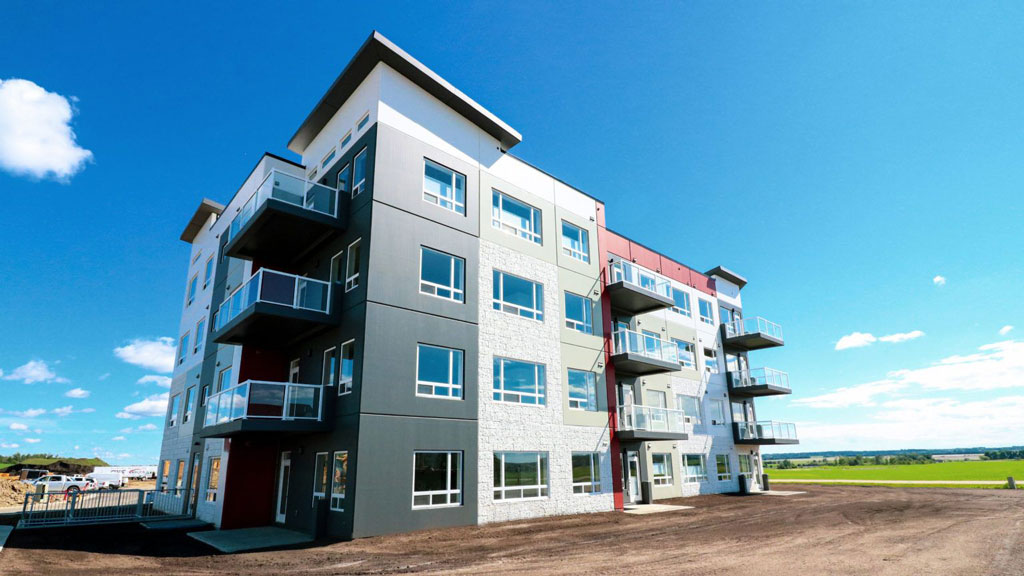
For large multi-family developments, precast shifts from a construction method to a strategic financial advantage. The cost-effectiveness scales exponentially, impacting not just construction but long-term ownership and asset value.
Lifecycle Cost Analysis
This is the gold standard for evaluating true cost. Lifecycle Cost Analysis (LCA) calculates the total cost of ownership over 30, 50, or 75 years. It factors in initial construction, maintenance, repairs, energy use, and eventual replacement.
Precast consistently wins in LCA models due to its durability, energy efficiency from integrated insulation, and minimal maintenance. Presenting an LCA can be powerful for securing financing or attracting equity partners focused on long-term yields.
ROI for Multi-Family Developments
Return on Investment for a developer comes from renting or selling units faster. Precast’s speed gets you to market quicker, allowing you to capture favourable rental rates or sales prices. It also reduces your interest payments on construction loans, directly boosting your profit margin.
The superior sound attenuation and fire resistance of precast concrete are marketable features that can justify premium rents or condo prices, further enhancing your ROI.
Precast vs. Traditional Methods
When running the numbers at scale, compare the full system. Versus steel stud and cladding, precast offers far better durability and fire performance. Versus tilt-up, it offers greater design flexibility and finer finish quality, important for high-amenity buildings.
The decision matrix should weigh speed, lifecycle cost, design goals, and your firm’s specific risk tolerance. For projects where schedule certainty and long-term asset quality are paramount, precast is often the most cost-effective choice over the full project lifecycle.
In large-scale development, the right choice isn’t the cheapest first cost—it’s the one that maximizes asset value and minimizes lifetime risk.
FAQ
What is the biggest budgeting mistake for precast in Alberta?
The biggest mistake is budgeting based on price per square foot alone without a detailed scope. A quote of $60/sq.ft. can be for a bare panel or a fully finished, installed system. The difference can be hundreds of thousands of dollars.
Always insist on a line-item breakdown that includes manufacturing, finishes, delivery to your specific site (considering routes like Deerfoot Trail for oversized loads), crane time, and installation labour. This transparency is non-negotiable.
How much contingency should I include in my precast budget?
For a well-defined multi-family project in Calgary, a 7-10% contingency is a prudent starting point. Allocate more (10-15%) if the site has known challenges, like tight access in an established neighbourhood like Hillhurst, or if the design is highly complex.
As the project progresses and risks are retired (e.g., after shop drawings are approved), you can formally reduce the contingency, improving your project’s financial picture.
Can I value-engineer precast to save money after design is complete?
Yes, but the earlier, the better. The most effective value engineering happens during the design development phase. Strategies include simplifying panel layouts, standardizing window opening sizes, selecting a more economical finish, or adjusting joint details.
Once shop drawings start, changes become costly. Partnering with your precast supplier during design is the single best way to bake value into the project from the start.
How does Alberta’s climate specifically affect the budget?
Our climate mandates higher-grade materials, which cost more. You must budget for air-entrained concrete mixes and specific cement types to withstand freeze-thaw cycles. This isn’t optional; it’s code and good practice.
It also affects the schedule. While precast reduces weather risk, you still need to budget for potential winter installation premiums, like heated enclosures for grouting and sealing operations during a cold snap.
Got a question specific to your project’s location or scale? A local expert can give you the precise numbers you need.
Conclusion
Budgeting for precast concrete in your Alberta multi-family project is a strategic exercise in understanding total value. It’s about balancing a known upfront investment with guaranteed schedule savings, lower lifetime maintenance, and a superior final product. The numbers make the most sense when you look at the entire financial picture, from groundbreaking to decades of ownership.
For developers and contractors in Calgary, from the urban core to emerging communities, this approach provides the cost certainty needed in a volatile market. It transforms precast from a line item into a competitive advantage.
Ready to build a budget based on real numbers and local expertise? The team at Omega Precast can provide a detailed, transparent cost analysis for your next multi-family development. Let’s make your project’s financial foundation as solid as the concrete itself.