
Last updated: August 5, 2026
Compared with traditional construction, precast concrete can lower total project cost despite similar or higher material prices. Off-site production runs parallel to site work, cutting schedule, labour, and weather-related delays. For many Alberta projects, faster completion and lower maintenance make precast the more cost-effective choice overall.
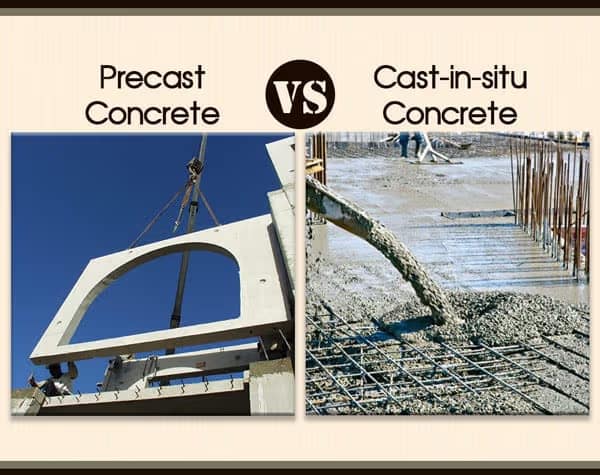
Construction costs across Canada have climbed steadily over the past decade. Rising labour rates, material volatility, tighter schedules, and unpredictable weather have forced developers and builders to rethink how projects are designed and delivered. One of the most important — and often misunderstood — decisions is whether to build using precast concrete or traditional on-site construction methods.
At first glance, traditional construction may appear cheaper. However, when labour, time, risk, rework, and long-term performance are factored in, the numbers often tell a very different story. This precast vs traditional construction cost comparison breaks down real costs at every stage of a project so you can make a confident, data-driven decision.
Drawing on industry data, real-world project experience, and best practices used by Canadian builders, this guide focuses on what truly impacts your bottom line — not just the initial price tag.
This precast vs traditional construction cost analysis focuses on total project cost, not just initial material pricing.
What Is Precast Construction?
Precast construction refers to a building method where concrete components are manufactured in a controlled facility and transported to the job site for installation. Unlike traditional on-site pours, precast elements are produced off-site under strict quality controls, then erected quickly using cranes.
How Precast Concrete Is Manufactured
Precast concrete is produced in specialized plants using reusable molds, engineered reinforcement, and controlled curing environments. This process allows for exceptional precision, consistency, and strength that is difficult to achieve on active construction sites.
- Concrete is poured into precision-engineered molds
- Steel reinforcement and embedded hardware are placed accurately
- Curing occurs in temperature- and humidity-controlled conditions
- Each unit undergoes quality inspections before shipping
According to industry research from the Canadian Precast/Prestressed Concrete Institute, plant-controlled manufacturing significantly reduces variability and defect rates compared to cast-in-place concrete.
Common Applications of Precast Construction
Precast construction is widely used across Canada in both structural and architectural applications, including:
- Precast stairs, landings, and balconies
- Structural wall panels and columns
- Parking structures and parkades
- Commercial and industrial buildings
- Multi-family residential developments
- Municipal and infrastructure projects
Because production occurs independently from site preparation, precast components can be manufactured while foundations and services are being completed — a key cost-saving advantage explored later in this article.
What Is Traditional Construction?
Traditional construction typically refers to methods where major structural elements are built entirely on-site. This includes cast-in-place concrete, masonry, wood framing, and steel framing systems. While these approaches remain common, they rely heavily on skilled labour availability, site conditions, and weather.
Cast-In-Place Concrete Explained
Cast-in-place concrete is poured directly on the job site into temporary formwork. Reinforcement is placed manually, and the concrete cures in open-air conditions. This method is widely used but introduces several cost variables.
- Formwork must be built, stripped, and often discarded
- Weather directly affects curing and schedule
- Quality depends on site workmanship and supervision
While cast-in-place concrete can work well for certain custom or small-scale projects, it often results in higher labour demands and increased schedule risk on larger developments.
Other Traditional Construction Methods
Beyond concrete, traditional construction may involve:
- Wood framing for low-rise residential buildings
- Structural steel for commercial and industrial projects
- Masonry systems for exterior walls
Each method carries its own cost profile, but all share a reliance on on-site labour coordination and sequencing — a growing challenge in today’s Canadian construction market.
Upfront Construction Cost Comparison
When evaluating precast vs traditional construction cost, upfront pricing alone rarely reflects the true financial impact of each construction method. In reality, upfront costs are influenced by a combination of materials, labour, equipment, and waste.
Material Costs
Precast concrete components are typically priced as complete, finished products. This includes concrete, reinforcement, embeds, and quality control. Traditional construction materials may appear less expensive initially but often require additional materials for formwork, patching, and finishing.
Material cost considerations include:
- Precast minimizes material waste through reusable molds
- Traditional methods often generate excess waste and over-ordering
- Precast pricing is predictable and locked in earlier
In volatile markets, predictable pricing reduces exposure to sudden material price increases — a growing concern cited by the Cement Association of Canada.
Labour Costs
Labour is one of the most significant cost drivers in Canadian construction. Precast construction dramatically reduces on-site labour requirements by shifting work to controlled manufacturing facilities.
- Smaller crews required on-site
- Shorter installation durations
- Reduced dependence on scarce skilled trades
By contrast, traditional construction demands larger crews for longer periods, increasing exposure to labour shortages, overtime costs, and productivity losses.
Equipment and Formwork Costs
Traditional construction relies heavily on temporary formwork systems, scaffolding, and prolonged equipment rentals. These costs are often underestimated during early budgeting stages.
Precast construction shifts much of this expense to efficient crane picks during installation, significantly reducing:
- Formwork material and labour
- Extended equipment rental periods
- On-site congestion and safety risks
Construction Timeline and Schedule Impact on Cost
Time is money in construction. Delays increase financing costs, extend general conditions, and postpone revenue generation. This is where precast construction delivers one of its most powerful cost advantages.
Precast Construction Speed Advantages
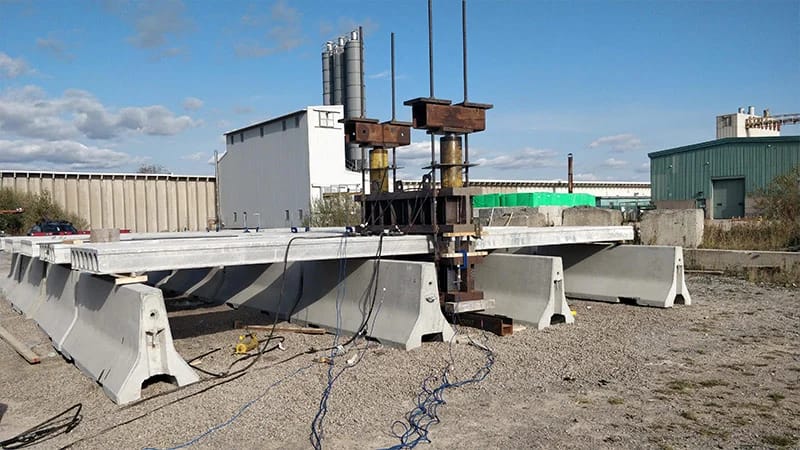
Because precast components are manufactured off-site, production can run in parallel with excavation, foundations, and utility work. Once delivered, installation is fast and highly predictable.
- Shorter overall project schedules
- Reduced weather-related delays
- Earlier enclosure of buildings
Industry studies show that precast systems can reduce structural schedules by 20–40% compared to traditional methods on comparable projects.
Traditional Construction Timeline Risks
Traditional construction is highly sensitive to external conditions. Weather delays, labour shortages, and sequencing conflicts can quickly derail schedules.
Common delay risks include:
- Cold-weather concrete placement restrictions
- Trade stacking and coordination issues
- Extended curing times
According to data published by the Conference Board of Canada, construction delays contribute significantly to cost overruns on large Canadian projects, often exceeding initial estimates by double-digit percentages.
In the next section, we’ll examine how quality control, rework, and long-term performance further influence the true cost difference between precast and traditional construction.
Quality Control, Rework, and Hidden Cost Risks
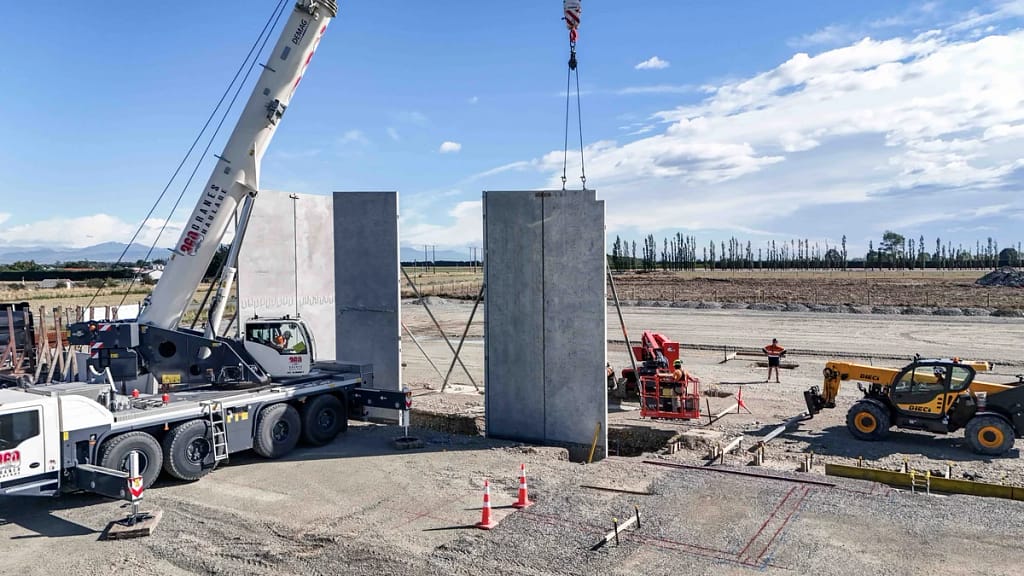
Beyond upfront pricing and schedule, construction quality plays a major role in total project cost. Deficiencies, rework, and premature repairs can quietly erode budgets long after construction is complete. This is an area where precast construction consistently outperforms traditional methods.
Quality Consistency in Precast Manufacturing
Precast concrete is manufactured under tightly controlled conditions, allowing producers to monitor mix design, curing, reinforcement placement, and dimensional tolerances with precision. This consistency translates directly into fewer defects and lower risk on site.
- Controlled curing improves strength and durability
- Precision molds ensure dimensional accuracy
- Embedded connections are factory-installed and inspected
For owners and developers, this means fewer surprises during installation and significantly reduced punch-list items at project closeout.
Rework Risks in Traditional Construction
Traditional on-site construction is far more vulnerable to variability. Weather changes, rushed pours, labour turnover, and site congestion all increase the likelihood of errors.
Common hidden costs include:
- Concrete repairs and surface patching
- Alignment and tolerance corrections
- Delays caused by failed inspections
While these issues may appear minor individually, collectively they can add substantial unplanned costs to a project — costs that are rarely captured in initial estimates.
Long-Term Lifecycle Cost Comparison
The true value of any construction method becomes clear over time. Lifecycle cost analysis considers not only construction expenses, but also maintenance, repairs, energy performance, and service life.
Over time, the precast vs traditional construction cost difference becomes more pronounced as maintenance, repairs, and energy performance are factored in
Durability and Maintenance Costs
Precast concrete is known for its long-term durability. Dense concrete, controlled curing, and consistent reinforcement placement result in structures that resist cracking, moisture intrusion, and freeze-thaw damage — a critical factor in Canada’s climate.
- Lower repair frequency over the building’s lifespan
- Reduced risk of water ingress and corrosion
- Extended service life compared to many traditional systems
Traditional construction methods often require more frequent maintenance, particularly in harsh weather conditions where on-site concrete quality can vary.
Energy Efficiency and Thermal Performance
Many modern precast systems incorporate insulation and thermal breaks directly into wall panels. This improves building envelope performance and reduces long-term operating costs.
Benefits include:
- Improved air tightness
- Lower heating and cooling demands
- Greater consistency in thermal performance
Over decades of operation, these energy savings can exceed initial construction cost differences.
Asset Value and Longevity
Buildings constructed with precast concrete often retain higher long-term value due to their durability and reduced maintenance requirements. For owners planning to hold assets long-term, this can significantly improve total return on investment.
Precast vs Traditional Construction Cost Comparison Table
| Cost Factor | Precast Construction | Traditional Construction |
|---|---|---|
| Initial material cost | Medium | Low to Medium |
| Labour cost | Low | High |
| Construction speed | Fast | Slow |
| Weather risk | Minimal | High |
| Rework risk | Low | Medium to High |
| Maintenance cost | Low | Medium |
| Lifecycle cost | Lowest overall | Higher over time |
When Precast Construction Is More Cost-Effective
While precast is not a one-size-fits-all solution, it consistently delivers cost advantages for certain project types and conditions.
Ideal Use Cases for Precast
- Projects with repetitive or modular designs
- Tight construction schedules
- Regions with labour shortages
- Cold-weather or short construction seasons
- Projects prioritizing long-term durability
In these scenarios, the reduced risk, faster delivery, and lifecycle savings of precast often outweigh slightly higher upfront material costs.
When Traditional Construction May Be the Right Choice
Traditional construction methods can still make sense for specific situations, particularly where flexibility and customization are critical.
Situations Favoring Traditional Methods
- Highly customized one-off designs
- Small residential projects
- Sites with limited crane access
- Projects where speed is not a priority
Understanding these trade-offs helps owners select the most cost-effective solution based on project goals rather than assumptions.
Canadian Construction Cost Considerations
Construction costs in Canada are influenced by factors beyond materials and labour alone. Climate, geography, and market conditions all play a role.
Climate and Seasonal Impacts
Cold weather presents significant challenges for traditional on-site concrete placement. Precast manufacturing mitigates these risks by moving production indoors, allowing projects to proceed year-round with fewer delays.
Labour Market Pressures
Skilled labour shortages across Canada continue to drive wages upward. By reducing on-site labour requirements, precast construction helps stabilize project budgets in an increasingly competitive labour market.
Real-World Cost Comparison Example
Consider a mid-rise commercial building requiring structural walls, stairs, and floor systems.
- Traditional construction: Longer schedule, larger crew sizes, higher weather risk, and increased general conditions costs
- Precast construction: Parallel manufacturing, faster erection, reduced labour, and earlier building enclosure
While the precast option may carry a modest increase in upfront component cost, total project savings are often realized through schedule compression and reduced risk exposure.
Why More Canadian Builders Are Choosing Precast
Across Canada, builders and developers are increasingly turning to precast as a strategic response to rising costs and uncertainty.
- Predictable pricing and schedules
- Reduced exposure to labour shortages
- Improved quality and durability
- Lower total cost of ownership
These advantages make precast a compelling choice for projects where cost certainty and long-term value matter.
Frequently Asked Questions
Is precast construction more expensive than traditional construction?
Precast may appear more expensive upfront, but total project and lifecycle costs are often lower due to reduced labour, faster schedules, and lower maintenance.
How much faster is precast construction?
Depending on the project, precast systems can reduce structural schedules by 20–40% compared to traditional methods.
Does precast reduce labour costs?
Yes. Precast shifts much of the labour to controlled manufacturing environments, reducing the need for large on-site crews.
Is precast suitable for residential construction?
Precast is commonly used in multi-family and townhouse developments and is increasingly adopted in high-end residential projects.
How long does precast concrete last?
Properly designed and manufactured precast concrete structures can last well over 50 years with minimal maintenance.
Final Verdict: Which Construction Method Is More Cost-Effective?
When evaluating precast vs traditional construction cost, the answer depends on how cost is defined. If cost is measured only at the material level, traditional construction may seem less expensive. However, when labour, time, risk, durability, and lifecycle performance are considered, precast construction frequently delivers superior value.
For Canadian projects facing labour shortages, tight schedules, and long-term ownership goals, precast is often the more cost-effective solution.
Overall, this precast vs traditional construction cost analysis shows that precast systems often outperform traditional construction in total cost of ownership for Canadian projects.
From a total cost perspective, this precast vs traditional construction cost comparison shows that precast often delivers stronger long-term value for Canadian projects.
Start Your Precast Cost Comparison with Omega Precast
At Omega Precast, we help builders and developers across Canada evaluate the true cost of precast versus traditional construction. Our experienced team provides transparent pricing, engineering support, and reliable delivery to keep projects on schedule and on budget.
Contact Omega Precast today to request a project-specific cost comparison and discover how precast can reduce risk and maximize long-term value.