
Last updated: August 6, 2026
Precast concrete is made by casting and curing concrete elements in a factory, then delivering them to site for installation. For Alberta builders facing short seasons and freeze-thaw cycles, precast means year-round production, predictable schedules, and durable, quality-controlled components — a faster, more consistent alternative to cast-in-place concrete.
Alberta builders are under more pressure than ever. Short construction seasons, extreme freeze-thaw cycles, labour shortages, and tighter project timelines all demand smarter building solutions. Traditional cast-in-place concrete still has its place—but it isn’t always the most efficient, consistent, or predictable option. That’s where precast concrete comes in.
If you’ve ever dealt with weather delays, inconsistent finishes, or site congestion during concrete pours, you’re not alone. Precast concrete was developed to solve exactly these problems. In this guide, we’ll break down what precast concrete is, how it’s made, and why it has become a preferred construction method for builders across Alberta and Canada.
This article is written specifically for contractors, developers, engineers, and decision-makers who want practical, real-world insight—not marketing fluff. By the end, you’ll have a clear understanding of whether precast concrete is the right fit for your next project.

What Is Precast Concrete?
Precast Concrete Explained in Simple Terms
Precast concrete is concrete that is poured, cured, and finished in a controlled manufacturing facility instead of being poured directly on a construction site. Once the concrete reaches its required strength, the finished components are transported to the job site and installed using cranes or lifting equipment.
Unlike traditional concrete work that depends heavily on weather conditions and on-site labour, precast concrete is produced indoors under strict quality controls. This allows for greater consistency, higher strength, and faster project timelines.
Common precast concrete elements include walls, panels, beams, columns, stairs, slabs, manholes, and other structural or architectural components.
Precast Concrete vs Cast-In-Place Concrete
The key difference between precast concrete and cast-in-place concrete lies in where and how the concrete is produced.
- Precast concrete is manufactured in a plant, cured under controlled conditions, and delivered ready to install.
- Cast-in-place concrete is poured directly on-site, formed, finished, and cured outdoors.
For Alberta builders, this distinction matters. Weather fluctuations, temperature swings, and site access can all negatively impact cast-in-place pours. Precast minimizes those risks by shifting critical work off-site.
According to industry data from the Canadian Precast/Prestressed Concrete Institute, factory-controlled concrete production can reduce defects and rework by up to 30% compared to site-poured methods—saving both time and money over the life of a project.
How Precast Concrete Is Made: Step-by-Step Manufacturing Process
Design & Engineering Phase
Every precast concrete project starts with design coordination. Engineers and precast specialists work closely with builders to develop shop drawings that match structural requirements, load conditions, and installation logistics.
This phase is critical. Proper up-front design ensures that precast elements fit precisely on site, reducing delays and change orders. In Alberta, where winter installation windows can be tight, accurate design is often the difference between staying on schedule or losing weeks.
Design considerations typically include:
- Structural loads and reinforcement requirements
- Connection points and embeds
- Lifting and rigging details
- Architectural finishes and tolerances
Forming & Reinforcement
Once designs are approved, production begins with formwork. Steel or custom-built forms are cleaned, prepared, and set to exact dimensions. Unlike site-built forms, plant forms are reused repeatedly, ensuring dimensional consistency from piece to piece.
Reinforcement—such as rebar cages, welded wire mesh, or prestressing strands—is then placed inside the forms. Embedded hardware, lifting anchors, and connection plates are installed at this stage to ensure seamless installation later.
This controlled setup significantly reduces human error and ensures every component meets engineering specifications.
Concrete Pouring & Finishing
High-quality concrete mixes are batched precisely to meet strength, durability, and exposure requirements. For Alberta applications, mixes are often designed to resist freeze-thaw cycles, de-icing salts, and moisture penetration.
Concrete is poured into the forms and mechanically vibrated to eliminate air pockets and achieve full consolidation. Finishes can range from smooth architectural surfaces to textured or exposed aggregate, depending on the project’s needs.
Because all of this happens indoors, finish quality is consistent—something that’s nearly impossible to guarantee with outdoor pours during unpredictable weather.
Curing, Stripping & Quality Control
After pouring, precast concrete is cured under controlled temperature and humidity conditions. This allows the concrete to gain strength efficiently and evenly.
Once the required strength is reached, the forms are stripped, and each piece undergoes inspection. Quality control checks typically include:
- Dimensional accuracy
- Surface finish inspection
- Concrete strength testing
- Verification of embedded hardware placement
Most Canadian precast facilities follow CSA A23.4 standards, ensuring components meet nationally recognized performance and durability benchmarks.
Transportation & On-Site Installation
Finished precast elements are carefully loaded and transported to the job site. Because components arrive ready to install, site work is streamlined. Cranes lift each piece into place, where it is secured using pre-designed connections.
For builders, this means fewer trades on site, reduced congestion, and faster enclosure of the building—especially valuable during Alberta’s colder months.

Key Benefits of Precast Concrete for Alberta Builders
Faster Construction Timelines
One of the biggest advantages of precast concrete is speed. While site preparation and foundations are underway, precast components are manufactured simultaneously. This parallel workflow can shave weeks—or even months—off a project schedule.
Real-world example: industrial and commercial projects using precast structural systems often see schedule reductions of 20–40% compared to traditional cast-in-place construction.
Many Alberta projects rely on precast wall systems for rapid enclosure and durability. You can learn more about panel options, finishes, and use cases in our guide to precast concrete wall panels and their applications.
Superior Quality & Consistency
Factory production eliminates many variables that affect on-site concrete quality. Temperature, moisture, and curing conditions are tightly controlled, resulting in stronger, more uniform concrete.
This consistency translates into fewer repairs, better finishes, and improved long-term performance.
Durability in Alberta’s Climate
Alberta’s harsh freeze-thaw cycles demand durable building materials. Precast concrete is designed to withstand these conditions through controlled curing, optimized mix designs, and rigorous testing.
When properly manufactured, precast concrete structures can last 50 to 100 years with minimal maintenance—making them a smart long-term investment.
Cost Efficiency Over the Project Lifecycle
While precast concrete may appear more expensive upfront, lifecycle costs often tell a different story. Reduced labour, faster schedules, fewer delays, and lower maintenance needs contribute to overall cost savings.
Builders also benefit from predictable pricing, as precast production reduces exposure to weather-related cost overruns.
Improved Site Safety
With less formwork, pouring, and finishing happening on-site, overall jobsite risk is reduced. Shorter on-site durations and fewer workers mean safer working conditions and fewer safety incidents.
Up next: In the second half of this guide, we’ll explore common precast applications in Alberta, compare precast to cast-in-place concrete side by side, break down costs, answer frequently asked questions, and show why many builders across Canada partner with Omega Precast.
For a deeper breakdown of how precast concrete improves speed, quality control, and long-term value on large-scale builds, explore our detailed guide on the benefits of precast concrete for commercial construction.

Common Precast Concrete Applications in Alberta & Canada
Precast concrete is one of the most versatile construction materials available today. Alberta builders use precast across a wide range of sectors because it delivers structural reliability, speed, and design flexibility in demanding environments.
Structural Precast Components
Structural precast forms the backbone of many commercial, industrial, and institutional buildings. These components are engineered to carry loads efficiently while speeding up construction.
- Load-bearing wall panels
- Beams and girders
- Columns and pilasters
- Precast floor and roof slabs
For warehouses, distribution centres, and manufacturing facilities across Alberta, structural precast allows rapid enclosure and long clear spans—ideal for operational flexibility.
Architectural Precast Concrete
Architectural precast combines structure with aesthetics. Builders and architects use it to achieve high-end finishes without sacrificing durability.
- Building façades and cladding panels
- Textured, coloured, or exposed aggregate finishes
- Decorative features and entrance elements
Because finishes are applied in a controlled plant environment, architectural precast delivers consistent visual quality that’s difficult to replicate on-site.
Civil & Infrastructure Precast
Municipalities and civil contractors rely heavily on precast for underground and infrastructure projects due to its strength and reliability.
- Manholes and catch basins
- Utility vaults and valve chambers
- Culverts and retaining wall systems
Precast infrastructure components are built to tight tolerances, reducing installation time and minimizing disruption to surrounding areas.
Industrial, Agricultural & Specialty Uses
In Alberta’s industrial and agricultural sectors, precast concrete is often chosen for its durability and low maintenance requirements.
- Agricultural buildings and feed systems
- Equipment foundations
- Sound walls and safety barriers
These applications benefit from precast’s resistance to impact, chemicals, and harsh environmental conditions.
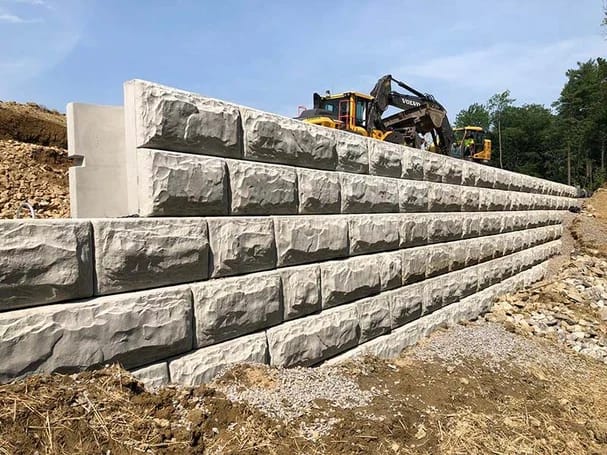
Precast Concrete vs Cast-In-Place Concrete: Builder Comparison
Choosing between precast concrete and cast-in-place concrete depends on project goals, timelines, and site conditions. The table below highlights key differences that matter most to builders.
| Factor | Precast Concrete | Cast-In-Place Concrete |
|---|---|---|
| Construction Speed | Fast installation, parallel production | Slower, sequential on-site work |
| Weather Dependency | Minimal impact | Highly weather-dependent |
| Quality Control | Factory-controlled, consistent | Variable, site-dependent |
| Labour Requirements | Reduced on-site labour | Labour-intensive |
| Lifecycle Durability | Excellent long-term performance | Depends on site conditions |
When Precast Concrete Is the Better Choice
Precast concrete is particularly well-suited for:
- Projects with aggressive schedules
- Cold-weather or winter construction
- Remote or logistically challenging sites
- Repetitive or modular building designs
For many Alberta builders, precast reduces risk by removing uncertainty from critical construction stages.
Precast Concrete Standards & Quality Control in Canada
CSA Standards & Compliance
In Canada, precast concrete manufacturing is governed by CSA A23.4, which outlines requirements for materials, production, testing, and tolerances. Compliance ensures structural safety, durability, and consistent performance.
If you’re unfamiliar with technical terms such as prestressing, embeds, or load paths, our precast construction glossary for builders provides clear, plain-language definitions.
Plant-Based Quality Control Systems
Precast plants operate under formal quality control programs that include:
- Routine concrete strength testing
- Dimensional verification
- Inspection of reinforcement and embeds
- Documentation and traceability
These systems provide builders with confidence that components will perform as designed—without surprises on site.
Why Quality Control Matters for Builders
Consistent quality reduces callbacks, warranty issues, and structural risks. As one structural engineer quoted in industry publications notes:
“Factory-produced precast concrete removes many of the variables that cause failures in site-poured construction.”
How Much Does Precast Concrete Cost in Alberta?
Key Cost Factors
Precast concrete pricing varies based on several factors:
- Component size and complexity
- Volume and repetition
- Transportation distance
- Installation requirements
Upfront Cost vs Lifecycle Value
While precast may carry a higher initial cost than some site-poured options, lifecycle costs are often lower. Faster project completion, reduced labour, and minimal maintenance can significantly improve overall project economics.
How Builders Can Optimize Precast Costs
Early collaboration with a precast manufacturer allows builders to optimize designs, standardize components, and reduce production costs—maximizing value without sacrificing performance.

Why Alberta Builders Choose Omega Precast
Canadian Precast Manufacturing Expertise
Omega Precast serves builders across Canada with a deep understanding of regional construction challenges, including Alberta’s climate, logistics, and regulatory requirements.
Modern Equipment & Skilled Production Team
With modern precast facilities and experienced technicians, Omega Precast delivers consistent, high-quality components that meet demanding project specifications.
Reliable Scheduling & Prompt Delivery
Builders depend on predictable timelines. Omega Precast’s plant-based production and coordinated logistics help keep projects moving—on time and on budget.
Custom & Standard Precast Solutions
From structural and architectural elements to civil and specialty components, Omega Precast provides tailored solutions that integrate seamlessly into your project.
Frequently Asked Questions About Precast Concrete
Is precast concrete suitable for Alberta’s cold climate?
Yes. Precast concrete is specifically engineered to withstand freeze-thaw cycles and harsh weather conditions common in Alberta.
How long does precast concrete last?
Properly manufactured precast concrete can last 50 to 100 years or more with minimal maintenance.
Can precast concrete be customized?
Absolutely. Precast can be customized in shape, size, finish, colour, and structural capacity.
Does precast reduce on-site labour?
Yes. Most labour-intensive work happens in the plant, significantly reducing on-site manpower needs.
Is precast concrete environmentally friendly?
Precast supports sustainability through reduced waste, efficient material use, and long service life.
Conclusion: Is Precast Concrete Right for Your Next Project?
For Alberta builders facing tight schedules, challenging weather, and rising labour costs, precast concrete offers a proven, reliable solution. Its speed, durability, quality control, and long-term value make it an increasingly popular choice across commercial, industrial, and civil construction.
By understanding how precast concrete is made, where it performs best, and how it compares to traditional methods, builders can make confident, informed decisions that reduce risk and improve project outcomes.
Talk to Omega Precast About Your Project
If you’re planning a new build or exploring alternatives to cast-in-place concrete, Omega Precast is ready to help. Our team works closely with builders, engineers, and developers to deliver high-quality precast solutions—on time and built to last.
Contact Omega Precast today to discuss your project requirements and discover how precast concrete can streamline your next build.