
Last updated: August 6, 2026
Precast concrete logistics covers scheduling, transport, and on-site lifting of large, heavy elements. Success depends on route and load planning, proper sequencing, crane access, and just-in-time delivery so panels are set as they arrive. Poor logistics causes damage, delays, and added cost — making experienced coordination essential.
Precast concrete is widely recognized for its strength, durability, and speed of construction—but long before a panel is lifted into place on-site, there is a complex and high-risk process happening behind the scenes. Logistics and transport of precast concrete elements play a decisive role in project success. A perfectly manufactured precast element can still fail a project if it arrives late, damaged, or incompatible with site conditions.
In Canada’s construction environment—where long distances, seasonal weather, and strict transport regulations are the norm—logistics is not an afterthought. It is a critical engineering discipline. This guide draws on real-world precast experience to walk you through the first half of what every contractor, developer, and project manager must know about transporting precast concrete safely, efficiently, and cost-effectively.
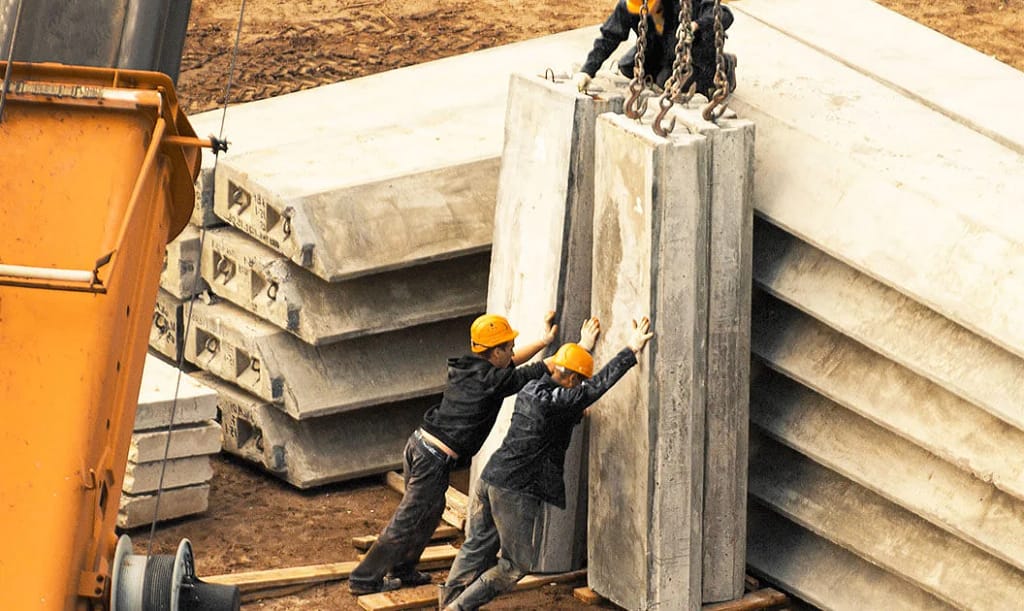
Introduction to Precast Concrete Logistics
Logistics is often described as the “invisible backbone” of precast construction. While design and manufacturing receive most of the attention, transportation is where many projects encounter delays, cost overruns, and quality issues.
According to industry studies, logistics-related disruptions can account for 20–30% of construction schedule delays, particularly on projects involving large prefabricated components. In precast construction, where elements are heavy, oversized, and precision-engineered, the margin for error is extremely small.
Effective precast logistics connects three critical phases:
- Manufacturing readiness – elements are produced to exact tolerances
- Transport execution – elements are moved safely and legally
- Installation sequencing – elements arrive when the crane and crew are ready
When logistics is planned correctly, precast construction delivers on its promise of speed, quality, and predictability. When it is not, even the best precast design can become a liability.
Understanding Precast Concrete Elements
Common Types of Precast Elements
Each type of precast element presents unique logistical challenges. Understanding these differences is the first step in planning safe transport.
- Wall panels – load-bearing or architectural, often tall and thin
- Beams and columns – long spans with high point loads
- Hollow-core slabs – repetitive but weight-sensitive
- Precast stairs and landings – irregular shapes requiring careful rigging
- Architectural façade elements – finished surfaces vulnerable to damage
Each category influences trailer selection, lifting hardware, tie-down methods, and unloading strategy. Treating all precast the same is one of the most common—and costly—mistakes in logistics planning.
Size, Weight, and Fragility Considerations
Unlike bulk construction materials, precast concrete elements are structural components that must arrive in perfect condition. Their size and weight demand special attention:
- Individual pieces often exceed standard highway load limits
- Weight distribution affects trailer axle configuration
- Slender panels are vulnerable to bending stresses during transport
Engineers design precast elements to perform once installed—not necessarily to withstand uncontrolled handling. This is why transport forces, vibration, and dynamic loading must be carefully managed.
Precast Logistics Planning – Before the First Pour
Early Coordination Between Plant, Transport, and Site
The most successful precast projects begin logistics planning during the design phase—not after production starts. Early coordination ensures that manufacturing decisions align with real-world transport constraints.
Key coordination items include:
- Delivery sequence matching erection order
- Crane reach and capacity verification
- Site access routes for oversized loads
- Laydown area limitations
From practical experience, projects that involve logistics teams early experience fewer redesigns, fewer damaged elements, and significantly smoother installations.

Transport Feasibility Studies
Before finalizing element dimensions, a transport feasibility review should be completed. This process evaluates whether components can physically and legally reach the site.
A proper feasibility study assesses:
- Bridge load ratings and weight restrictions
- Overhead clearances (power lines, overpasses)
- Turning radii for trailers
- Municipal transport bylaws
In Canada, overlooking even one of these factors can result in last-minute redesigns, costly permits, or forced night-time deliveries.
In projects where transportation limits are a concern, lightweight precast concrete systems can offer meaningful advantages. By reducing unit weight without compromising performance, these solutions help simplify hauling requirements, lower permit complexity, and expand delivery options for constrained or remote sites.
Just-In-Time (JIT) Delivery Strategy
Just-In-Time delivery is a proven logistics strategy in precast construction. Instead of stockpiling elements on-site, components arrive only when installation crews and cranes are ready.
The benefits of JIT delivery include:
- Reduced on-site congestion
- Lower risk of damage from re-handling
- Improved safety and workflow efficiency
However, JIT delivery demands precise scheduling and reliable transport partners—there is little room for error.
Loading & Handling of Precast Concrete Elements
Lifting and Rigging Systems
Safe transport begins with correct lifting. Precast elements are engineered with embedded lifting devices designed for specific load paths.
Common lifting systems include:
- Cast-in lifting anchors
- Spreader beams to reduce bending stress
- Certified wire rope or synthetic slings
Improper rigging is one of the leading causes of hairline cracking—damage that may not be visible until installation or service life.

Plant Loading Procedures
At the manufacturing plant, loading is treated as a controlled operation, not a routine task. Certified crane operators follow documented procedures that define:
- Lift points and angles
- Element orientation on the trailer
- Sequence for multi-piece loads
For architectural precast, additional surface protection is often applied during loading to preserve finishes.
Quality Control Before Transport
Before any precast element leaves the yard, it should pass a final quality control inspection. This step protects both the manufacturer and the client.
A typical pre-shipment checklist includes:
- Visual inspection for cracks or defects
- Verification of dimensions and embeds
- Confirmation of lifting hardware integrity
- Documentation and element identification
This inspection establishes a clear baseline condition before transport—an essential practice for accountability and trust.
In the next section of this guide, we will dive deeper into transportation methods, load securement, regulatory compliance across Canada, on-site delivery coordination, and risk management strategies that separate average precast suppliers from truly reliable partners.
If you are planning a precast project and want to reduce risk from day one, working with a manufacturer that understands logistics as deeply as production can make all the difference.
Transportation Methods for Precast Concrete
Once precast elements are safely loaded, the next challenge is selecting the correct transportation method. The choice of trailer, axle configuration, and hauling strategy directly affects safety, compliance, and project cost.
Flatbed and Step-Deck Trailers
Flatbed and step-deck trailers are the most commonly used transport solutions for precast concrete. They offer flexibility and accessibility for a wide range of element sizes.
- Flatbed trailers are ideal for beams, slabs, and compact elements.
- Step-deck trailers provide additional height clearance for tall panels.
While versatile, these trailers require precise load placement and securement to prevent shifting during transit—especially over long distances.

Specialized Precast Transport Equipment
For larger or more delicate components, specialized equipment is often required.
- A-frames support wall panels vertically, reducing bending stress.
- Extendable trailers accommodate long-span beams.
- Multi-axle heavy haul systems distribute weight for oversized loads.
Although specialized equipment increases upfront transport cost, it significantly reduces the risk of damage and delays—often saving money overall.
Oversized and Overweight Transport
Many precast elements exceed standard highway limits. In these cases, oversized or overweight transport protocols must be followed.
This typically involves:
- Provincial transport permits
- Escort or pilot vehicles
- Restricted travel times (night or off-peak hours)
Failing to account for these requirements early can stall a project before the first delivery.
Securing & Protecting Precast During Transit
Load Securement Techniques
Proper load securement is not just a best practice—it is a legal requirement. Inadequate securement is a leading cause of transport-related damage.
- Certified chains or straps rated for load weight
- Blocking and bracing to prevent lateral movement
- Strategic tie-down placement to avoid point loading
Securement plans are often engineered for large or irregular elements to ensure forces are evenly distributed.
Preventing Damage and Surface Defects
Architectural and exposed precast elements demand additional protection during transport.
- Edge guards to protect corners
- Soft separators between elements
- Weather covers to prevent staining or freeze damage
Minor surface defects can lead to major rework costs—especially on high-visibility projects.
Common Transport Damage and How to Avoid It
| Common Issue | Primary Cause | Prevention Method |
|---|---|---|
| Hairline cracking | Improper lifting or vibration | Correct rigging and damping |
| Corner breakage | Point loading | Edge protection and bracing |
| Surface staining | Moisture exposure | Weather-resistant covers |
Regulations & Compliance in Canada
Transportation Regulations by Province
Canada’s transport regulations vary by province, making compliance a complex but essential part of precast logistics.
- Maximum axle loads and dimensions differ by jurisdiction
- Seasonal road bans affect delivery timing
- Urban areas often impose additional restrictions
Experienced precast suppliers factor these rules into production and delivery schedules to avoid penalties and delays.
These logistical challenges are closely tied to broader developments shaping precast concrete in Canada, where long transport distances, regional regulations, infrastructure renewal, and labour constraints continue to influence how projects are designed, manufactured, and delivered nationwide.
Oversized deliveries must also align with Canadian heavy haul transport regulations, which vary by province and directly impact routing, timing, and permit approval.
Safety & Compliance Standards
Transport operations must align with occupational health and safety requirements.
- Certified drivers and crane operators
- CSA-compliant lifting devices
- Documented safe work procedures
Compliance is not optional—it protects workers, the public, and the project timeline.
On-Site Delivery & Installation Coordination
Site Readiness Checklist
Even perfectly transported precast elements can be compromised if the site is unprepared.
- Crane capacity and reach confirmed
- Clear access routes for trailers
- Installation crew ready on arrival
Pre-delivery site meetings are a proven way to eliminate surprises.
Delivery Timing & Unloading Protocols
Efficient unloading minimizes risk and downtime.
- Pre-arranged delivery windows
- Direct lift from trailer to final position
- Clear communication between driver and site supervisor
When delivery and installation are synchronized, projects move faster and safer.
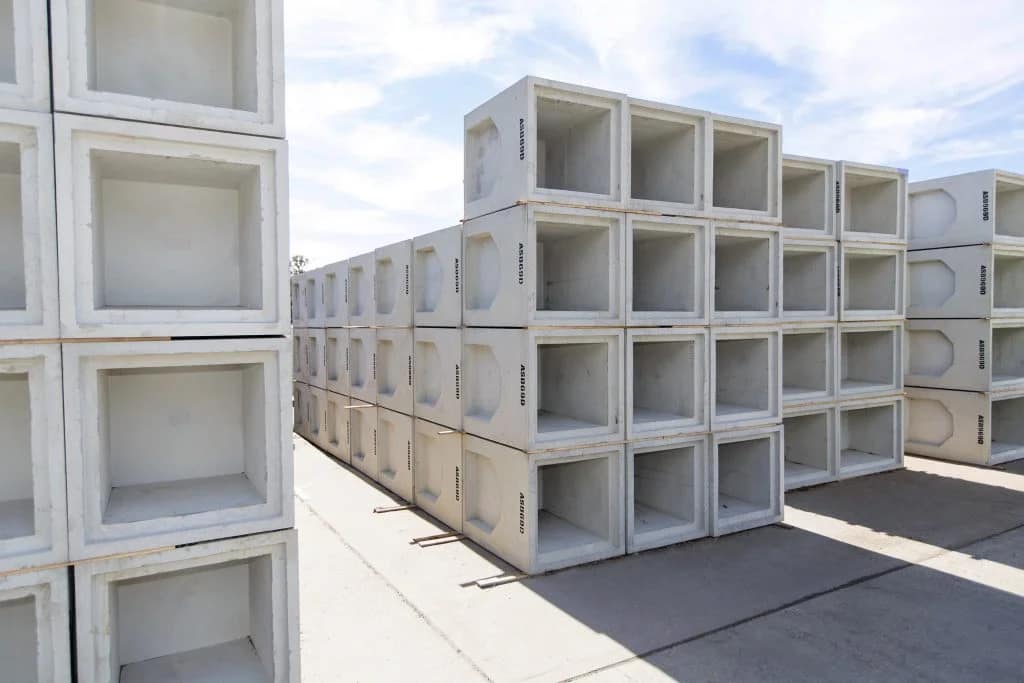
Risk Management in Precast Logistics
Weather-Related Risks
Canadian weather adds another layer of complexity to precast transport.
- Cold temperatures affect handling and surfaces
- Wind impacts crane operations
- Freeze-thaw cycles can cause surface distress
Seasonal planning and protective measures are essential.
Contingency Planning
Professional logistics planning always includes a backup plan.
- Alternate delivery routes
- Spare lifting hardware
- Emergency response procedures
Preparedness is what separates experienced precast partners from the rest.
According to the Canadian precast concrete industry, transportation planning remains one of the most influential factors affecting schedule certainty and long-term project performance.
Many logistics failures stem from avoidable planning gaps. Understanding the challenges of precast concrete such as underestimating transport forces, overlooking permit requirements, or mismatching element size to site access—is essential to preventing costly redesigns and on-site delays.
Cost Factors in Precast Transport
Key Cost Drivers
- Distance and fuel consumption
- Specialized trailers and escorts
- Permits and regulatory fees
How Smart Logistics Reduce Total Project Cost
While logistics may appear as a line item, it has a ripple effect across the entire project.
- Fewer delays and rework
- Reduced damage claims
- Shorter installation durations
In many cases, investing in better logistics saves more than it costs.
Sustainability & Efficiency in Precast Logistics
Reducing Carbon Footprint
Efficient logistics also support sustainability goals.
- Route optimization reduces fuel use
- Full-load planning minimizes trips
- Local manufacturing shortens haul distances
Digital Logistics & Tracking
Modern precast operations increasingly rely on digital tools.
- GPS-enabled delivery tracking
- Real-time schedule updates
- Integrated logistics documentation
Why Logistics Expertise Matters When Choosing a Precast Supplier
Manufacturing Alone Is Not Enough
A precast supplier may produce high-quality elements—but without logistics expertise, those elements may never reach the site in usable condition.
Omega Precast’s End-to-End Logistics Approach
Omega Precast integrates manufacturing, quality control, and logistics planning into one coordinated process. This approach reduces risk, improves predictability, and delivers consistent results across Canada.
Frequently Asked Questions (FAQ)
How far can precast concrete be transported safely?
With proper planning and equipment, precast elements can be transported hundreds of kilometers without damage.
What happens if a precast element is damaged in transit?
Documented inspections and clear responsibility frameworks allow for fast resolution and minimal disruption.
Who is responsible for transport permits?
In most cases, the precast supplier coordinates permits as part of the logistics plan.
Can precast be delivered year-round in Canada?
Yes—provided weather conditions and handling procedures are properly managed.
How early should logistics planning start?
Ideally during the design phase, before element dimensions are finalized.
Getting Precast Logistics Right
Logistics and transport are not secondary concerns in precast construction—they are central to quality, safety, and project success. From early planning and proper equipment selection to regulatory compliance and site coordination, every step matters.
When logistics is done right, precast delivers on its promise: faster schedules, higher quality, and predictable outcomes.
Planning a precast project? Contact Omega Precast to work with a team that understands not only how to manufacture precast—but how to deliver it safely and reliably anywhere in Canada.