
Last updated: August 5, 2026
Modern precast concrete innovations span BIM-driven design, automated casting, high-strength and lightweight mixes, insulated panels, and embedded sensors. These technologies push precast beyond speed and consistency toward smarter, greener, higher-performing structures — helping builders and municipalities meet tighter timelines and sustainability targets.
This is where innovations in precast concrete are changing the game. Modern precast is no longer just about speed and consistency. Across Canada and around the world, builders, engineers, and municipalities are under growing pressure to deliver structures that are faster to build, longer-lasting, more sustainable, and smarter to manage over their entire lifecycle. Traditional construction methods—especially cast-in-place concrete—are struggling to keep up with these demands.
This is where innovations in precast concrete are changing the game. Modern precast is no longer just about speed and consistency. Today’s precast systems integrate smart technologies, advanced manufacturing, and data-driven design to create infrastructure and buildings that actively perform, adapt, and communicate over time.
At Omega Precast, we see this shift firsthand. As a precast concrete manufacturer serving projects across Canada, we work with builders and developers who want solutions that go beyond strength alone—solutions that reduce risk, improve long-term value, and align with the future of construction. This article explores how smart systems and emerging trends are reshaping the precast concrete industry and what that means for decision-makers today.
The Evolution of Innovations in Precast Concrete Technology

Precast concrete has always been about control. By producing concrete elements in a controlled environment, manufacturers can achieve higher quality, faster timelines, and more predictable outcomes than on-site construction. However, the role of precast has expanded dramatically over the past two decades.
From Traditional Precast to Intelligent Systems
In its early stages, precast concrete focused on standardized structural components—walls, beams, columns, stairs, and panels—designed primarily for efficiency and repeatability. These systems solved problems related to weather delays, labour availability, and inconsistent quality.
These advancements highlight how innovations in precast concrete are transforming structural components from passive elements into intelligent systems that actively support long-term performance, monitoring, and asset management.
Today, the expectations are much higher. Precast elements are now designed to be part of intelligent building and infrastructure systems. Instead of acting as passive structural components, modern precast can actively contribute to:
- Structural health monitoring
- Energy efficiency and thermal performance
- Lifecycle cost reduction
- Data-driven maintenance planning
This shift reflects a broader industry move toward performance-based construction, where success is measured not just by how fast a project is built, but by how well it performs over decades of use.
Key Drivers of Innovation in Precast Concrete
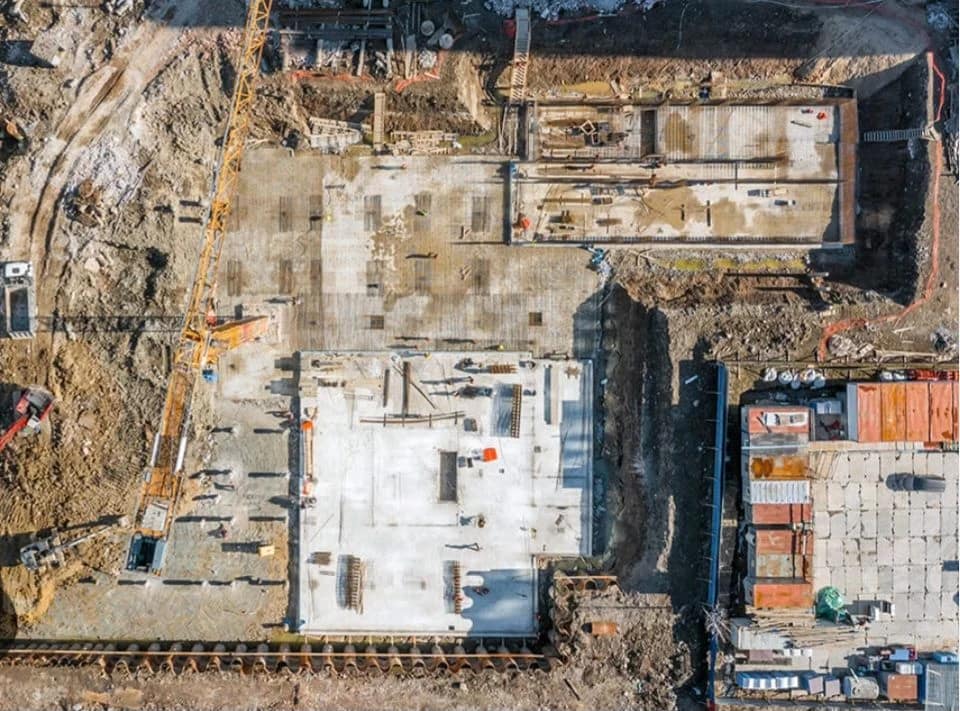
Several powerful forces are accelerating innovation in the precast concrete sector:
- Urbanization and infrastructure renewal: Aging bridges, roads, and utilities across Canada require durable, scalable solutions.
- Labour shortages: Automated precast manufacturing reduces reliance on on-site labour.
- Sustainability targets: Governments and developers are prioritizing low-carbon, long-life materials.
- Smart city development: Cities demand infrastructure that can collect data and support intelligent systems.
According to the Canadian Precast/Prestressed Concrete Institute (CPCI), innovations in precast concrete are accelerating the adoption of smart infrastructure systems across Canada, precast concrete can reduce construction schedules by up to 30–50% compared to traditional methods, while significantly improving quality control. These advantages form the foundation upon which smart precast systems are now being built.
Smart Precast Concrete Systems Explained

Smart systems represent one of the most impactful innovations in precast concrete, allowing structures to deliver data-driven insights throughout their service life. One of the most exciting innovations in precast concrete is the integration of smart systems directly into precast components. These technologies are redefining what concrete can do and how it supports long-term asset management.
What Is Smart Precast Concrete?
Smart precast concrete refers to precast elements that incorporate embedded technologies—such as sensors, data collection devices, or advanced materials—to monitor performance, environmental conditions, or structural behavior over time.
Unlike traditional concrete, which remains silent once installed, smart precast components can provide valuable insights throughout their service life. This transforms concrete from a static material into an active participant in infrastructure and building management.
In practical terms, smart precast systems allow owners and operators to move from reactive maintenance to proactive decision-making, reducing unexpected failures and extending service life.
Embedded Sensors and IoT Integration
One of the most widely adopted smart precast innovations is the use of embedded sensors connected through Internet of Things (IoT) platforms. These sensors are cast directly into precast elements during manufacturing, ensuring protection and long-term reliability.
Common monitoring capabilities include:
- Temperature and moisture tracking during curing and service life
- Load and strain measurement to detect structural stress
- Crack initiation and movement monitoring
- Environmental exposure tracking in harsh climates
For example, precast bridge components with embedded sensors can continuously report data on load cycles and thermal expansion. This data helps engineers plan maintenance before visible damage occurs—saving time, money, and potential safety risks.
As one infrastructure engineering study noted, predictive monitoring systems can reduce long-term maintenance costs by up to 20–25% compared to traditional inspection-based approaches.
Smart Pavements and Intelligent Infrastructure
Smart pavement systems are another powerful example of how innovations in precast concrete are shaping the future. These systems use precast panels integrated with sensors and conductive materials to support:
- Traffic monitoring and load analysis
- Temperature-based icing detection
- Energy harvesting and embedded heating systems
Because precast pavement panels are manufactured off-site under strict quality controls, they offer superior durability and precision compared to cast-in-place roadways. When combined with smart technologies, they provide municipalities with real-time data that improves safety and reduces lifecycle costs.
In regions with extreme freeze-thaw cycles—such as many parts of Canada—smart precast pavements can significantly extend service life by identifying early signs of distress and enabling timely interventions.
These systems represent a shift away from “build and repair” toward “build, monitor, and optimize”—a philosophy that is rapidly becoming the standard for modern infrastructure.
As these innovations in precast concrete continue to evolve, precast systems are becoming essential to the future of sustainable, intelligent construction across Canada.
Up next in the second half: automation and AI in precast manufacturing, sustainability innovations, smart cities, future industry trends, FAQs, and how Omega Precast delivers future-ready precast solutions across Canada.