
Last updated: August 5, 2026
Precast concrete panels are installed by preparing the foundation and connections, lifting each panel into position with a crane, aligning and bracing it, then securing the structural connections and sealing the joints. Because panels arrive finished, installation is fast, predictable, and far less weather-dependent than on-site pours.
Precast concrete panels have become one of the most popular building solutions in commercial, industrial, and large-scale infrastructure projects across Canada. Their unmatched durability, consistent quality, and fast installation make them a preferred choice for contractors and developers looking to speed up project timelines without compromising structural integrity.
However, even the best-manufactured precast panels can fail if they’re not installed correctly. From crane positioning to bracing techniques, every step must follow strict engineering guidelines and safety practices. In this guide, you’ll learn exactly how to install precast concrete panels safely, efficiently, and according to industry standards—based on real field experience and expert installation methods used by professional crews at Omegaprecast. Learning how to install precast concrete panel correctly is essential to ensure safety, accuracy, and long-term performance on any jobsite.
Whether you’re a contractor, site supervisor, or engineer, this step-by-step breakdown will help you understand what’s required for a smooth, safe, and compliant installation.
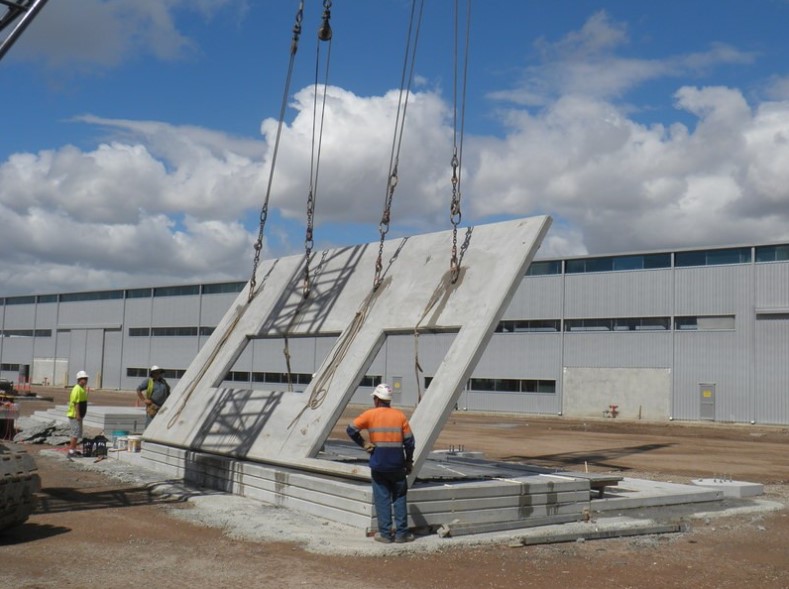
Understanding Precast Concrete Panels
Before diving into installation methods, it’s important to understand what precast concrete panels are and why they play such a crucial role in modern construction. Precast panels are concrete elements manufactured in a controlled facility, allowing for superior quality control, faster curing, and consistent production standards compared to on-site pours.
Why Precast Panels Are Widely Used
The popularity of precast panels continues to grow because they offer several project-level advantages:
- Speed of installation: Panels arrive ready to install, drastically reducing time on site.
- Durability: High-strength concrete produced in factory conditions ensures long-term structural performance.
- Higher quality control: Controlled curing and manufacturing reduce defects and improve consistency.
- Reduced labour dependency: Fewer workers are needed on-site, helping avoid delays caused by labour shortages.
According to the Canadian Precast/Prestressed Concrete Institute (CPCI), using precast systems can shorten project schedules by up to 30–40% in certain building types.
Types of Precast Panels Used in Canada
Depending on the building’s design and performance needs, contractors may work with several types of precast panels:
- Solid wall panels: Simple, durable, cost-effective panels for industrial and commercial projects.
- Insulated sandwich panels: Energy-efficient systems with built-in insulation (ideal for cold Canadian climates).
- Load-bearing panels: Designed to carry structural loads as part of the building frame.
- Non-load-bearing cladding panels: Primarily used for aesthetics and enclosure.

Key Components Required During Installation
Successful precast installation requires more than just the panels themselves. Essential components include:
- Lifting anchors: Embedded steel hardware used for safe crane lifting.
- Rigging equipment: Slings, shackles, spreader bars, and tag lines.
- Weld plates & connectors: For structural ties to foundations and adjacent panels.
- Temporary bracing systems: Stabilize panels until final structural connections are completed.
- Grout and sealants: For base leveling, joints, and weatherproofing.
Each element must meet engineering requirements and be inspected before use. A single misaligned embed or damaged brace can compromise the entire structure.
Pre-Installation Requirements
Before you install precast concrete panel on any project, the site preparation and foundation alignment must meet engineering tolerances.
Proper planning and preparation determine the success of any precast concrete panel installation. Before the crane even arrives, contractors must ensure that the site, foundations, equipment, and erection plans are 100% ready. This not only improves efficiency but significantly reduces on-site risks.
Site Preparation
A well-prepared site ensures smooth panel delivery, lifting, and installation. Key considerations include:
- Clear access roads for transport trucks and cranes.
- Stable ground bearing capacity to support crane operations.
- Designated staging areas for unloading and organizing panels in erection sequence.
- Hazard removal: Overhead wires, uneven surfaces, and obstacles must be addressed beforehand.
Real-world example: On large warehouse projects, Omegaprecast crews often designate two staging zones—one near the crane and one secondary buffer—to avoid downtime and ensure continuous lifting.
Foundation & Embed Accuracy
Before installing any precast panel, the foundation must meet engineering tolerances set by CSA and PCI standards. Installers must verify:
- Anchor locations match shop drawings.
- Levelness of the footing to avoid panel tilt during placement.
- Embed plates are aligned and undamaged.
- Elevation accuracy is within ±5 mm (depending on project specs).
Poor foundation alignment is one of the top causes of installation delays and costly rework.
Reviewing Shop Drawings & Erection Plans
Every panel is uniquely numbered and designed to fit precisely in a specific sequence. Before installation begins, the team must review:
- Panel numbering maps for proper order.
- Crane charts showing load radius and lifting capacity.
- Rigging requirements based on anchor type and panel weight.
- Connection details including weld plates, grouting pockets, and joint widths.

This step is critical—one incorrect panel placement can disrupt the entire sequence.
Safety Planning
According to WorkSafe guidelines, precast panel installation is classified as high-risk construction work. Therefore, safety planning must include:
- Daily toolbox meetings reviewing lift plans.
- Exclusion zones around crane swing radius.
- Weather monitoring: wind speeds above 24–30 km/h can halt lifting operations.
- PPE requirements for all personnel.
- Emergency procedures for equipment failure or instability.
WorkSafe ACT reports that inadequate bracing and poor communication are the leading causes of precast installation accidents—making proper planning essential.
Step-by-Step: How to Install Precast Concrete Panels
This section breaks down the installation process used by professional precast crews. Each step must be followed carefully to ensure structural stability, safety, and compliance with engineering design.
Step 1 — Positioning the Crane
Proper crane positioning is one of the most important factors when you install precast concrete panel safely and efficiently.
Crane setup is one of the most critical elements of precast installation. Before lifting begins, crews must assess:
- Ground bearing capacity to prevent crane sinkage.
- Swing radius to avoid site obstructions.
- Lifting distance based on panel weight and crane capacity.
- Outrigger placement for maximum stability.
Expert installers prefer placing the crane in a “sweet spot” that minimizes repositioning, saving up to several hours per day on large projects.

Step 2 — Receiving & Staging the Panels
Efficient staging reduces unnecessary handling and prevents damage. Panels should be unloaded in the exact order they will be installed.
Key guidelines include:
- Place panels on padded supports to avoid chipping.
- Keep identification labels visible for quick verification.
- Create enough spacing for rigging crews to work safely.
Improper staging can create bottlenecks, forcing the crane to wait—which significantly increases rental costs.
Step 3 — Rigging the Panel
Proper rigging ensures safe lifting and prevents panel cracking. Installers must follow anchor manufacturer instructions and engineering load charts.
- Use certified slings and shackles appropriate for the load.
- Check anchor integrity before applying tension.
- Maintain correct sling angles (typically 60–90 degrees).
- Use tag lines to control panel rotation.

This step requires experienced personnel—improper rigging is one of the leading causes of precast lifting incidents.
Step 4 — Hoisting & Setting the Panel
Once the panel is rigged and inspected, the crane operator begins the lift under the direction of a certified signaler. This phase requires slow, controlled movement to prevent overload, swinging, or rotational instability.
Best practices during hoisting include:
- Lift the panel vertically first to avoid side loading on the anchors.
- Maintain steady communication between the signaler, riggers, and crane operator.
- Guide the panel with tag lines to keep it oriented correctly during rotation and travel.
- Align with footing and embeds before final placement to minimize micro-adjustments.
Experienced installers often say, “The panel should never fight you.” Smooth guiding and precise communication significantly reduce the risk of stress cracks during this phase.
Step 5 — Installing Temporary Bracing
Temporary bracing provides stability until the panel is permanently connected. Industry standards such as those from WorkSafe, PCI, and CSA mandate specific brace angles, anchor capacities, and load requirements.
Key bracing guidelines include:
- Maintain a bracing angle between 45°–60° for optimal stability.
- Use engineered, certified brace anchors—never substitute unapproved hardware.
- Verify brace tension to ensure the panel remains plumb.
- Anchor braces to stable concrete or engineered ground plates rather than loose soil.
Improper bracing is the leading cause of precast panel collapse during construction. This is why professional crews perform regular brace checks throughout the day, especially during windy conditions.
Step 6 — Welding & Final Connections
After the panel is set and braced, crews begin connecting it to adjacent panels or foundations via weld plates or bolted connectors. These permanent connections ensure long-term stability and structural performance.
Important considerations:
- Ensure embed plates align before welding begins.
- Complete welds according to engineering specifications and approved welding procedures.
- Inspect weld quality for cracks, voids, or incomplete fusion.
- Document all connections as part of the QA/QC process.
Typical weld inspections follow CSA W59 structural welding standards. Once approved, bracing can be gradually removed following the engineer’s direction.
Step 7 — Grouting & Finishing
Grouting seals the base of the panel and ensures uniform load transfer. Proper grouting is essential for long-term durability and water protection.
Best practices include:
- Use non-shrink, high-strength grout specifically designed for precast applications.
- Clean all debris at the base before applying grout.
- Fill all gaps to ensure even bearing.
- Allow adequate curing time before loading the panel.
Final finishing tasks may include joint sealants, insulation installation (for sandwich panels), and aesthetic treatments depending on project needs.
Best Practices for Safe & Efficient Installation
When crews install precast concrete panel on large commercial sites, following a defined erection sequence greatly reduces errors and rework.
Following best practices prevents delays, rework, and safety hazards. These recommendations come directly from the experience of professional precast installation teams working on commercial and industrial projects.
Follow a Defined Erection Sequence
A proper erection sequence ensures panels lock together safely and efficiently. Most sites use a clockwise or counter-clockwise rotation depending on building layout. Installing panels out of sequence may lead to:
- Misalignment with structural connections
- Panels blocking crane access
- Increased risk of instability
Use Certified Rigging Equipment Only
All slings, shackles, spreader bars, and lifting devices must be certified, tagged, and inspected regularly. As per WorkSafe and CSA guidelines, any damaged or untagged gear must be removed immediately.
Maintain Clear Communication
Communication is one of the most underrated components of precast installation. Crews should use:
- Hand signals by a certified signaler
- Two-way radios for long-distance control
- A standardized communication protocol to avoid confusion
Monitor Weather Conditions
Wind is the single greatest environmental risk factor. Even a light breeze can cause a large panel to sway during a lift. Typical wind speed limits for precast installation are:
- Above 24–30 km/h: Lifting operations may pause
- Above 40 km/h: All lifting must stop
Extreme cold or heat also impacts curing times and material behavior, so continuous weather monitoring is crucial.
Common Installation Mistakes to Avoid
Many issues occur when workers attempt to install precast concrete panel without proper rigging angles or bracing procedures.
Even experienced installers can face issues when procedures aren’t followed. Below are the most common mistakes seen on construction sites.
Incorrect Rigging Angle
Rigging at improper sling angles increases anchor loads and may crack the panel. Always follow manufacturer load charts and use spreader bars when necessary.
Poor Bracing Practices
Using incorrect brace angles, loose connections, or non-engineered anchors significantly increases the risk of collapse. Proper engineering and daily inspections prevent these failures.
Misalignment of Embed Plates
Once a panel is lowered into position, correcting misaligned embeds is extremely difficult. This often leads to:
- Welding inconsistencies
- Costly rework
- Project delays
Inadequate Site Control
Allowing unexplained foot traffic within the crane and panel installation zone is a major safety hazard. Strict exclusion zones must be maintained and enforced.
QA/QC Checklist for Precast Panel Installation
This quality checklist ensures proper installation, prevents rework, and improves long-term structural performance.
Before Lifting
- Inspect lifting anchors for damage
- Verify correct panel number and orientation
- Check rigging equipment certification
- Confirm foundation embeds match drawings
During Installation
- Monitor plumbness throughout the lift
- Ensure braces are installed immediately
- Check weld alignment before starting
- Communicate any unexpected movement immediately
After Installation
- Inspect all welds for compliance
- Verify grout filling and curing
- Re-check panel plumbness after brace removal
- Document all completed connections
When to Hire a Professional Precast Installation Team
Not all construction crews have the training or equipment required to safely install precast concrete panels. Hiring a specialized precast team is especially important in the following scenarios:
Complex Structures or Large Buildings
Industrial plants, multi-storey facilities, and complex warehouse layouts require expert precision, crane coordination, and advanced bracing knowledge.
When Project Deadlines Are Tight
Specialized precast crews can complete erection significantly faster due to experience, proper sequencing, and efficient staging methods.
Benefits of Working With Omegaprecast
- Canada-wide precast installation teams
- Modern lifting equipment and certified rigging gear
- Highly trained installers with years of field experience
- Strict adherence to CSA, PCI, and WorkSafe standards
By partnering with Omegaprecast, you reduce risk, speed up installation, and ensure every panel is installed with precision.
Frequently Asked Questions (FAQ)
How long does precast panel installation take?
Most projects can install between 10–25 panels per day depending on crane size, panel weight, crew experience, and site conditions.
Can precast panels be installed in winter?
Yes. Precast can be installed year-round in Canada, but contractors must follow cold-weather lifting and grouting procedures.
What equipment is needed?
Typically a mobile crane, certified rigging gear, lifting anchors, temporary bracing, welding tools, and grout materials.
What tolerances should be checked?
Plumbness, alignment, embed location, grout level, and weld quality—based on engineering specifications.
Conclusion
Installing precast concrete panels requires a combination of technical expertise, precise planning, and rigorous safety protocols. When executed correctly, precast installation offers unmatched efficiency, durability, and structural reliability. By following the best practices outlined in this guide, your team can reduce risks, prevent rework, and deliver projects faster.
For builders across Canada, partnering with experienced professionals like Omega precast ensures every panel is manufactured, delivered, and installed with the highest level of accuracy and care.
By following the techniques in this guide, your team can install precast concrete panel with greater safety, precision, and speed.
Get a Quote
Looking for reliable precast concrete installation services in Canada? Contact Omegaprecast today to get expert support for your next project.