
Last updated: August 4, 2026
Precast concrete is widely used in Calgary because factory-cast elements install fast and avoid cold-weather pouring delays. From foundations and stairs to wall panels and custom structures, precast gives Calgary builders predictable schedules, consistent quality, and durable performance in the city’s demanding freeze-thaw climate.
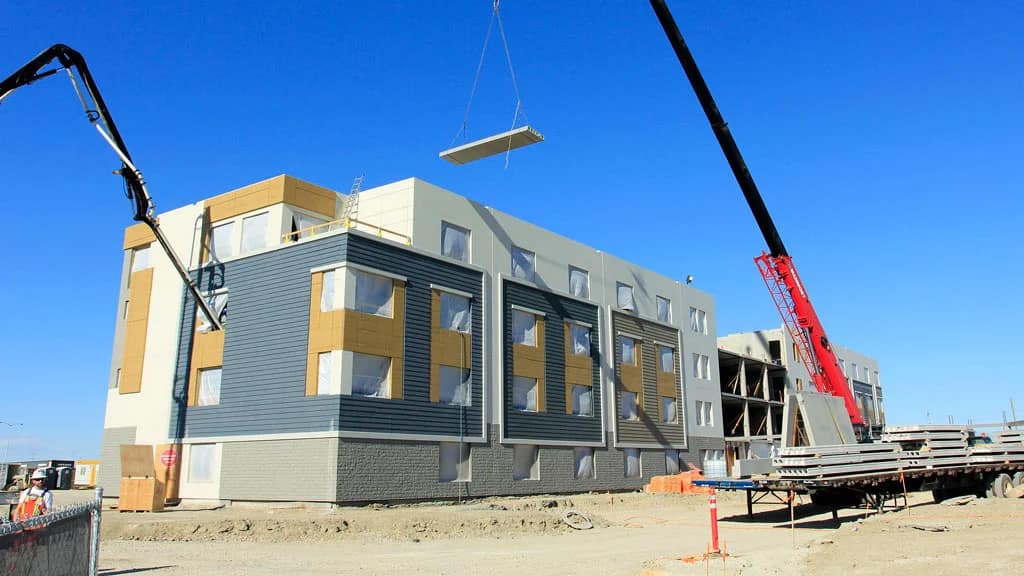
Calgary’s construction industry is under constant pressure to build faster, safer, and more efficiently—often in challenging weather conditions and tight labour markets. For builders and developers trying to stay competitive, traditional cast-in-place concrete methods don’t always keep up with modern project demands. That’s where precast concrete in Calgary is quickly becoming a preferred solution.
From residential developments to large-scale commercial and infrastructure projects, precast concrete in Calgaray offers predictable timelines, consistent quality, and year-round production advantages. This local guide is designed to help Calgary builders and developers understand what precast concrete is, how it compares to poured concrete, and why it’s playing a growing role in Alberta’s construction landscape.
Why Precast Concrete Is Growing Fast in Calgary
Over the last decade, Calgary has seen significant growth in multi-family housing, industrial facilities, and mixed-use developments. At the same time, construction companies are facing labour shortages, tighter schedules, and increasing material costs.
Precast concrete in Calgary directly addresses these challenges by shifting much of the work from the jobsite to a controlled manufacturing environment. Instead of forming, pouring, and curing concrete outdoors—often delayed by weather—precast elements are produced off-site and delivered ready to install.
According to industry data from the Canadian Precast/Prestressed Concrete Institute (CPCI), projects using precast systems can reduce on-site construction time by 30–50% compared to traditional cast-in-place methods. In a climate like Calgary’s, where winter conditions can stall progress for months, that time savings translates directly into cost control and reduced risk.
For developers, this means faster occupancy. For builders, it means tighter schedules, fewer trades on site, and more predictable outcomes.
What Is Precast Concrete? And How It Differs from Cast-in-Place
Definition of Precast Concrete
Precast concrete in Calgary is concrete that is cast, cured, and quality-checked in a manufacturing facility before being transported to the construction site. Elements are produced using reusable molds, engineered reinforcement, and controlled curing conditions to ensure consistent strength and dimensional accuracy.
Common precast products used in Calgary include structural wall panels, columns, beams, stairs, landings, foundations, and architectural façade elements. Once delivered to site, these components are lifted into place using cranes and secured according to engineered connection details.
Precast vs Cast-in-Place Concrete
While both precast and cast-in-place concrete rely on similar raw materials, the process and project impact are very different.
| Factor | Precast Concrete | Cast-in-Place Concrete |
|---|---|---|
| Production Environment | Controlled manufacturing facility | Outdoor jobsite conditions |
| Weather Dependency | Minimal | High |
| Quality Consistency | Very high | Variable |
| On-Site Labour | Low | High |
| Construction Speed | Fast installation | Slower due to curing time |
For Calgary builders, the biggest difference often comes down to schedule certainty. Precast allows site work and concrete manufacturing to happen simultaneously, reducing the critical path and minimizing costly delays.
Why Builders and Developers in Calgary Choose Precast Concrete
Faster Construction Timelines
Time is one of the most valuable resources on any construction project. With precast concrete in Calgary, foundations, structural elements, or stairs can be manufactured while excavation, utilities, and site preparation are underway.
This parallel workflow significantly shortens overall project duration. For example, multi-unit residential projects often shave weeks—sometimes months—off their schedules by using precast structural and architectural components.
Consistent Quality and Precision
Because precast concrete in Calgary is produced in a controlled environment, quality control is far superior to on-site pours. Variables like temperature, moisture, and curing time are carefully monitored, resulting in uniform strength and clean finishes.
For developers concerned about long-term performance, this consistency reduces cracking, surface defects, and costly warranty issues down the line.
Cold-Weather Advantage in Alberta
Calgary’s winters are one of the biggest challenges for cast-in-place concrete. Cold temperatures often require heating, hoarding, additives, and schedule adjustments—all of which increase costs.
Precast concrete in Calgary eliminates most of these weather-related issues. Components are produced indoors year-round, allowing projects to continue moving forward even during harsh winter months.
Reduced Site Labour and Safety Risk
Precast construction reduces the number of trades required on site. There’s less forming, less finishing, and fewer hours exposed to jobsite hazards.
This streamlined approach not only improves safety outcomes but also helps builders manage labour shortages more effectively—an increasingly important factor in Calgary’s construction market.
Common Precast Concrete Products Used in Calgary
Structural Precast Elements
Structural precast components are widely used in commercial, industrial, and multi-residential construction. These include load-bearing wall panels, beams, columns, and floor systems designed to meet specific engineering requirements.
These systems provide strength, durability, and rapid assembly—making them ideal for warehouses, parkades, and mid-rise buildings.
Architectural Precast Concrete in Calgary
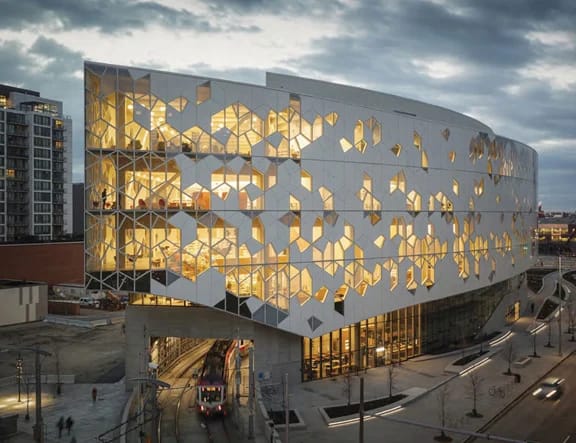
Architectural precast combines structural performance with aesthetic flexibility. Panels can be customized with textures, colours, and finishes that align with an architect’s vision while maintaining the durability of concrete.
In Calgary, architectural precast is commonly used for commercial façades, institutional buildings, and branded developments where appearance matters as much as performance.
Residential and Commercial Precast Components
For residential and light commercial projects, precast products often include:
- Precast stairs and landings
- Window wells
- Foundation panels
- Retaining walls
These components improve build quality, speed up installation, and deliver consistent results across multiple units—especially valuable for developers managing repeatable designs.
Precast Concrete for Residential Projects in Calgary
Precast Stairs, Landings, and Entry Systems
Precast stairs are one of the most common applications in Calgary’s residential market. Unlike site-formed stairs, precast units arrive ready to install with precise rise and run dimensions.
This not only speeds up framing and finishing but also improves safety and long-term durability—especially in freeze-thaw environments.
Precast Foundations and Basement Components
Precast foundation systems offer excellent dimensional accuracy and fast installation times. Builders can enclose a structure much sooner, allowing interior work to begin earlier in the schedule.
For Calgary homeowners, this often means better moisture control, improved insulation integration, and reduced construction delays.
Custom Precast Solutions for Home Builders
Modern precast manufacturing allows for a high degree of customization. From unique stair profiles to decorative panels and integrated features, precast concrete in Calgary can be tailored to match both functional and architectural needs.
For builders focused on differentiation and long-term quality, custom precast solutions provide a strong competitive edge.
Up next: we’ll dive into precast concrete in Calgary for commercial and industrial projects, cost considerations in Calgary, code requirements, and how to choose the right precast supplier for your build.
Precast Concrete for Commercial and Industrial Projects in Calgary
Large-Scale Structural Systems
For commercial and industrial developments across Calgary, precast concrete offers structural reliability combined with speed. Warehouses, distribution centres, manufacturing plants, and parkades often rely on precast wall panels, columns, and beams to meet demanding load requirements while keeping schedules tight.
Because these elements are engineered and produced off-site, installation can happen rapidly once foundations are ready. In many cases, entire building shells can be erected in a matter of days rather than weeks. This accelerated enclosure allows interior trades to mobilize sooner, reducing overall project duration.
Multi-Unit Residential and Mixed-Use Developments
Multi-family residential projects benefit heavily from the repeatability of precast concrete. Identical wall panels, stair units, and floor systems can be manufactured at scale with consistent quality across every unit.
For developers, this consistency translates into predictable costs, fewer deficiencies, and smoother inspections. For builders, it means less rework and fewer coordination issues between trades.
Municipal and Infrastructure Applications
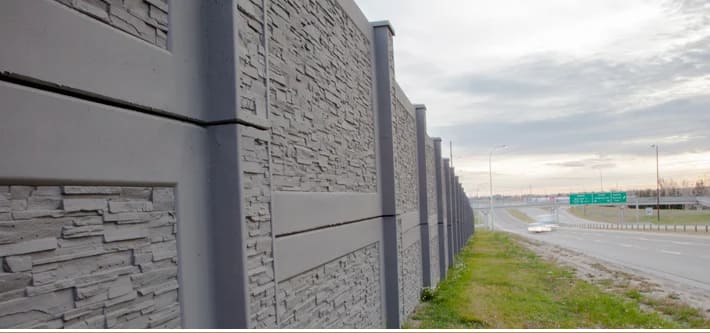
Municipal and infrastructure projects in and around Calgary often specify precast concrete for its durability and long service life. Applications include retaining walls, utility structures, sound walls, and public facility components.
With proper design and installation, precast elements can deliver decades of performance with minimal maintenance—an important consideration for public agencies managing long-term budgets.
Precast Concrete Cost in Calgary: What Builders Should Expect
Key Factors That Influence Cost
The cost of precast concrete in Calgary depends on several variables. While precast may appear more expensive upfront compared to cast-in-place concrete, the total project cost often tells a different story.
- Project size and repetition of elements
- Complexity of design and reinforcement
- Transportation distance and crane requirements
- Installation sequencing and site access
Projects with repeated elements and clear logistics typically see the greatest cost efficiency.
Precast vs Cast-in-Place: Total Cost Perspective
When evaluating cost, experienced builders look beyond material pricing alone. Schedule certainty, reduced labour hours, and fewer weather delays all contribute to lower overall risk.
| Cost Consideration | Precast Concrete | Cast-in-Place Concrete |
|---|---|---|
| On-site labour | Lower | Higher |
| Weather delays | Minimal | Common |
| Rework risk | Low | Moderate to high |
| Schedule predictability | High | Variable |
For many Calgary projects, precast concrete delivers better value when viewed through a full project lifecycle lens.
Design, Engineering, and Code Considerations in Calgary
Alberta Building Code and CSA Standards
All precast concrete systems used in Calgary must comply with the Alberta Building Code and applicable CSA standards. This includes structural performance, fire resistance ratings, and durability requirements.
Working with an experienced precast manufacturer ensures that shop drawings, reinforcement details, and connection designs align with local regulations from the outset.
Early Coordination with Engineers and Architects
Precast performs best when it is integrated early in the design process. Early coordination allows engineers and architects to optimize layouts, connection details, and lifting points—reducing costly revisions later.
This collaborative approach often results in cleaner designs, faster approvals, and smoother installation.
Transportation and Installation Planning
Because precast elements are manufactured off-site, logistics play an important role. Proper planning accounts for truck access, crane capacity, and staging areas.
In dense urban Calgary projects, this level of planning can make the difference between a smooth install and costly downtime.
From Design to Install: How Precast Concrete Is Manufactured
Design Development and Shop Drawings
The process begins with detailed shop drawings based on architectural and structural plans. These drawings outline dimensions, reinforcement, lifting points, and connection details for approval.
Manufacturing and Quality Control
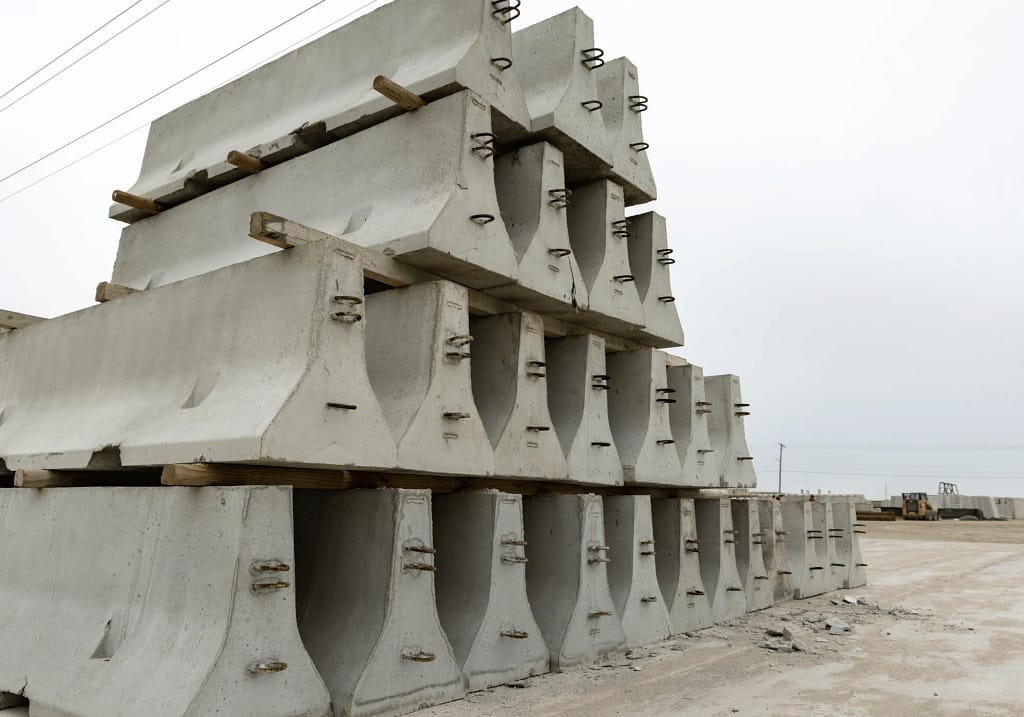
Once approved, elements are cast in a controlled facility using engineered molds and reinforcement. Quality control checks ensure strength, finish, and dimensional accuracy meet specifications.
Delivery and On-Site Installation
Finished components are transported to site and installed using cranes. Because pieces arrive ready to place, installation is fast and efficient with minimal disruption.
How to Choose the Right Precast Concrete Supplier in Calgary
What Builders Should Look For
- Proven experience with similar project types
- Strong quality assurance processes
- Reliable production capacity and lead times
- Clear communication and project support
Questions Worth Asking
Before selecting a supplier, builders should ask about lead times, customization options, delivery coordination, and after-installation support.
Why Local Manufacturing Matters
A Calgary-focused precast manufacturer understands local conditions, codes, and logistics. This local knowledge often translates into faster response times and fewer surprises.
Why Builders Across Alberta Choose Omega Precast
Omega Precast provides professional precast concrete manufacturing services for projects across Calgary and throughout Canada. With modern equipment, experienced technicians, and a builder-first mindset, Omega Precast delivers consistent quality and dependable timelines.
From residential stairs to complex commercial systems, the focus remains the same: precision manufacturing, responsive service, and long-term performance.
Frequently Asked Questions About Precast Concrete in Calgary
Is precast concrete more expensive than poured concrete?
While upfront material costs may be higher, precast often reduces total project costs through faster schedules, lower labour requirements, and fewer delays.
How long does precast manufacturing take?
Lead times vary by project size and complexity, but early planning allows production to align with site schedules.
Can precast concrete be customized?
Yes. Precast can be tailored for structural requirements, finishes, and architectural details.
Is precast suitable for Calgary’s climate?
Absolutely. Precast performs exceptionally well in freeze-thaw environments and supports year-round construction.
Do you serve projects outside Calgary?
Yes. Omega Precast supports projects across Alberta and throughout Canada.
Conclusion: Building Faster and Smarter with Precast Concrete
Precast concrete has become a strategic advantage for builders and developers in Calgary. Its speed, consistency, and weather resilience make it a reliable choice in a demanding construction environment.
By partnering with an experienced precast manufacturer, projects can move faster, reduce risk, and deliver long-term value.
Talk to a Precast Concrete Expert
If you’re planning a residential, commercial, or industrial project in Calgary, precast concrete may be the solution that keeps your build on schedule and on budget.
Contact Omega Precast today to discuss your project, request pricing, or explore custom precast solutions tailored to your needs.